Resource agencies at the state and federal level review the skills, experience, and qualifications of each individual biologist prior to authorizing activities that would constitute a “take” of a listed species, as defined in state and federal endangered species law. Such activities include manipulating, capturing, handling, tagging, and tissue sampling, among other actions.
Specialized Mitigation for Listed + Sensitive Species
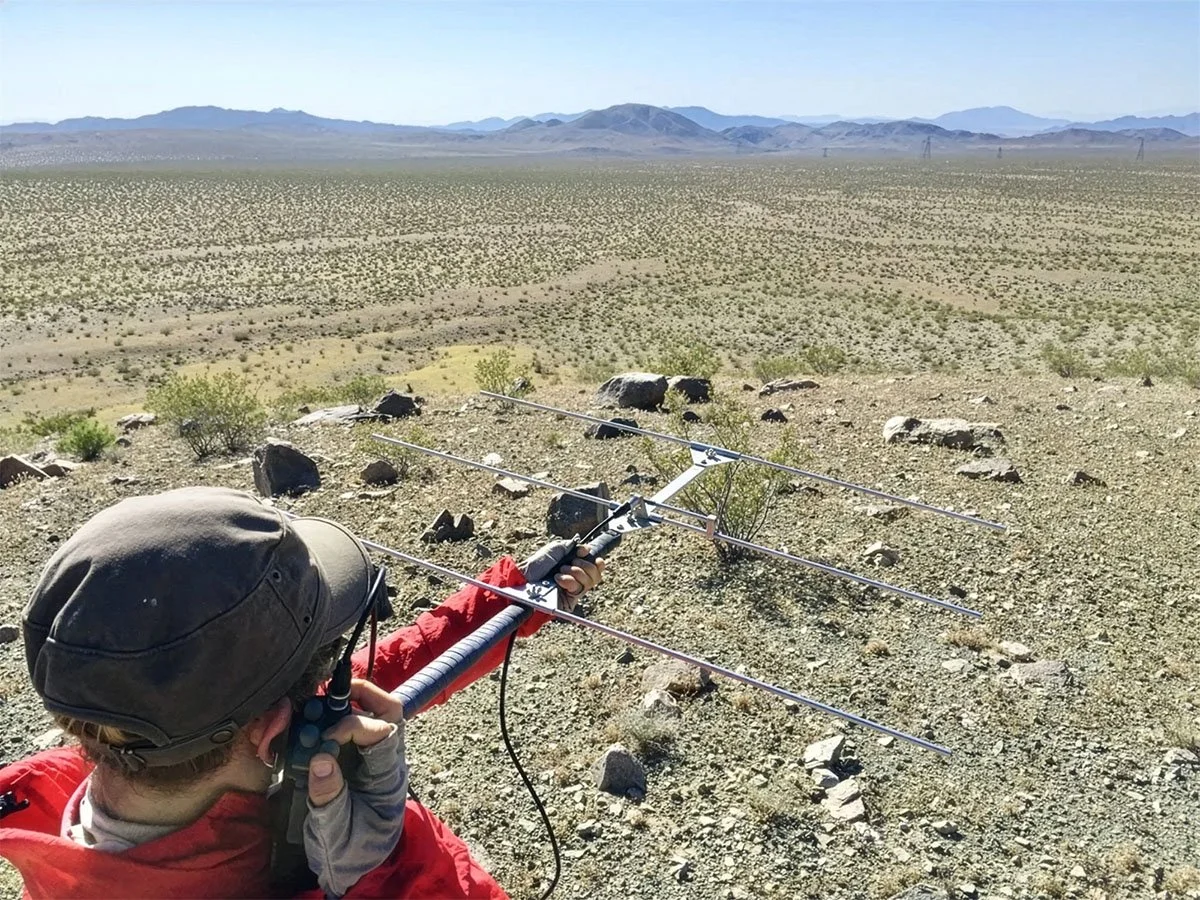
Wilder often provides skilled and authorized biologists as a sub-contractor on large, complex infrastructure projects.
Our personnel are routinely approved as agency Authorized or Designated Biologists for region-specific sensitive species, and have served in leadership roles for agency protocol surveys, data management, report preparation and compliance monitoring. Some examples of State and federally listed species commonly mitigated for in the US Southwest are below.
Mojave Desert Tortoise (Gopherus agassizii)
The Mojave desert tortoise is listed under both the California state (status: Endangered) and US federal (status: Threatened) Endangered Species Act. Wilder staff and associates are experienced field biologists currently working in the arenas of desert tortoise translocation and USFWS health assessment techniques. The skills and experience we offer can address the need for the safe handling and movement of desert tortoises when such activities are indicated by agency guidance documents. Our staff have participated in several tortoise translocation projects in the last 15 years, often filling lead roles.
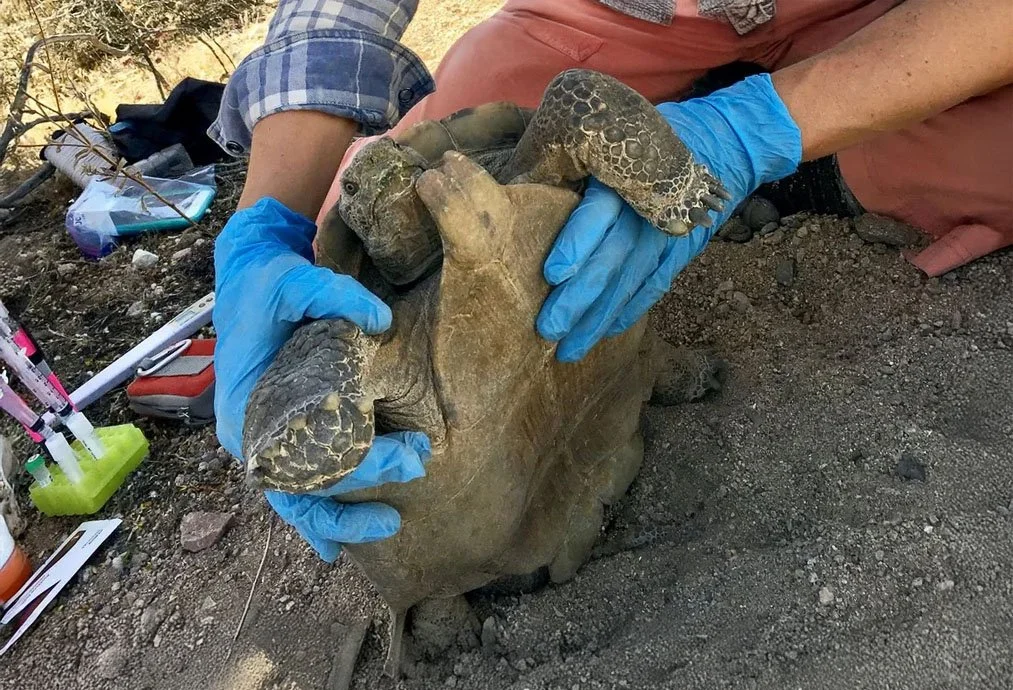
Wilder personnel often fill key leadership positions on these complex projects, most notably on the Marine Corps Air Ground Combat Center (MCAGCC) base expansion, which has been the largest desert tortoise translocation ever, to date (>1,100 tortoises translocated). During the period 2015-2022, Nate Jones and Liana Harp managed teams of 5-15 biologists engaged in clearance surveys, USFWS protocol health assessments and blood sampling of desert tortoises, and the weekly telemetry tracking of over 1,200 tagged, wild tortoises.
-
![Person wearing a wide-brimmed hat, plaid shirt, and pink pants sitting on the ground outdoors, working with equipment near rocks and bushes.]()
Marine Corps Air Ground Combat Center Desert Tortoise Translocation Actions
-
![A person in outdoor attire investigating a turtle on rocky ground, with a backpack and flowering plants in the background.]()
Marine Corps Air Ground Combat Center Desert Tortoise Translocation Actions
-
![Researchers in outdoor field setting studying turtles, using tables, notebooks, and equipment on sandy ground, with supplies and tools nearby.]()
Desert Breeze Solar Project Tortoise Health Assessments
-
![Person practicing yoga outdoors in a desert landscape, wearing a wide-brimmed hat, a neon vest, and light-colored pants, on an orange yoga mat surrounded by sparse desert vegetation.]()
Desert Breeze Solar Project Burrow Scope
-
![Scientists and volunteers in outdoor gear and gloves examining and working on a small animal, possibly a lizard, with various equipment and supplies around them. They are on a dirt or sandy surface with outdoor setup in the background.]()
Desert Breeze Solar Project Tortoise Hydration for Translocation
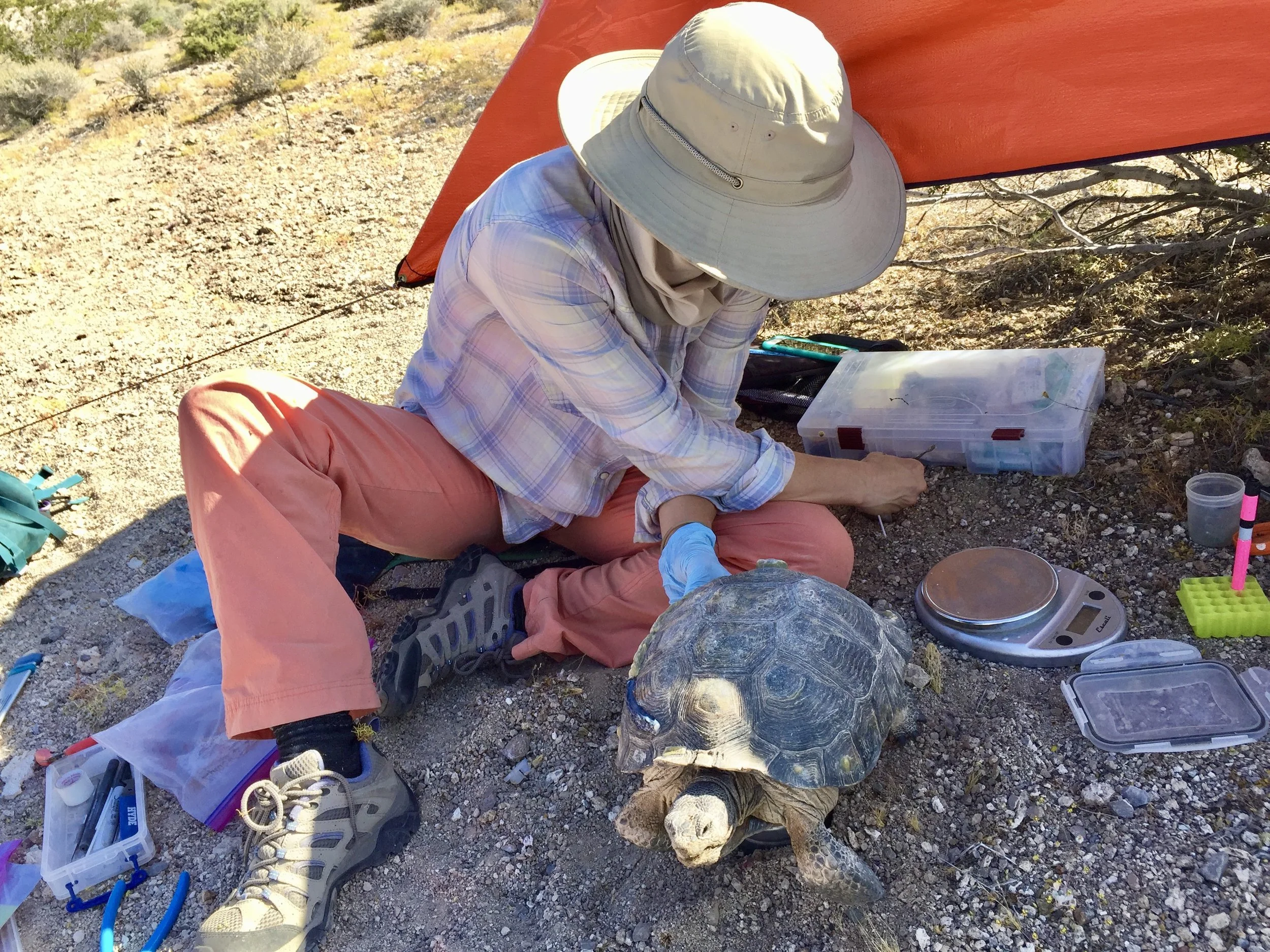
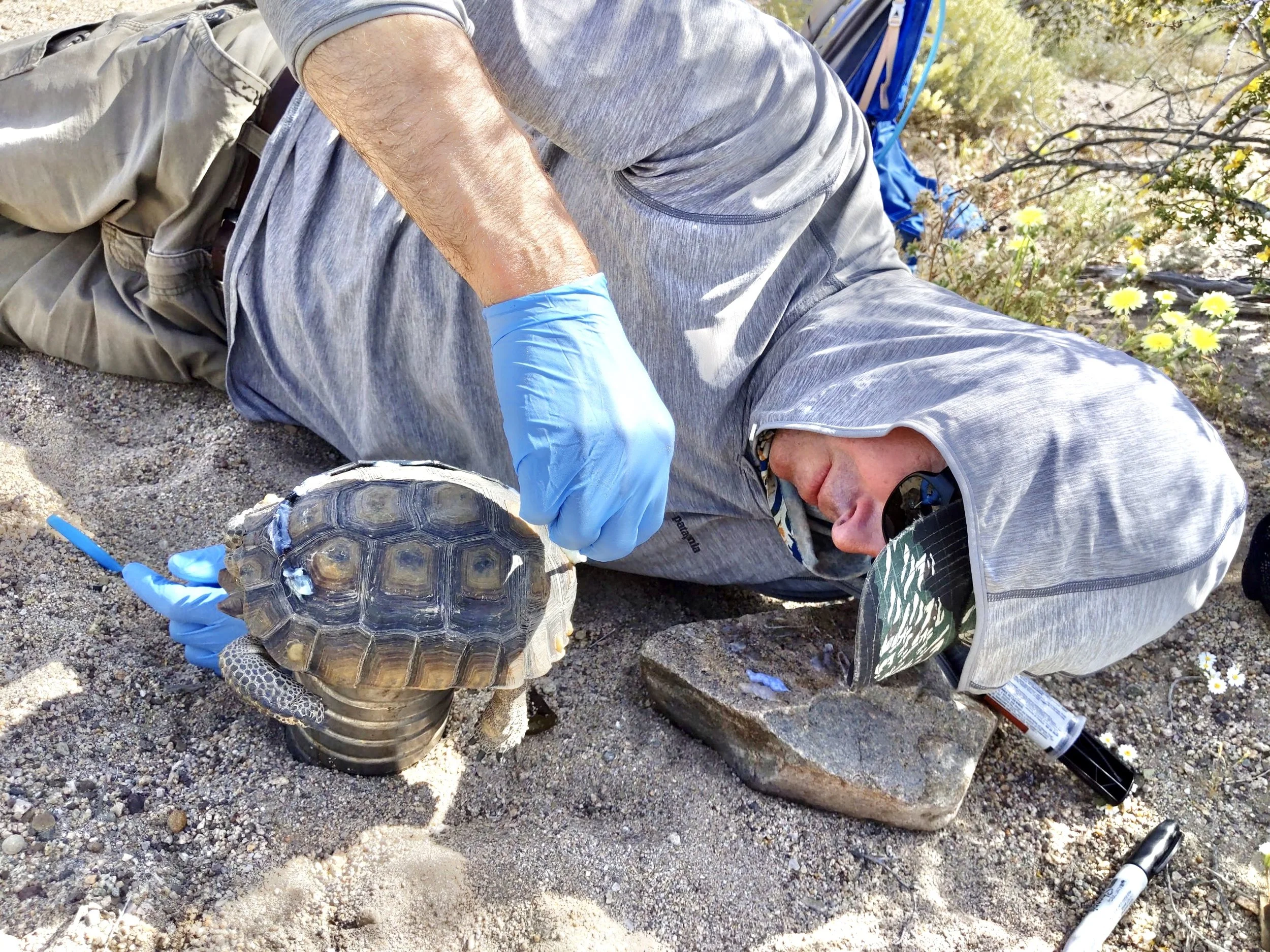
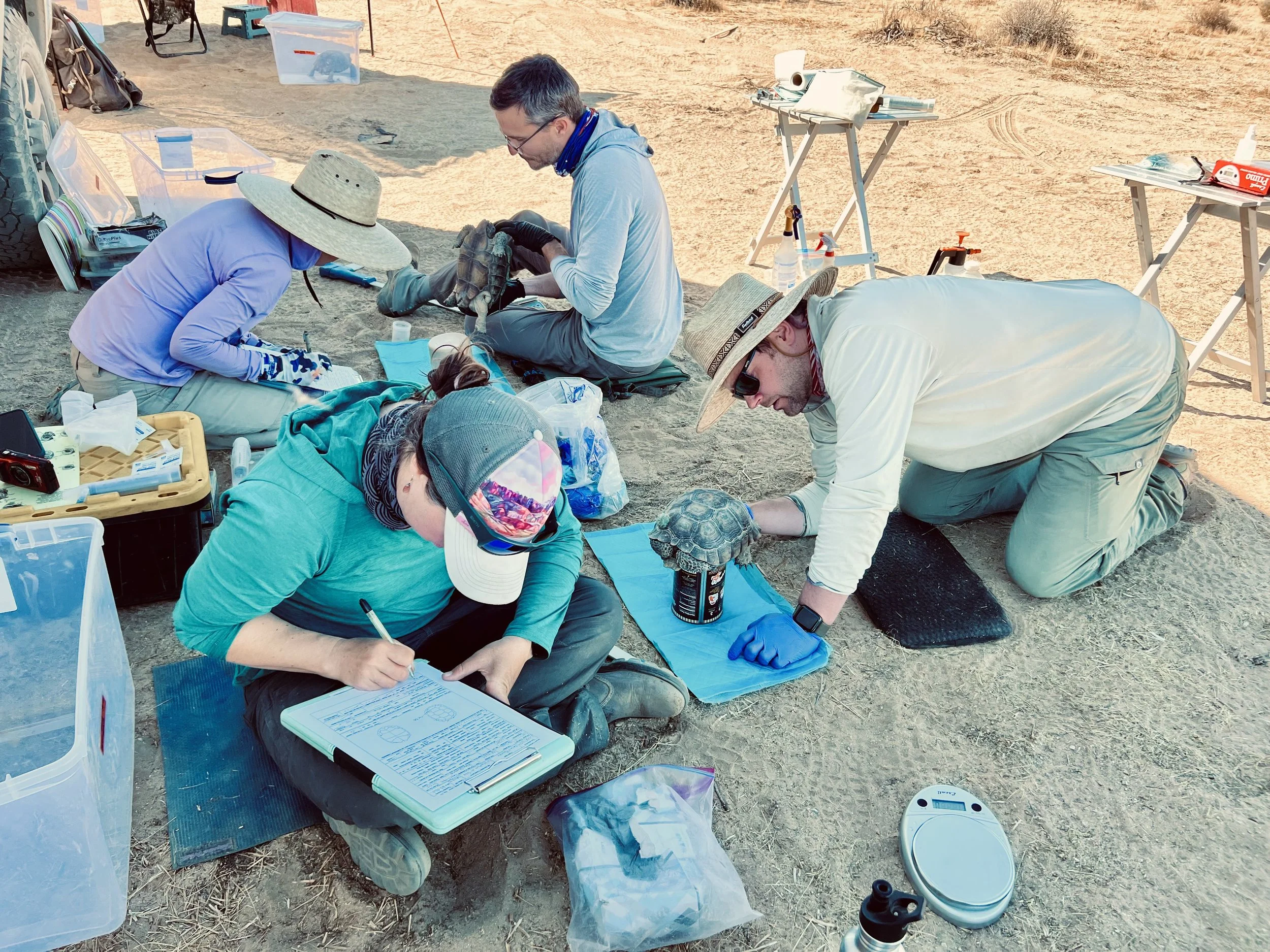
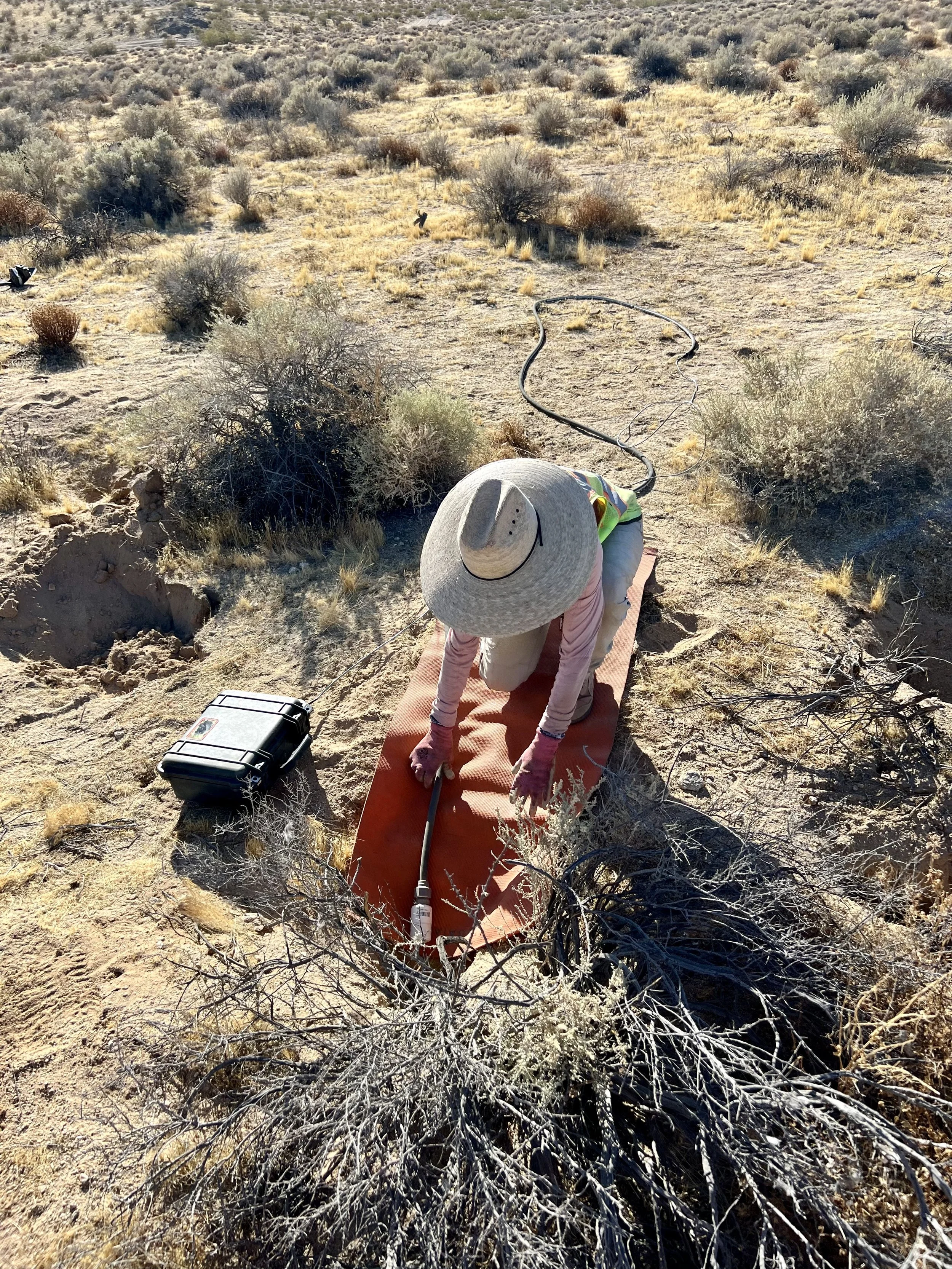
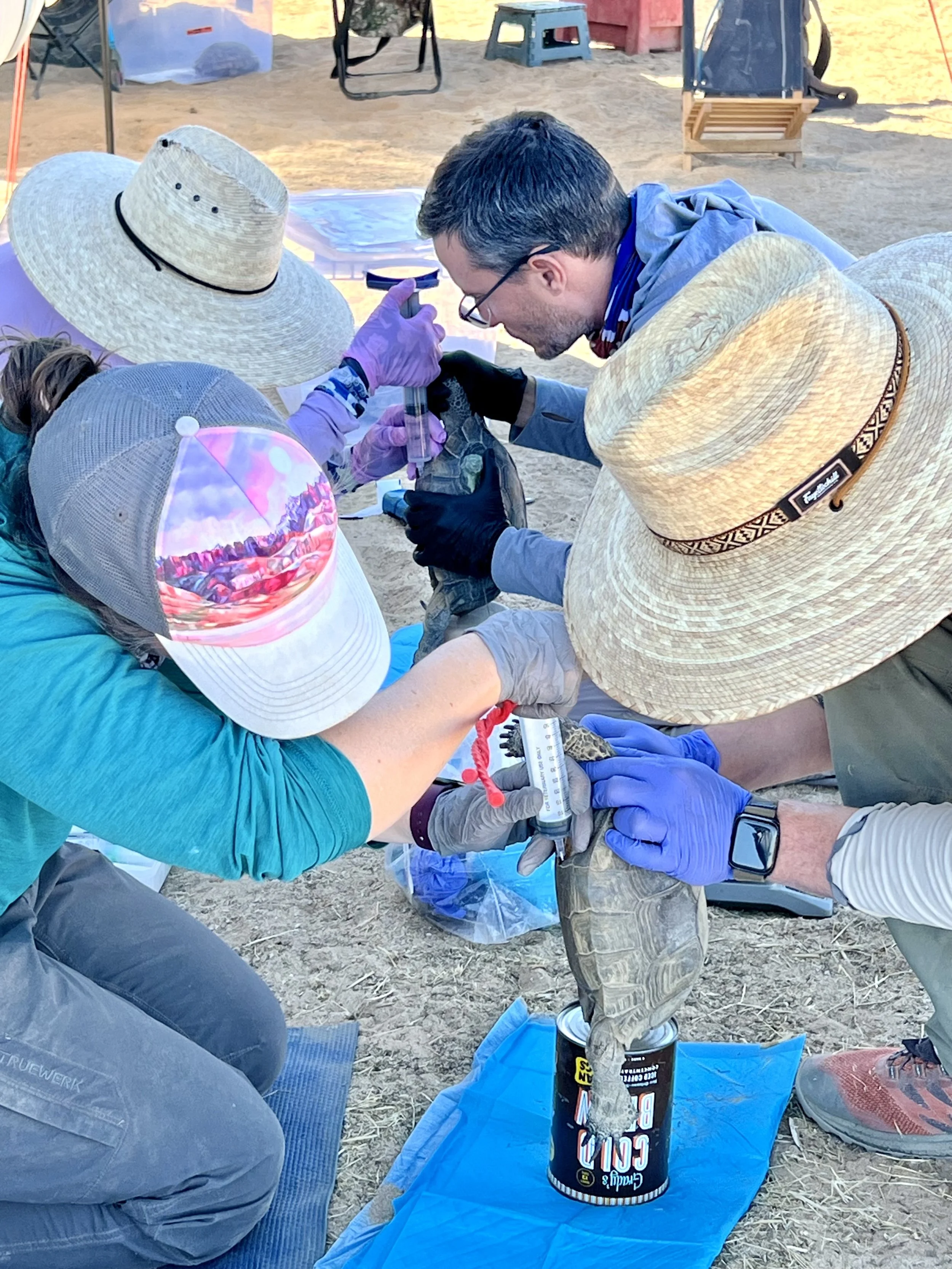
More recently, Wilder was sub-contracted to write a Desert Tortoise Translocation Plan, and complete all aspects of USFWS protocol clearance surveys and desert tortoise translocation (n=11) on the 667-acre Desert Breeze solar photovoltaic facility. The effort included leading up to 15 biologists in surveys, burrow investigations, excavations, temporary penning and husbandry of juvenile tortoises, USFWS protocol health assessments and tissue sampling, artificial burrow construction, tortoise translocation, and follow-on radio telemetry scheduled for a 5-year study period.
Western Burrowing Owl
(Athene cunicularia hypugaea)
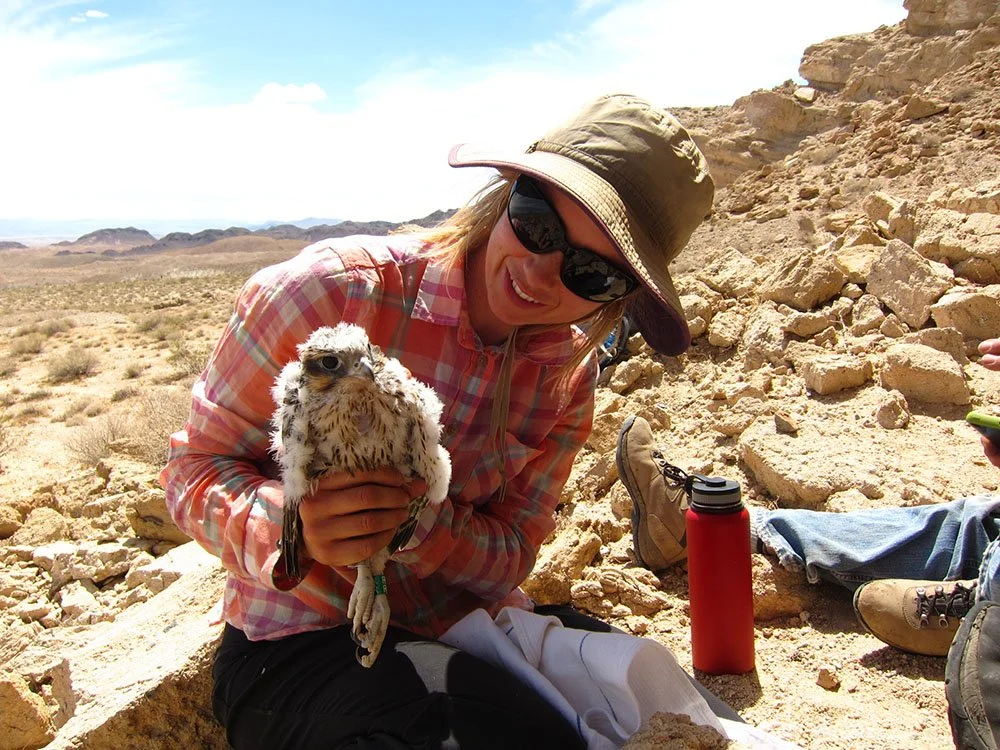
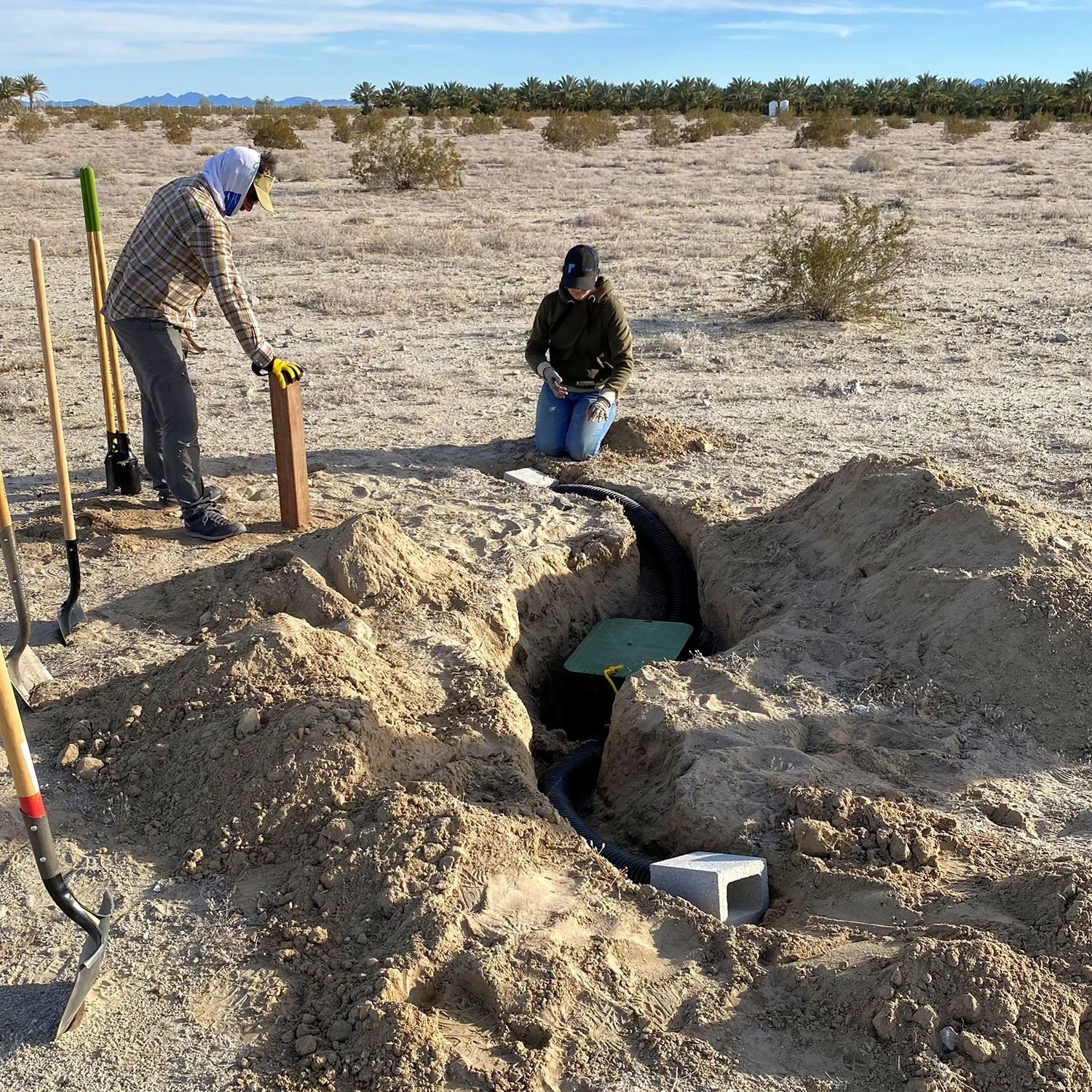
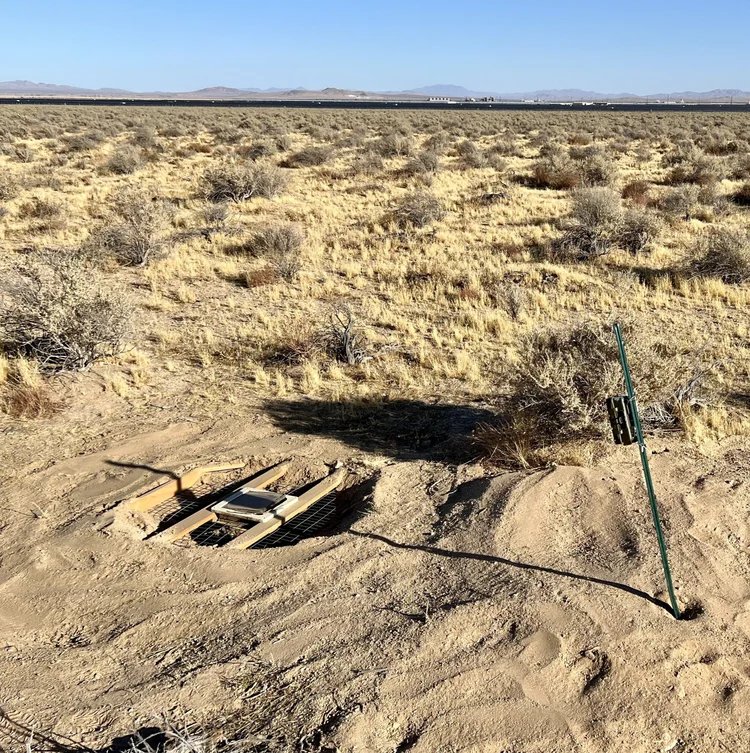
The western burrowing owl currently has candidate species status under the California Endangered Species Act (CESA). The California Fish and Game Commission voted to accept a listing petition in October, 2024, which triggered this candidate designation and a formal status review by the California Department of Fish and Wildlife (CDFW). As a candidate species, the owl temporarily receives the same "take" protections as a fully listed threatened or endangered species.
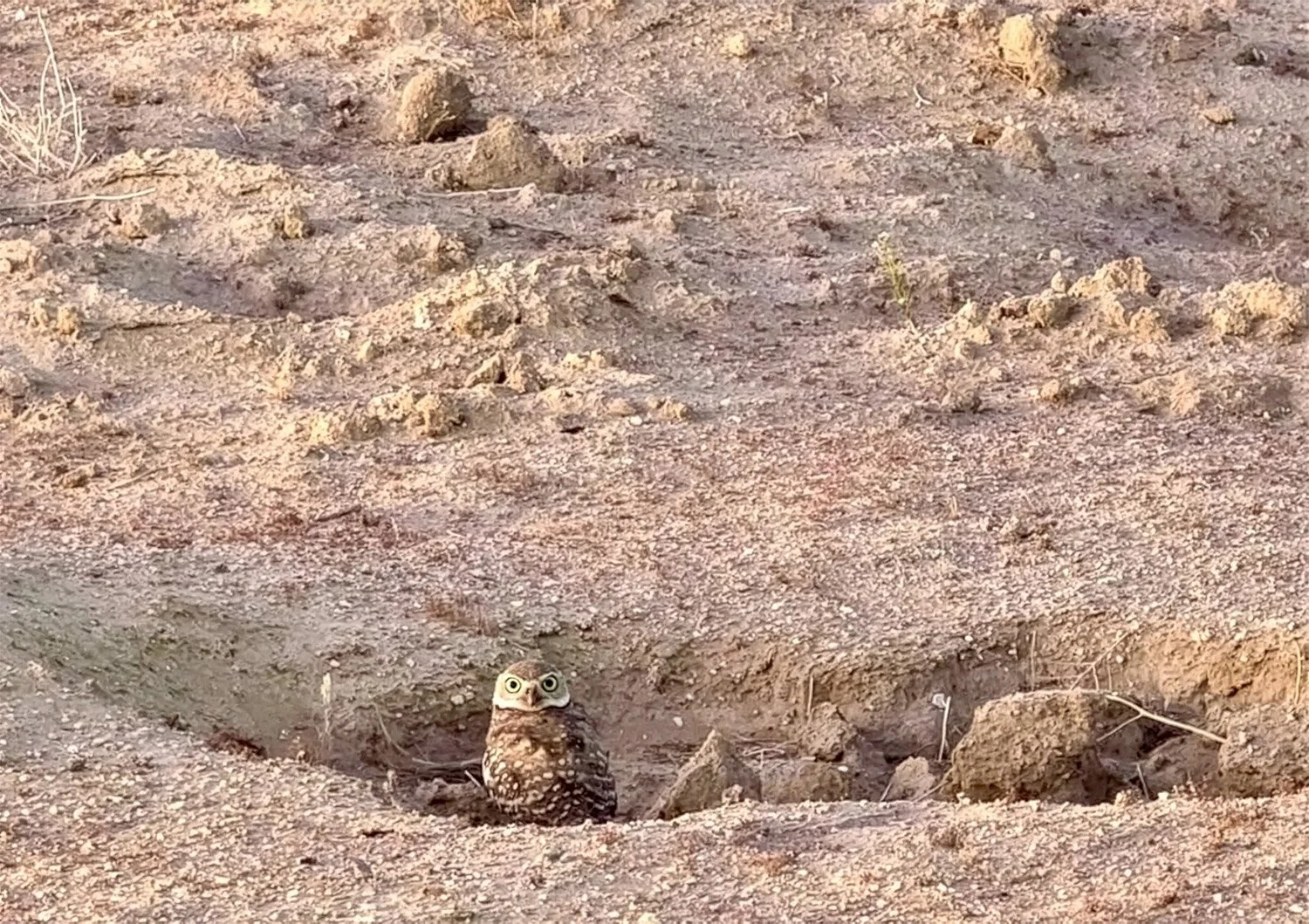
Passive exclusion and artificial burrow construction are often indicated in CDFW Incidental Take Permit (ITP) mitigation to safely remove burrowing owls from sites undergoing infrastructure development. Wilder staff is routinely approved by agencies to work with burrowing owls, and has managed the passive removal of owls from solar sites and utility corridors.
Western Joshua Tree
(Yucca brevifolia)
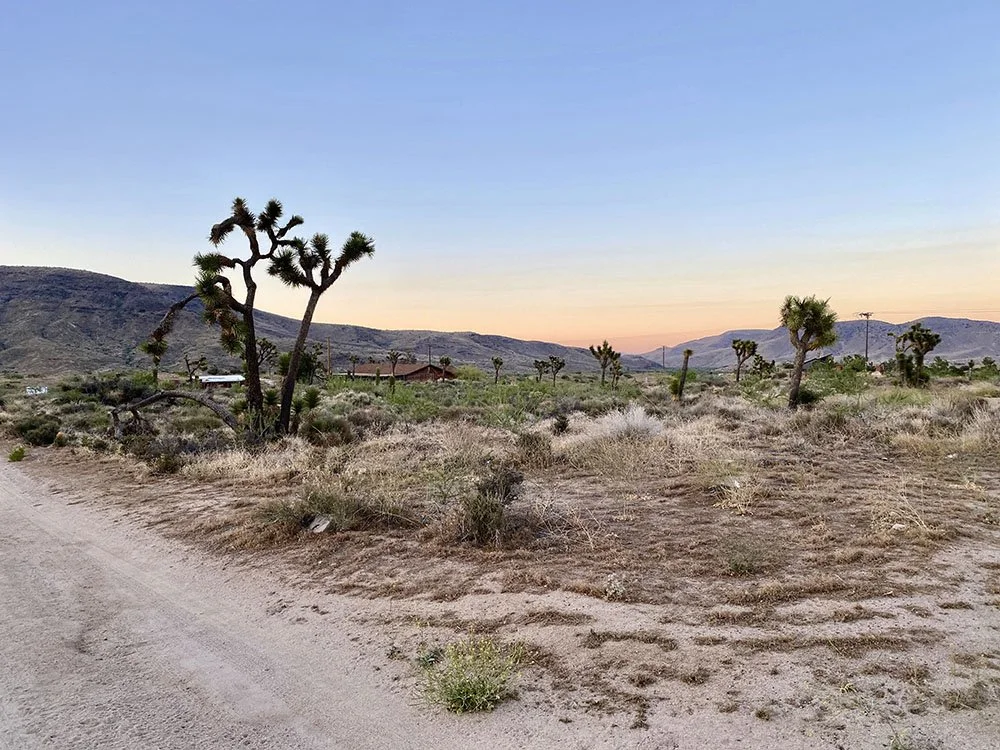
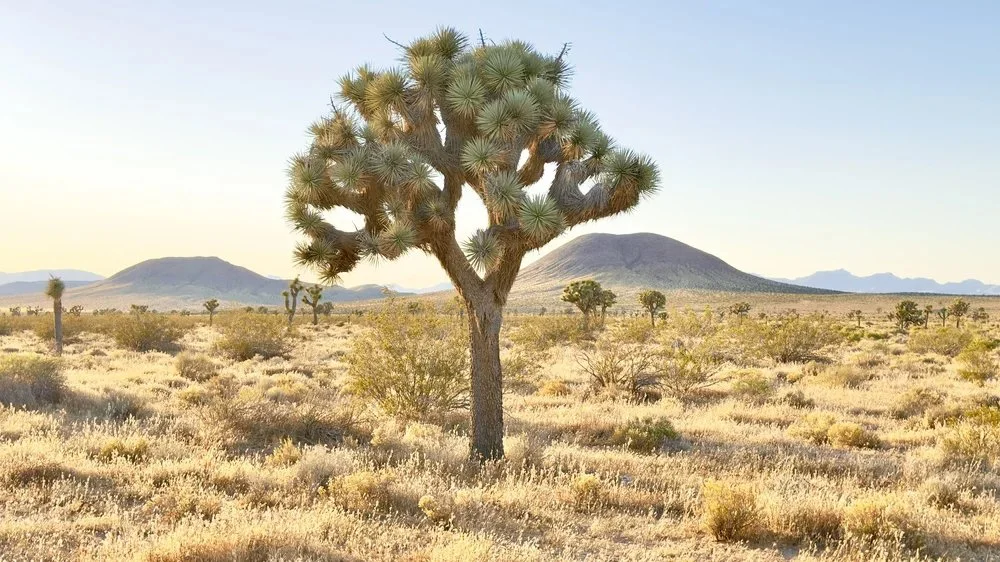
The western Joshua tree is currently retained as a candidate species pending a final listing decision under the California Endangered Species Act (CESA). California law therefore prohibits the importation, export, take, possession, purchase, or sale of any western Joshua tree in California unless an Incidental Take Permit is obtained through California Department of Fish and Wildlife. Wilder has years of experience conducting western Joshua tree assessments, and is well versed in the new CDFW protocol Western Joshua Tree Census techniques required in successful permitting applications.
Wilder Biologist Nate Jones was sub-contracted as the Lead Designated Biologist for the first large-scale Incidental Take Permit action for western Joshua trees under updated protocols. Working with Ecocentric, Inc., he developed novel data collection protocols and provided field management (QA/QC) to achieve:
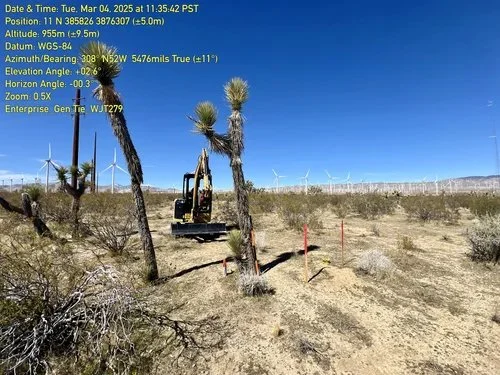
Over 4,000 individual Joshua trees located, characterized, and processed in accordance with CDFW guidance and protocols
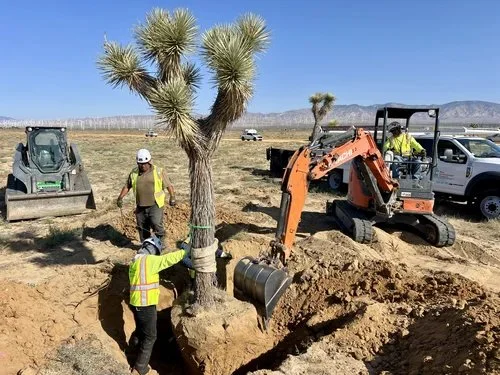
Over 250 individuals successfully transplanted to mitigation properties
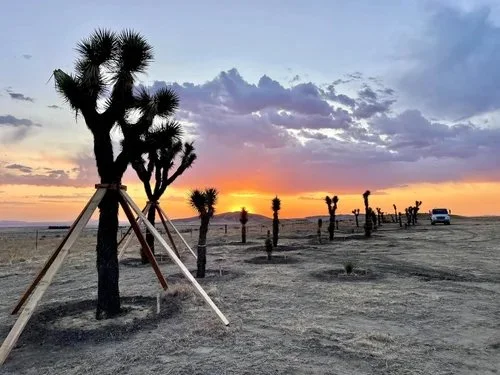
Initiated a post-transplant monitoring program to determine the success of the action
See More Services
-
![A woman in outdoor gear holding a small owl in a desert landscape with rocky terrain and mountains in the background.]()
Biological Surveys, Research + Reporting
-
![Close-up of a person's hand holding a pen and writing on a paper with a detailed table filled with numbers and text.]()
Permit Compliance: Biological Assessments, Mitigation Plans, Reporting
-
![A construction worker walking on a dirt road in a desert area with a bulldozer behind him under a clear blue sky.]()
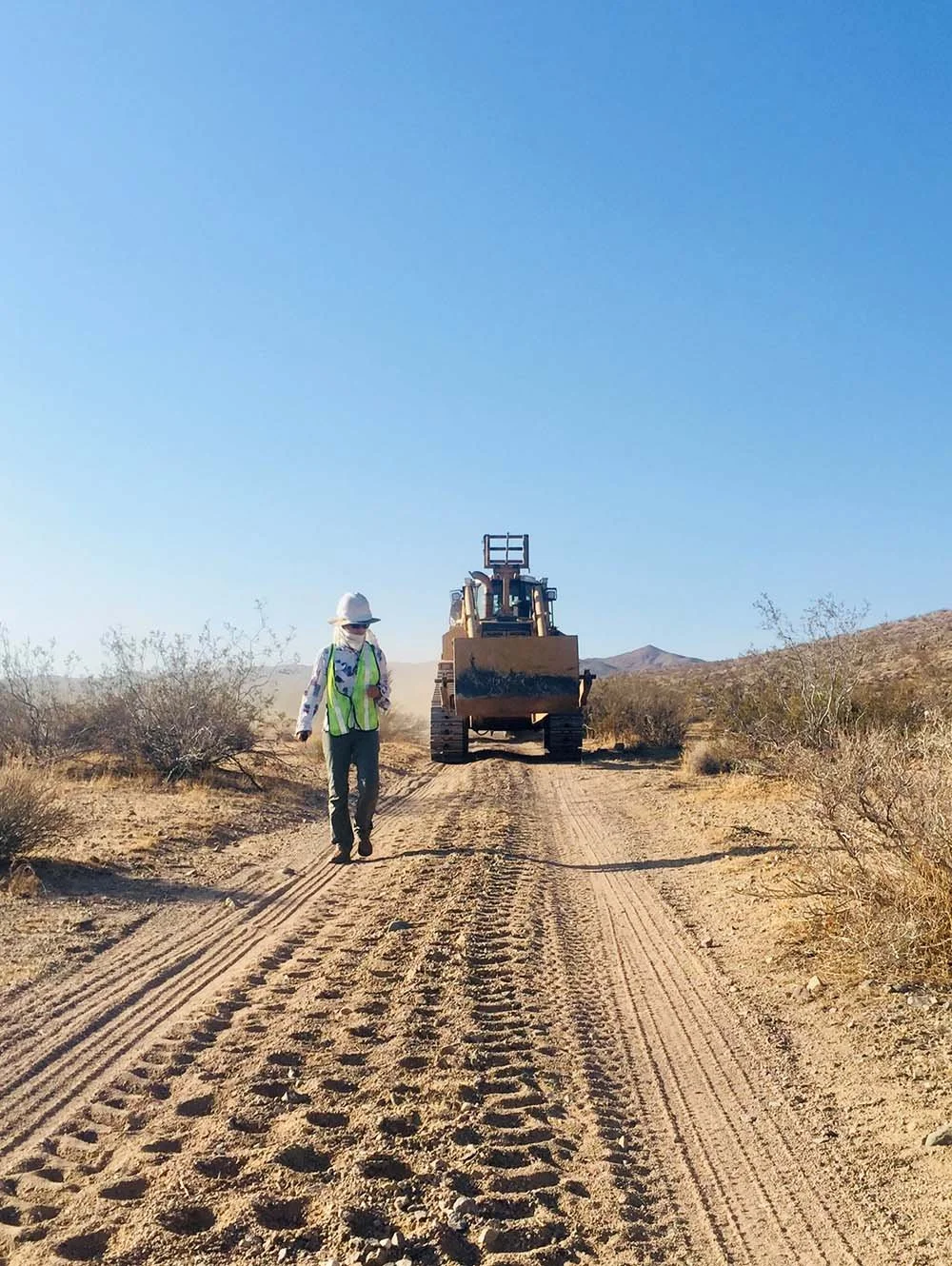
Construction Monitoring
-
![A construction worker and a person operating a CAT mini excavator digging in a desert landscape.]()
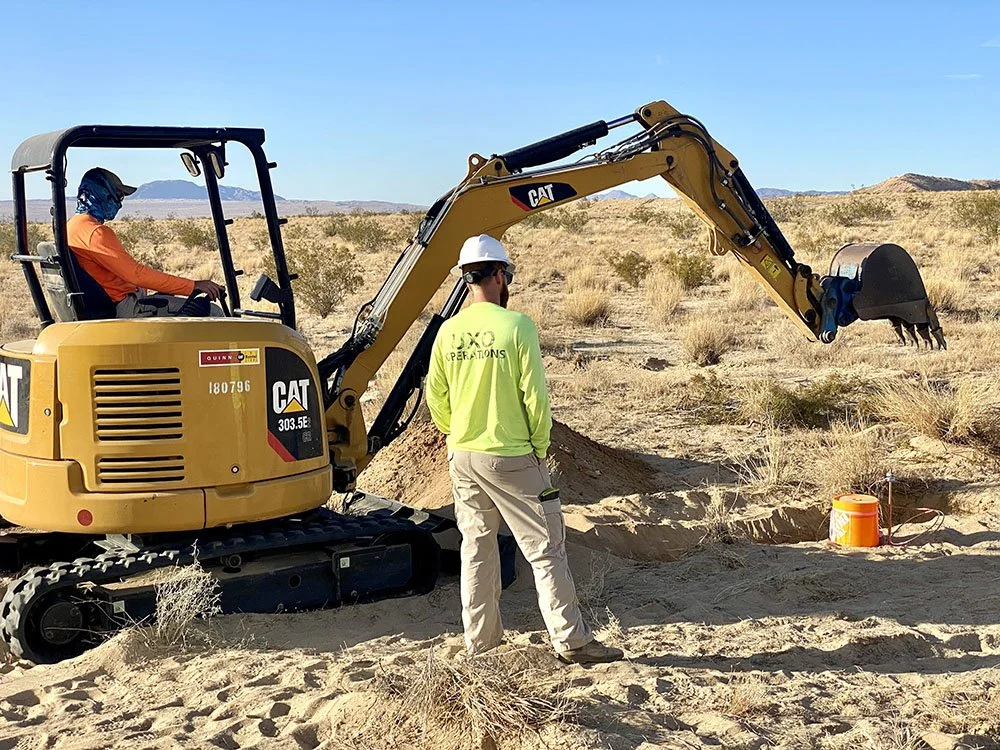
Biological Resources Support for Federal Lands + Department of Defense Infrastructure
-
![Desert landscape with Joshua trees, dry grass, distant hills, and a clear sky during sunset or sunrise.]()
Permitting Support for Private Residential + Small Business