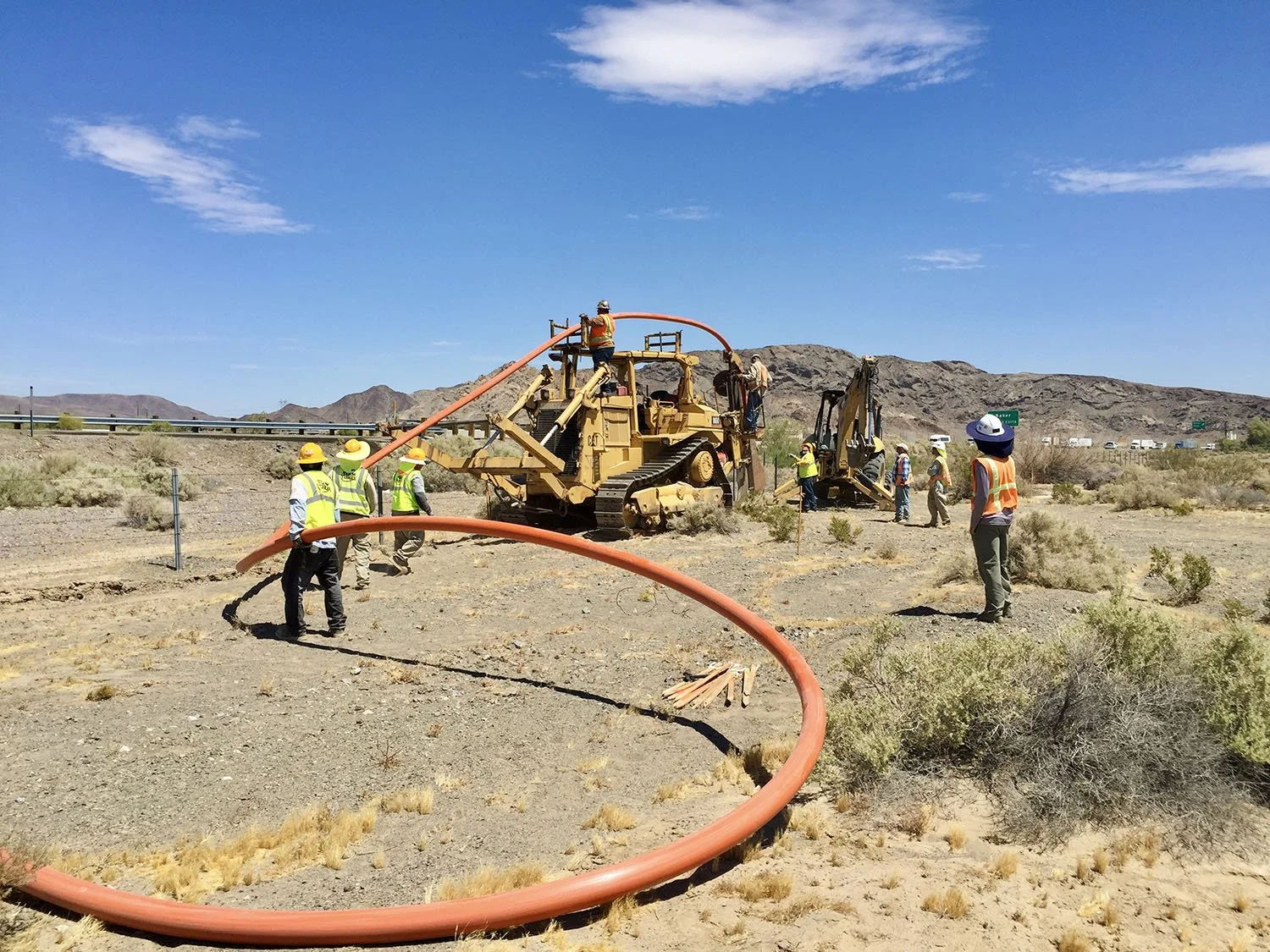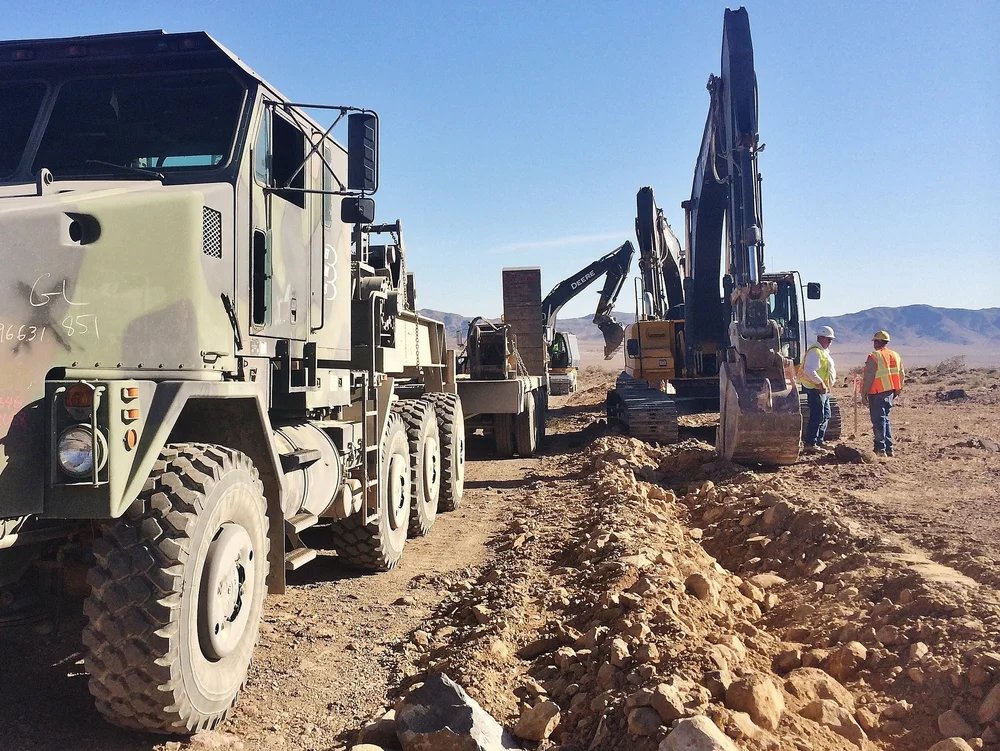
Federal Lands Management + Department of Defense Infrastructure
Federal environmental law impacts infrastructure development, resource agency management actions such as programmatic resource monitoring, research and mitigation, as well as operations for Department of Defense installations.
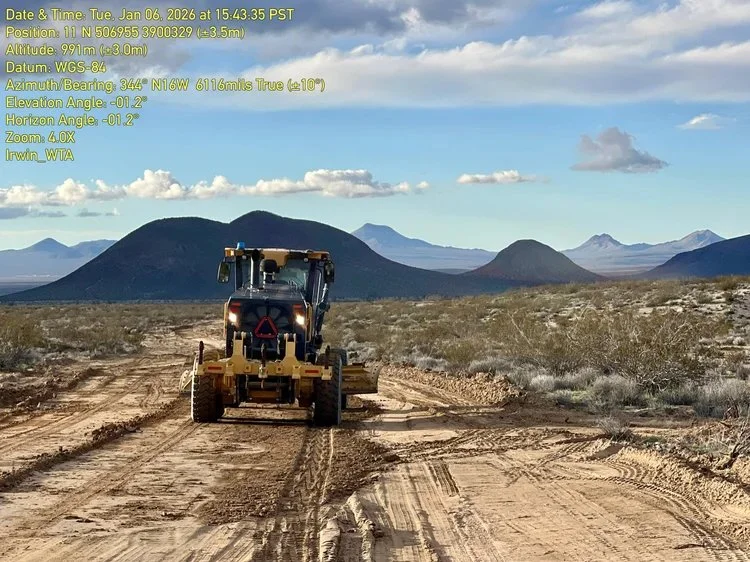
Biological resource management on federal lands sits at the intersection of several major statutes that overlap and reinforce one another.
The National Environmental Policy Act (NEPA) is the procedural umbrella, and it requires federal agencies to assess the environmental effects of proposed actions before approving them, triggering the biological assessments and impact reviews that inform most other permitting decisions. Additional applicable laws include the Endangered Species Act (ESA), prohibiting federal agencies from taking actions likely to jeopardize listed threatened or endangered species or destroy their critical habitat, and requiring formal consultation with the U.S. Fish and Wildlife Service or NOAA Fisheries when a project may affect such species.

The Clean Water Act (CWA) governs impacts to wetlands, streams, and other waters of the United States, primarily through the Section 404 dredge-and-fill permitting program administered by the Army Corps of Engineers, and frequently intersects with biological resource concerns where aquatic habitat is involved. The Migratory Bird Treaty Act (MBTA) protects nearly all native bird species from unauthorized take, extending federal jurisdiction over bird-related impacts even on land otherwise outside strict habitat protections. Adding still more complexity are others such as the Bald and Golden Eagle Protection Act, the National Historic Preservation Act (where cultural and biological resource review often overlap), and the Federal Land Policy and Management Act (governing BLM multiple-use mandates), depending on the land management agency and resource type involved.
In practice, a single federal project, for example a lease for a utility transmission corridor, a military infrastructure project, or a listed species research and conservation plan, often has to satisfy several national conservation laws simultaneously, with NEPA serving as the procedural umbrella that coordinates the substantive requirements of the others.
See More Sectors
-
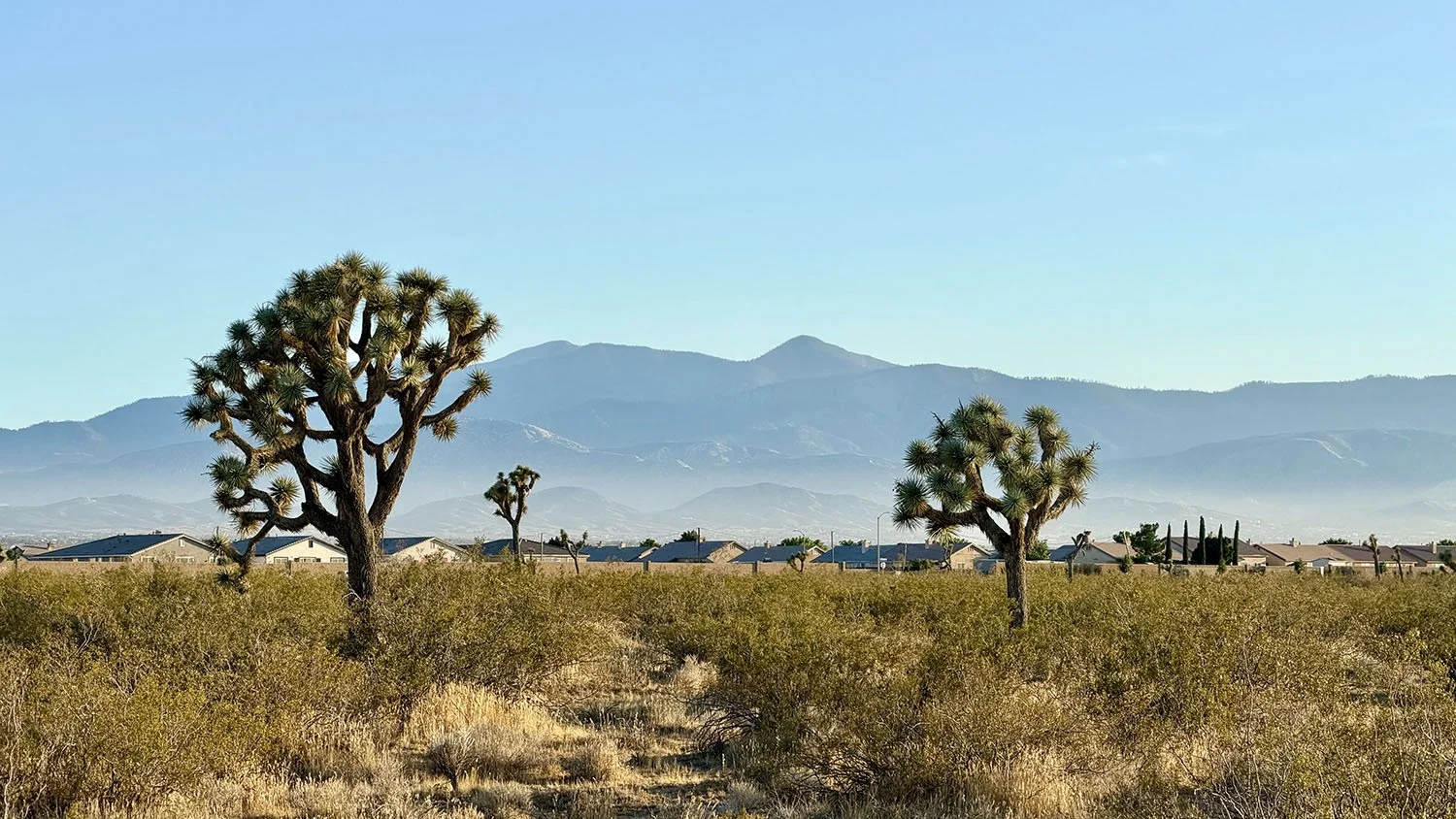
![Desert landscape with Joshua trees in the foreground, houses in the middle ground, and mountains in the background under a clear blue sky.]()
Private Residential + Small Business
-
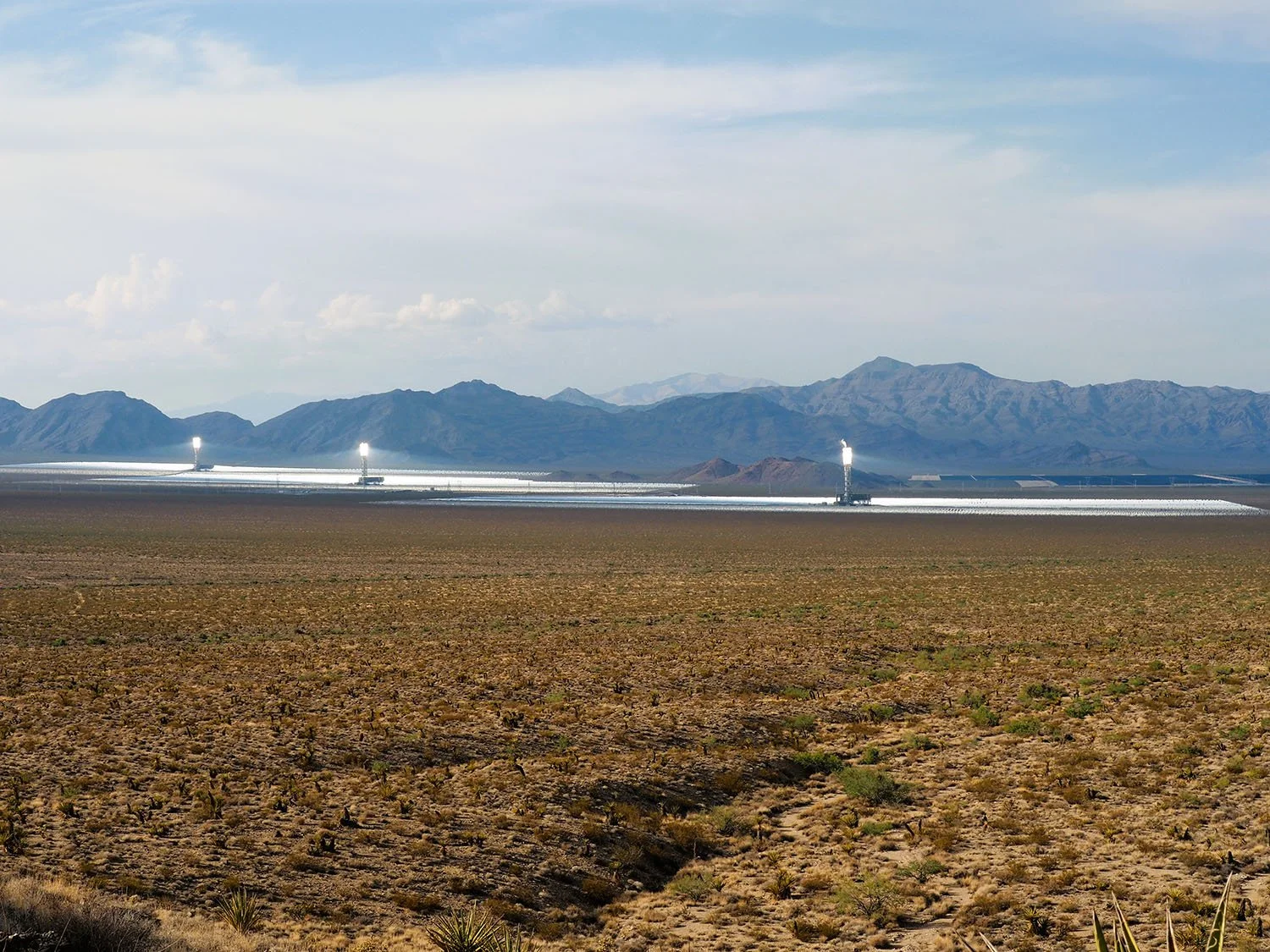
![A vast desert landscape leading to a large solar farm with reflective panels and mountain range in the background under a partly cloudy sky.]()
Utilities: Energy Generation Facilities
-
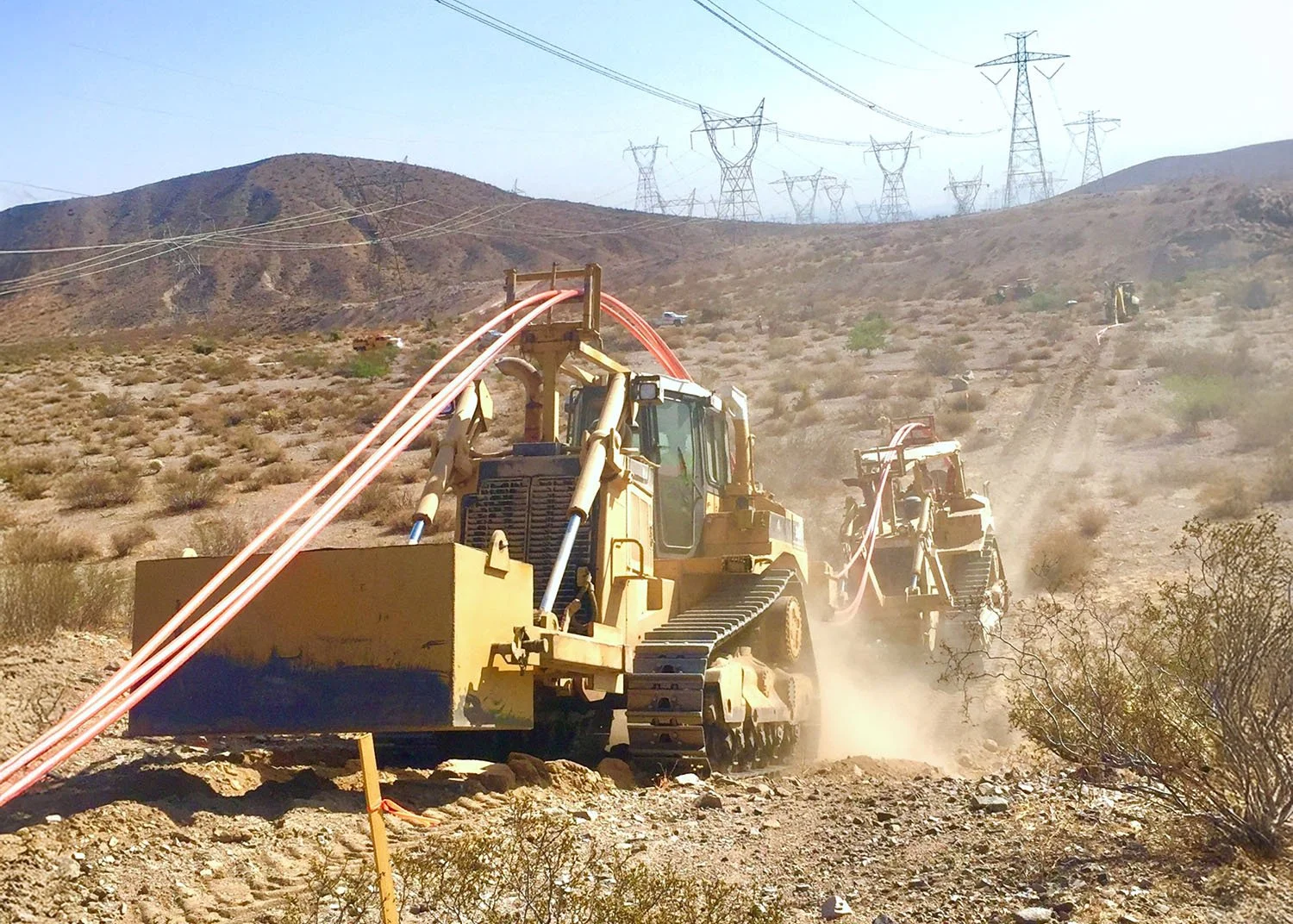
![Construction vehicles laying underground cables in a desert landscape with power lines and hills in the background.]()
Utilities: Transmission Lines
-
![A small, gray, spiky lizard resting on a person's fingers.]()
Biological Research + Conservation Projects
-
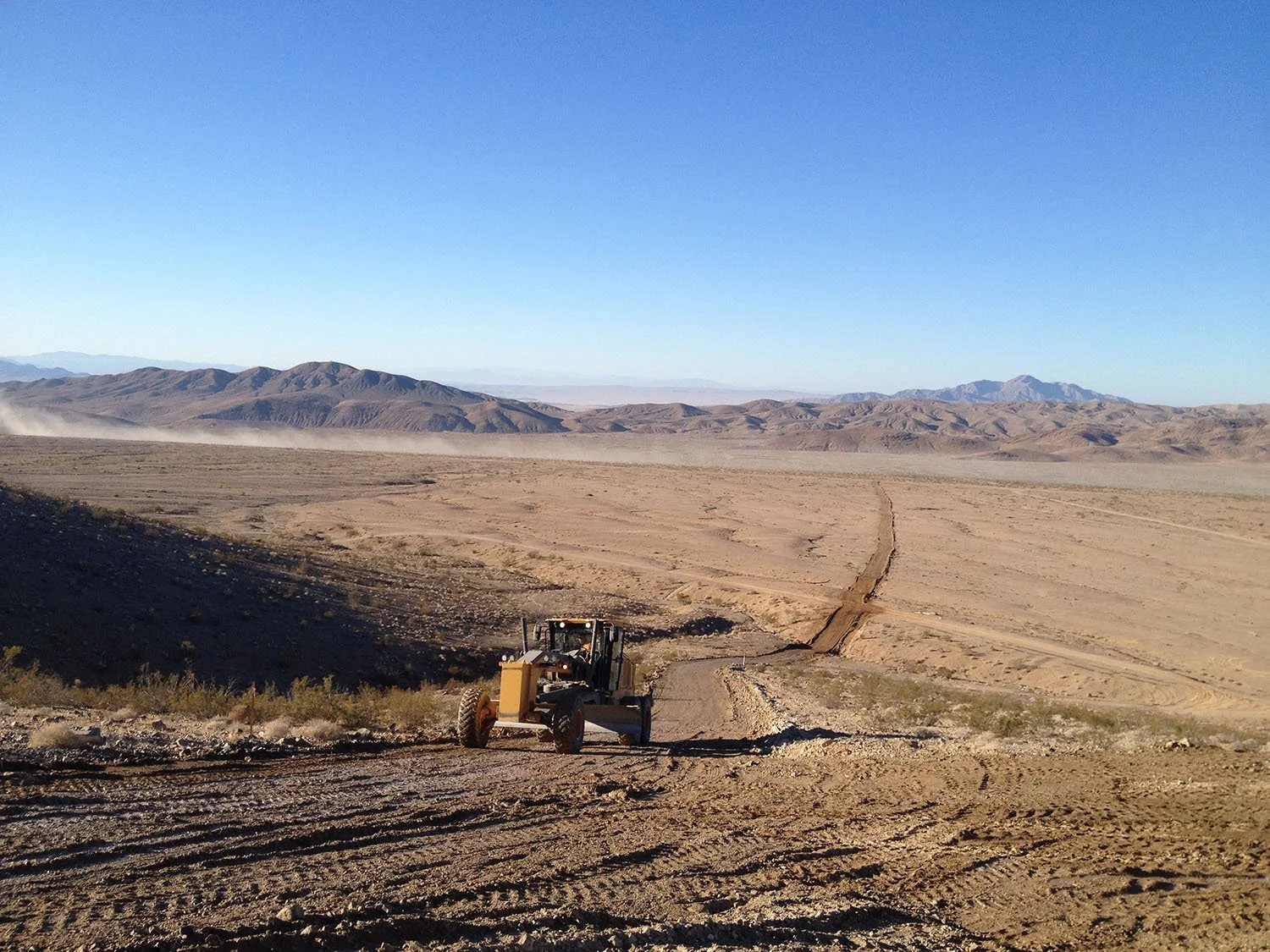
![A dirt road in a desert landscape with a yellow construction vehicle at the foreground, and mountains in the distance under a clear blue sky.]()
Transportation Infrastructure
-
![Construction workers in safety vests and helmets working with heavy machinery and orange piping in a desert landscape under a clear blue sky.]()
Telecommunications Infrastructure