Telecommunications Infrastructure
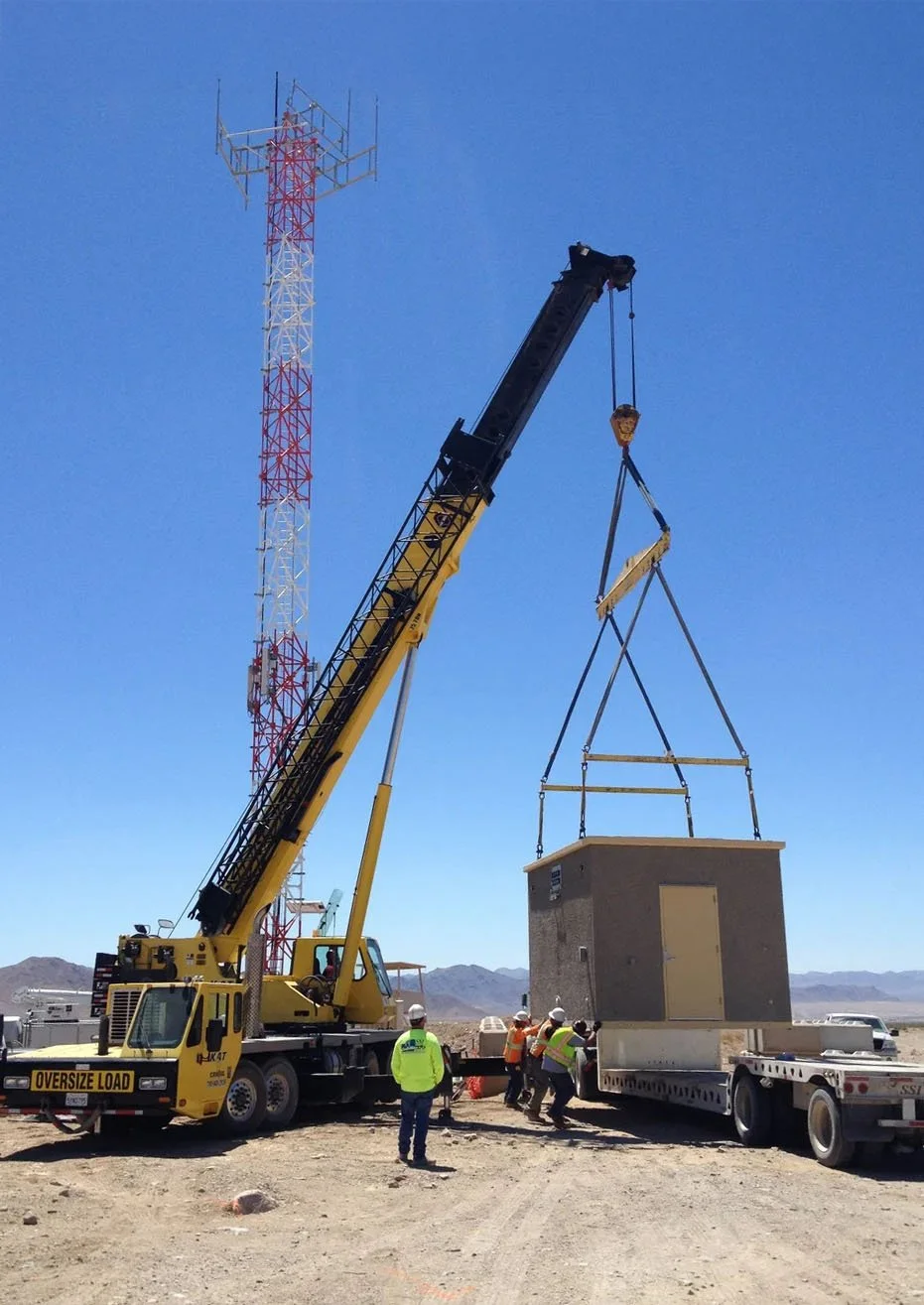
Telecommunications infrastructure spans a wide range of project types, from macro cell towers to fiber optic and coaxial cable lines, both aerial and buried.
Unlike most private development, many telecommunications projects trigger federal environmental review even when sited on private or state land.
Because the Federal Communications Commission (FCC) licenses wireless facilities and administers the Antenna Structure Registration (ASR) program, new towers and modifications can be treated as a federal action subject to the National Environmental Policy Act (NEPA), regardless of the underlying property ownership.
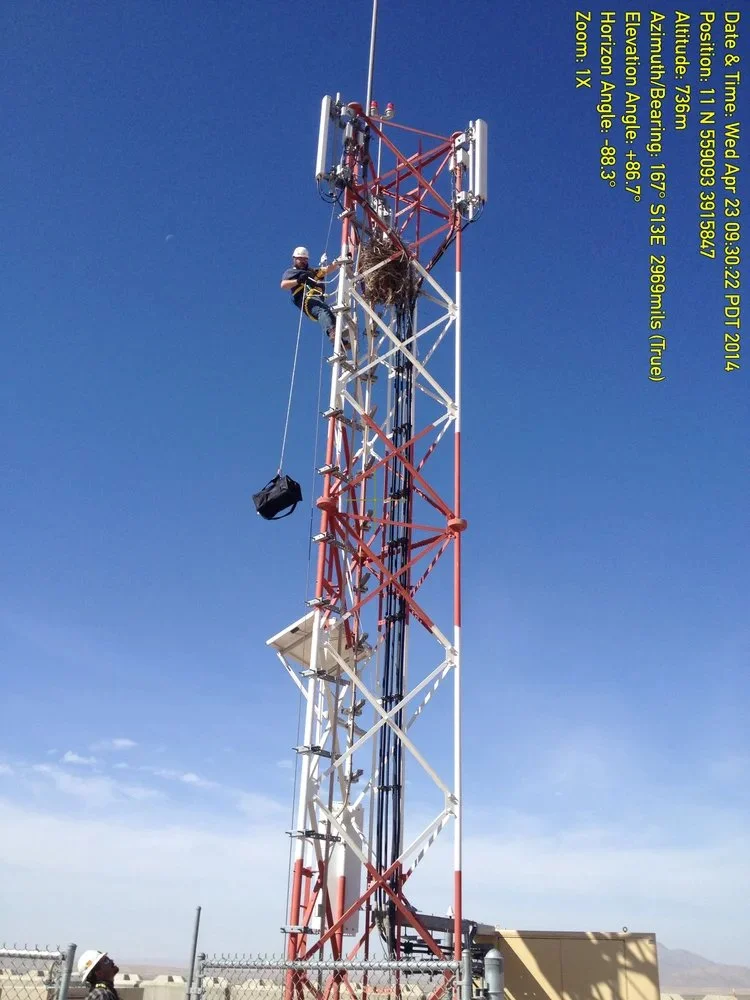
Because towers and antenna structures are also attractive nesting and perching substrate for ravens, raptors, and other native birds, the Migratory Bird Treaty Act and, where applicable, the Bald and Golden Eagle Protection Act, can factor into siting and construction timing decisions, particularly in the open desert, where a tower may represent the only elevated structure for miles.
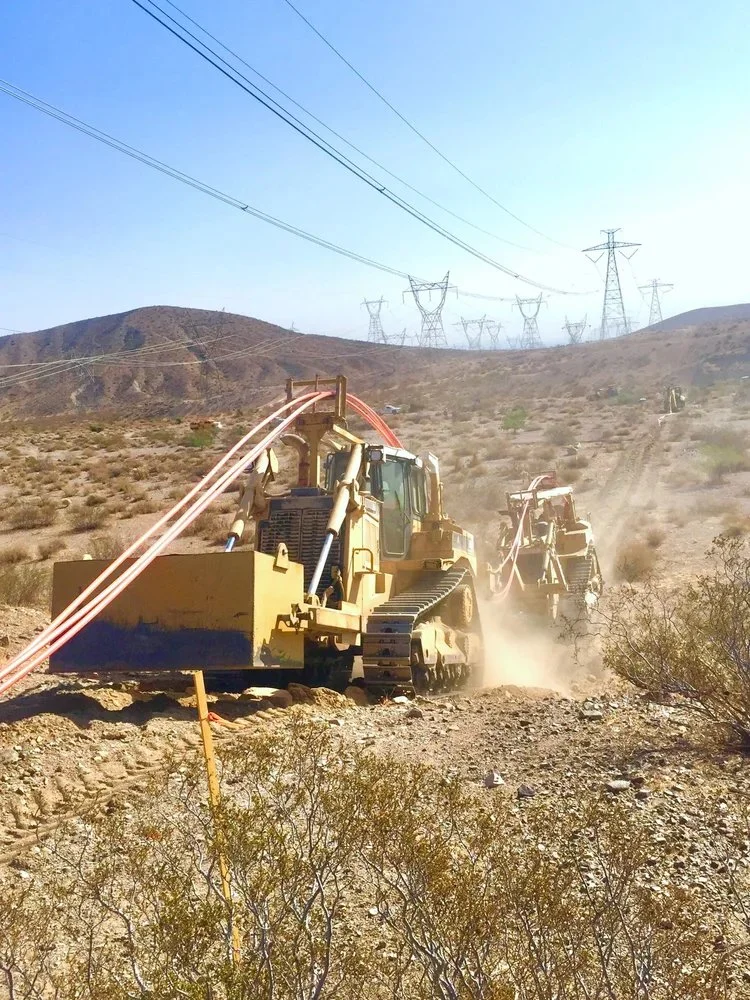
Buried fiber and overhead cable installations raise similar considerations to other linear utility projects, since work within a narrow, permitted corridor (Right-of-Way; ROW) can intersect sensitive biological resources such as active bird nests and desert tortoise burrows, Joshua trees, and other protected species.
Qualified biological consultants and other resource specialists support telecommunications clients through initial pre-construction biological surveys, and construction monitoring, helping projects move from site selection to activation without unexpected delays.
See More Sectors
-
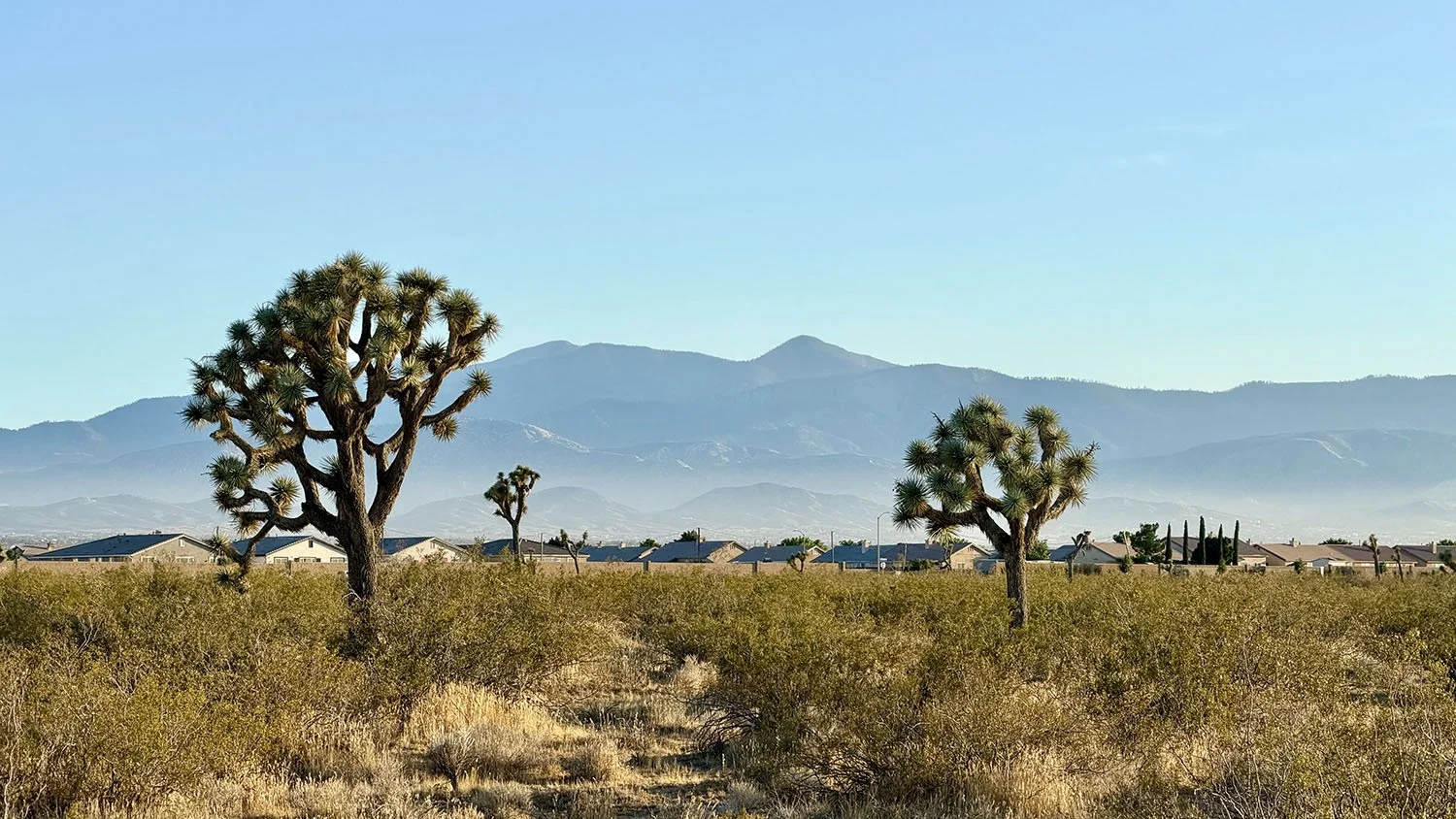
![Desert landscape with Joshua trees, dry shrubs, single-family homes in background, and mountains under clear blue sky.]()
Private Residential + Small Business
-
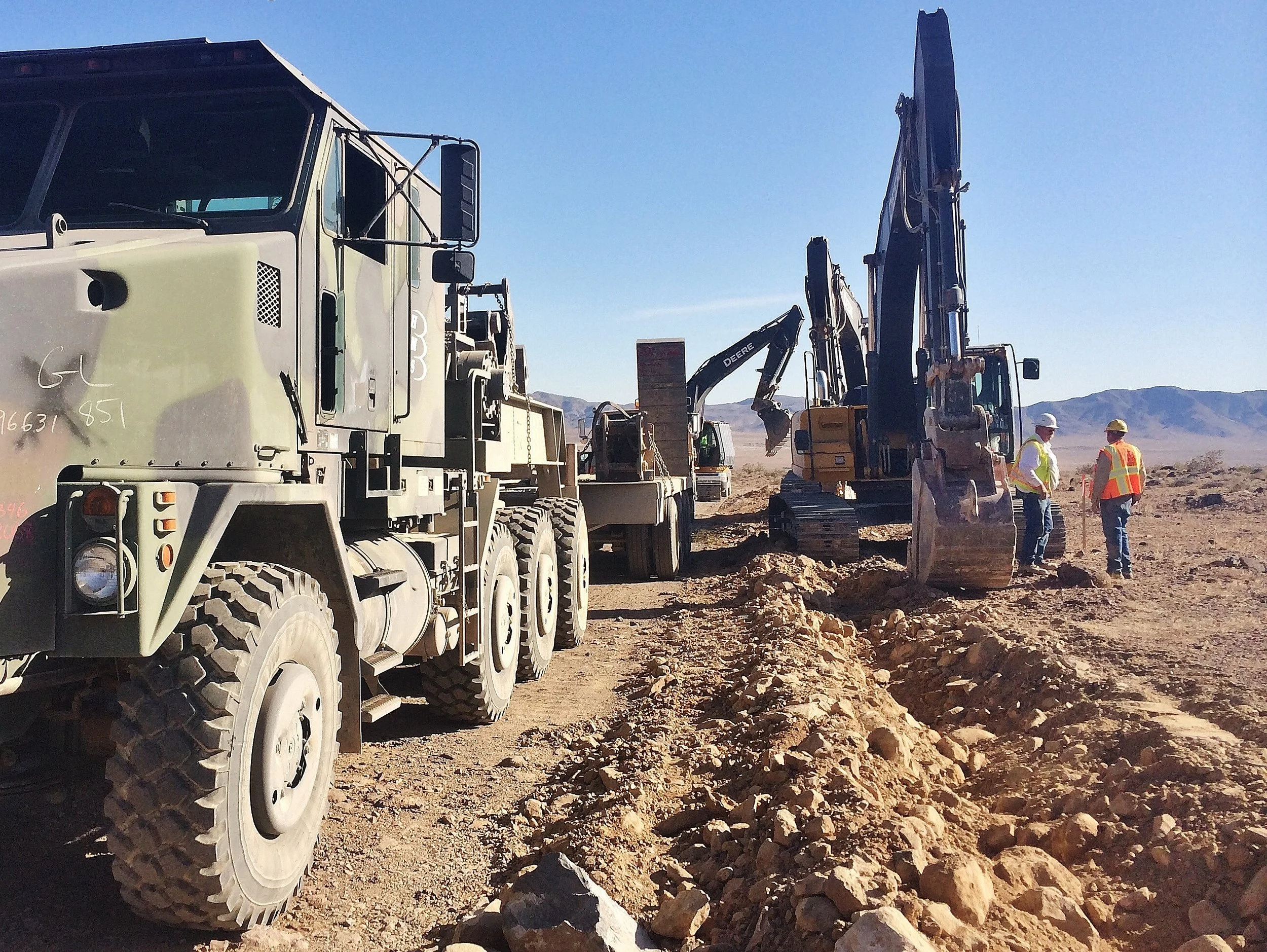
![Construction site with large trucks, excavators, dirt, and rocky terrain. Two workers wearing helmets and safety vests are present in the scene.]()
Federal Lands Management + Department of Defense Infrastructure
-
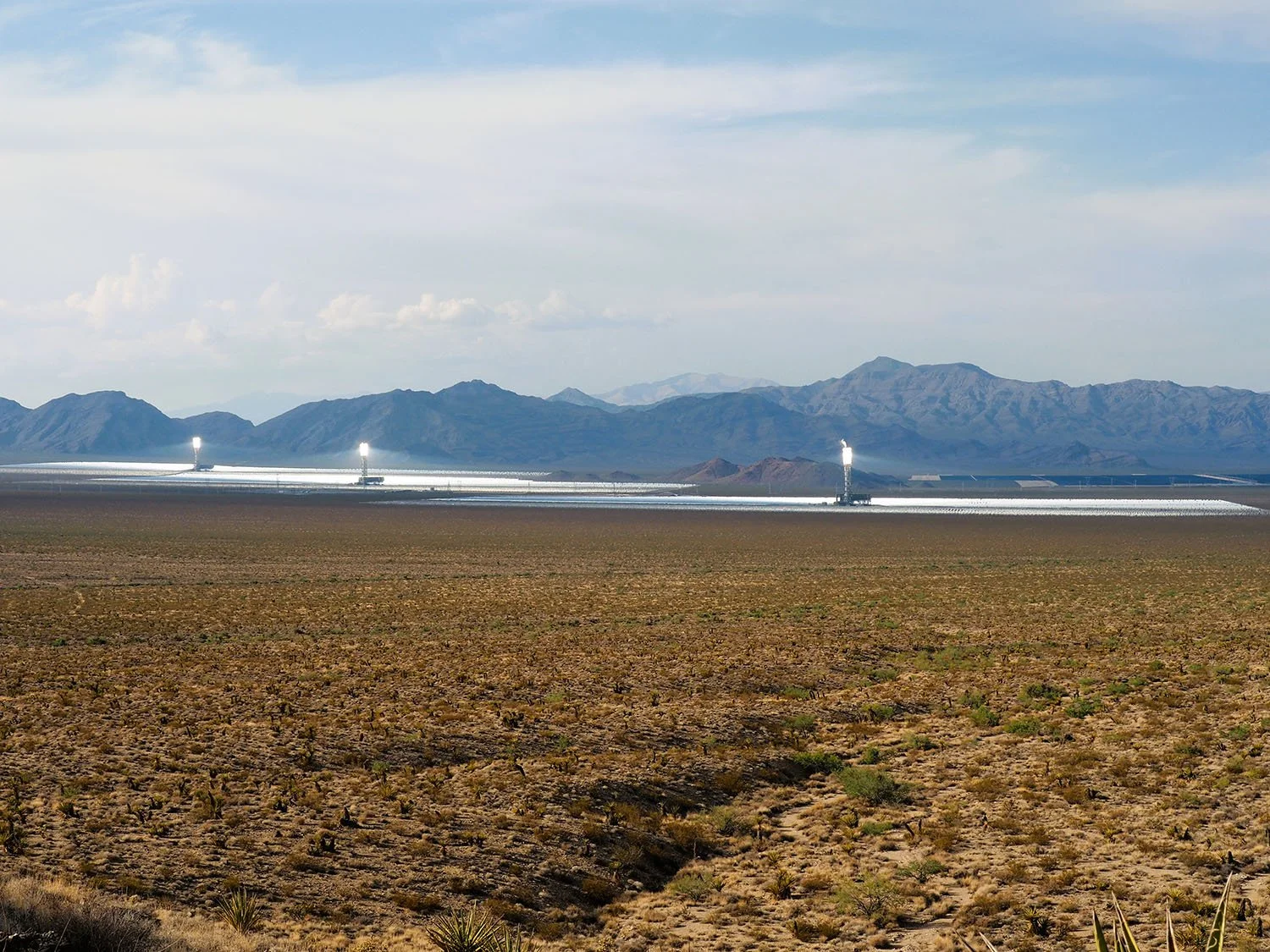
![A desert landscape with solar farms and mountains in the background.]()
Utilities: Energy Generation Facilities
-
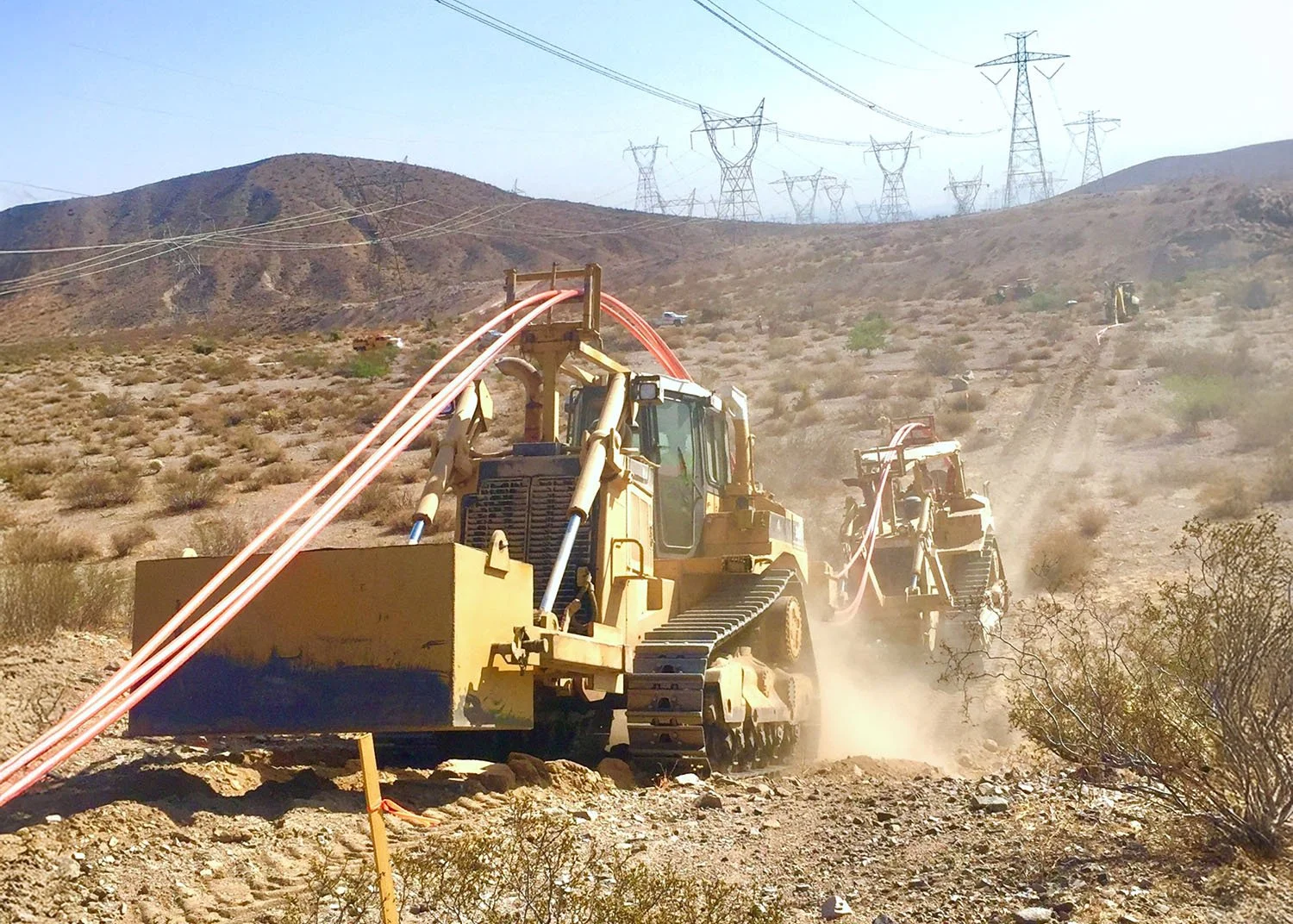
![Construction site in a desert landscape with large machinery drilling for pipelines, with power lines and hills in the background.]()
Utilities: Transmission Lines
-
![Close-up of a person holding a small, light-colored, textured reptile, possibly a gecko, on their fingers.]()
Biological Research + Conservation Projects
-
![Construction vehicle on a dirt road in a desert with mountains in the background.]()
Transportation Infrastructure