Biological Resources Support for Federal Lands + Department of Defense Infrastructure
Wilder Ecological personnel have consistently applied their expertise to biological surveys, monitoring, and research components in support of land management actions on Department of Defense military training bases as well as a NASA Jet Propulsion Laboratory installation in the Mojave desert region.
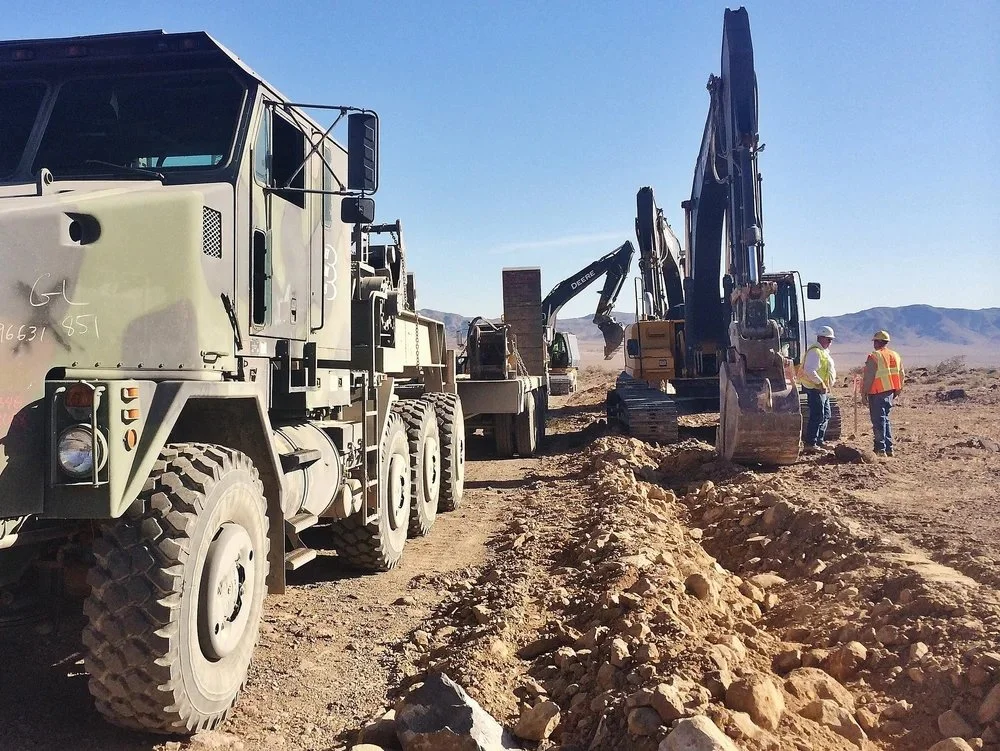
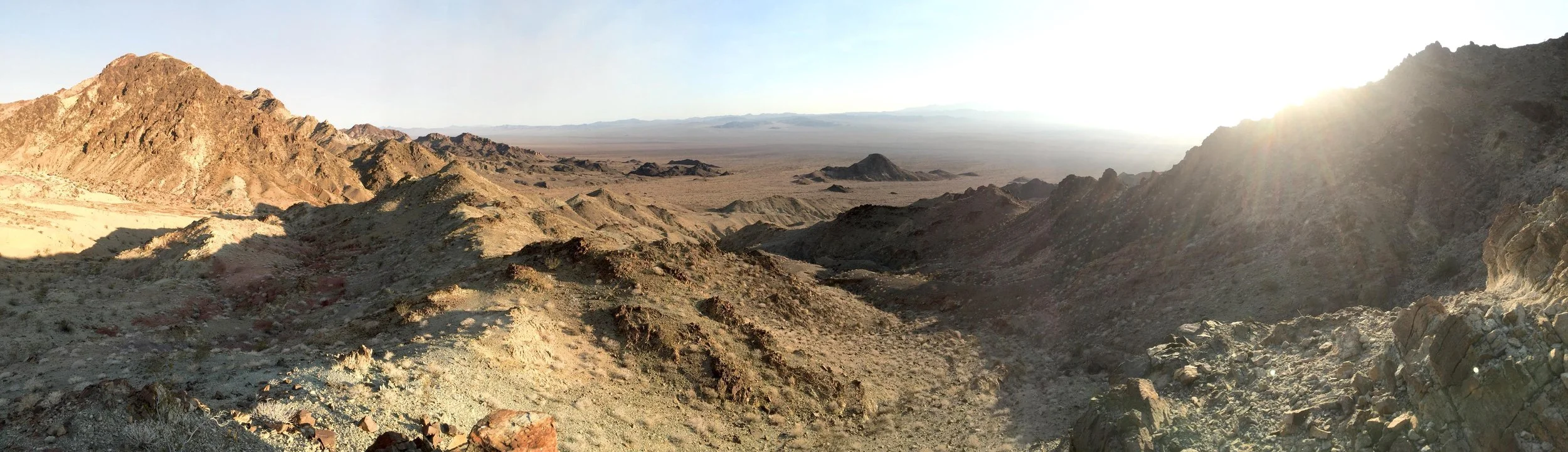
We have experience in efficiently scheduling and safely navigating access to restricted and remote training ranges and communications installations spanning over 2000 of square miles of harsh desert terrain.
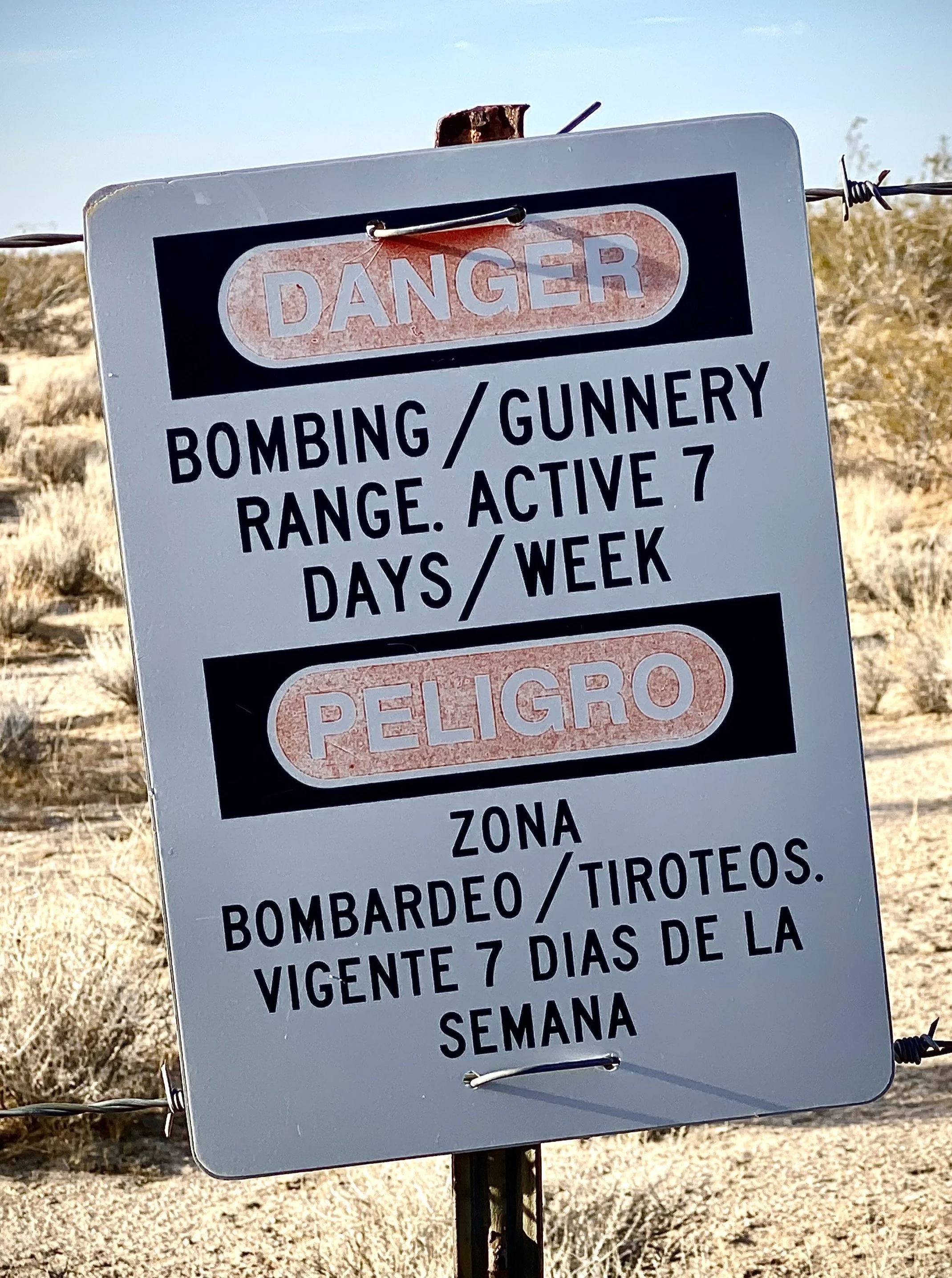
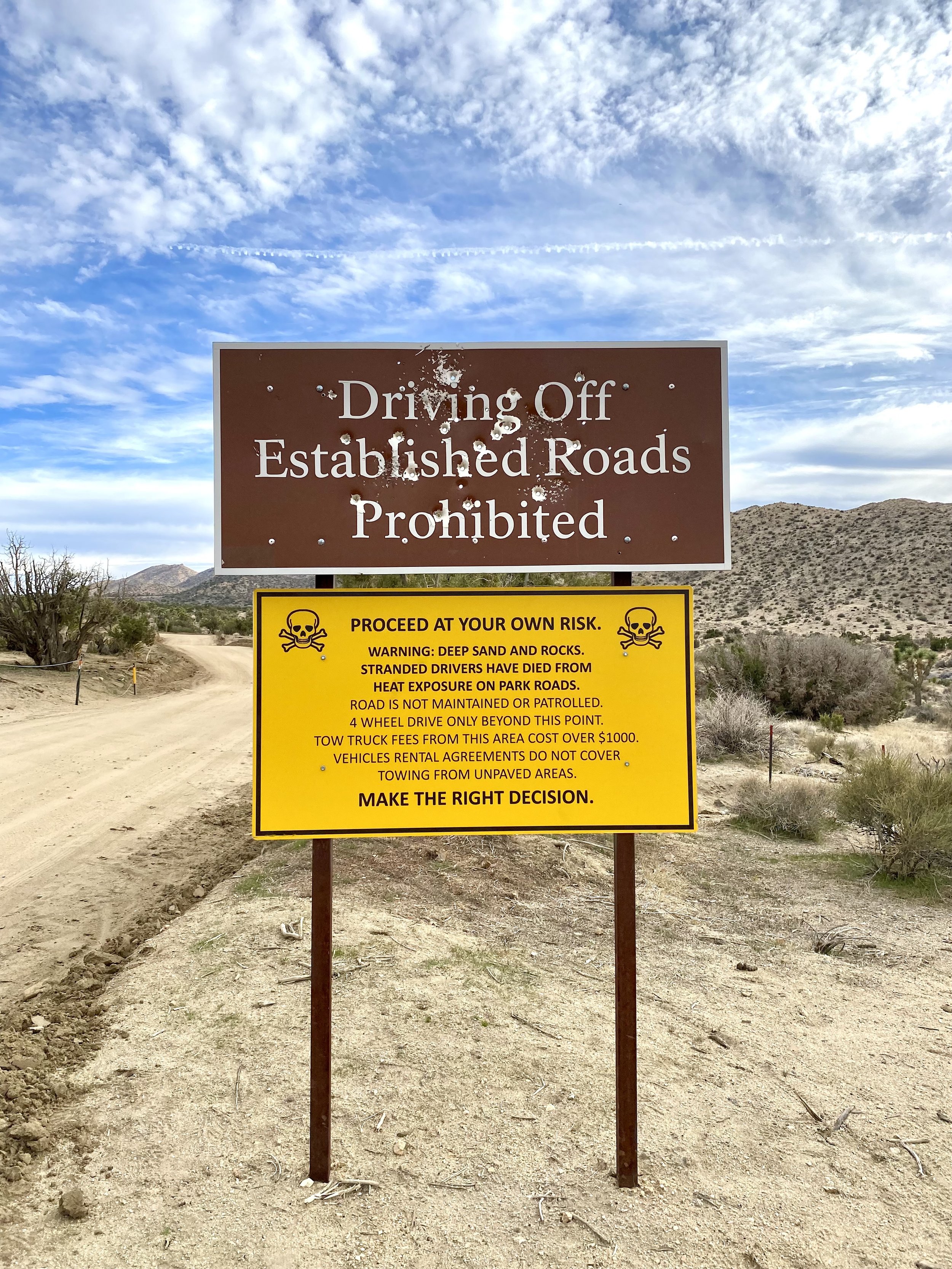
We understand through direct experience that biological consulting support for these land management projects demands a unique competence in logistics, range safety, and the professional capability to accomplish specialized tasks efficiently and successfully within dynamic access limits defined by live fire exercises and other sensitive training missions.
Our field leadership has been instrumental in facilitating biological resource compliance on several large military lands management actions, including the largest desert tortoise translocation ever completed (more than 1,200 tortoises moved), and the complete upgrade of Fort Irwin NTC communications tower infrastructure across 1,000 square miles on all ranges (20 towers).
Over the course of 20+ years of fieldwork on military installations, we have developed a roster of career desert biologists and associated researchers with decades of proven experience working safely in the field, year-round, down range, in restricted locations that are some of the most remote and least accessible lands in the lower 48 states.
See More Services
-
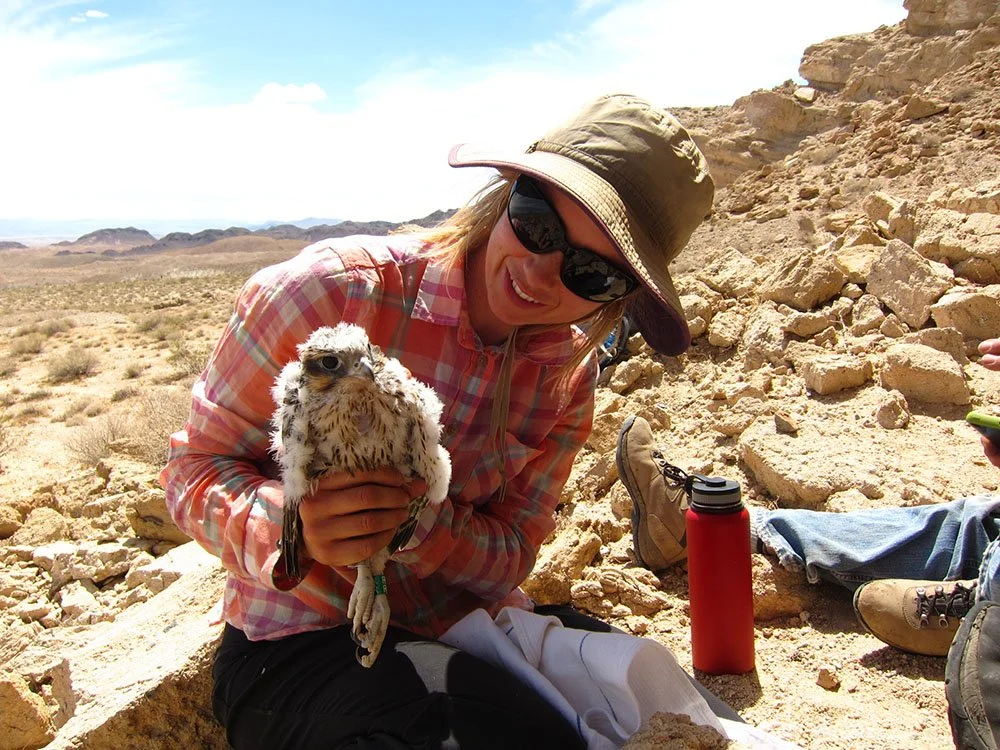
![A woman in outdoor gear, wearing a plaid shirt, hat, and sunglasses, sits on rocky terrain holding a small owl near her chest, with a desert landscape in the background.]()
Biological Surveys, Research + Reporting
-
![Close-up of a person's hand writing on paper filled with handwritten data in a table format.]()
Permit Compliance: Biological Assessments, Mitigation Plans, Reporting
-
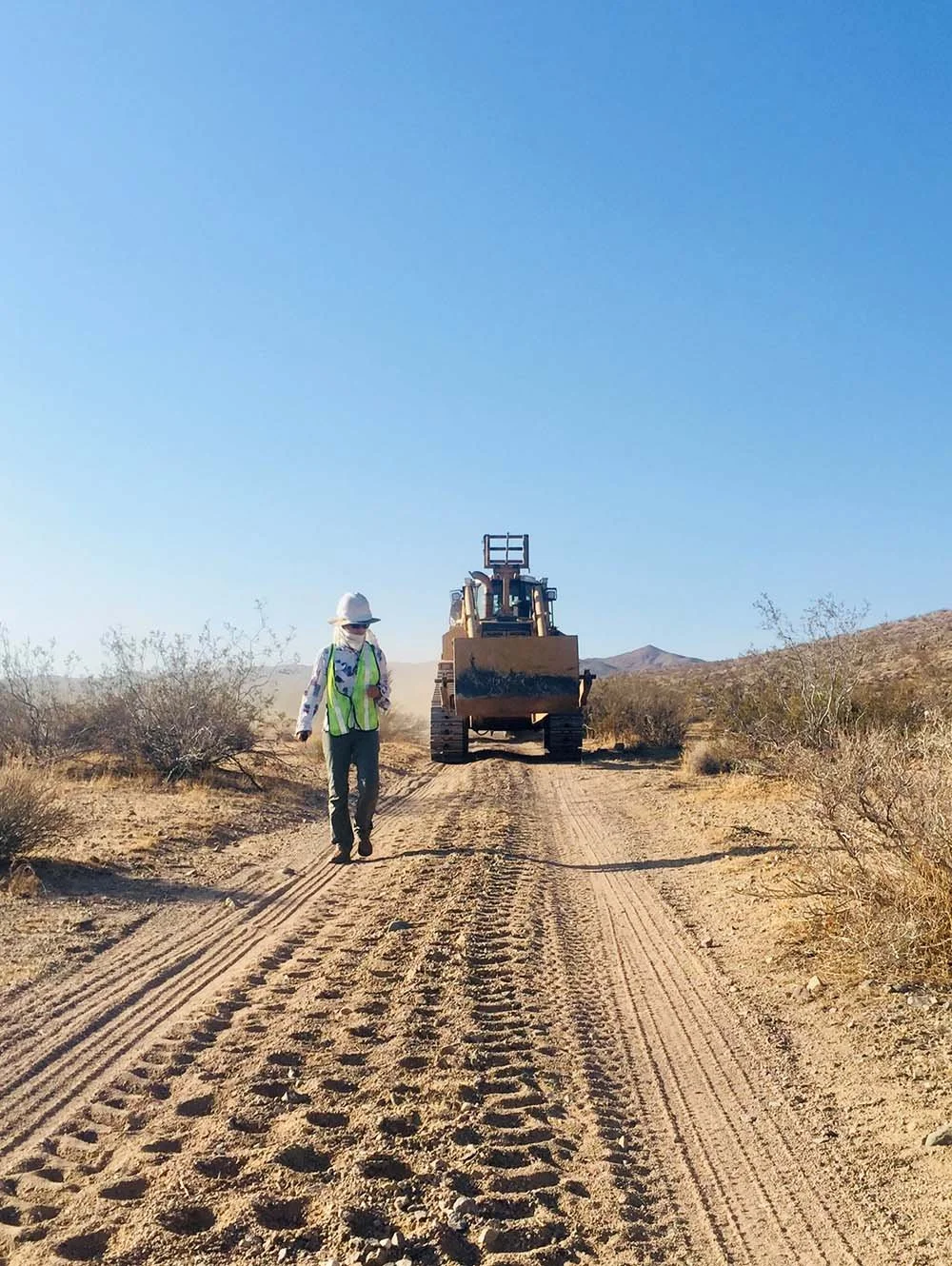
![A person wearing a safety vest and a wide-brimmed hat walking on a dirt trail in a desert landscape, with construction or earth-moving equipment in the background under a clear blue sky.]()
Construction Monitoring
-
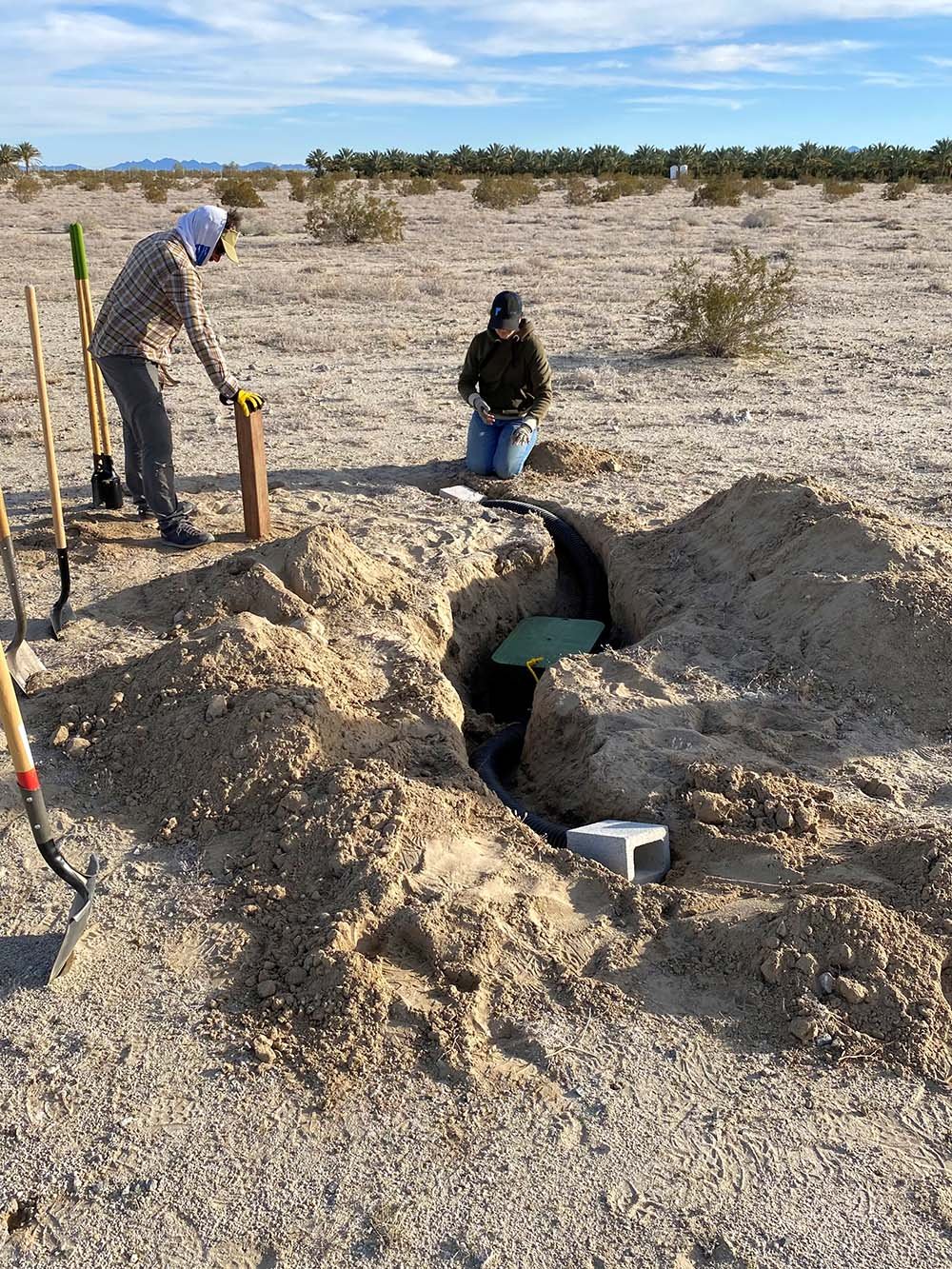
![Two people working outdoors in a desert landscape, installing underground utilities with shovels and equipment, surrounded by sand and sparse vegetation.]()
Specialized Mitigation for Listed + Sensitive Species
-
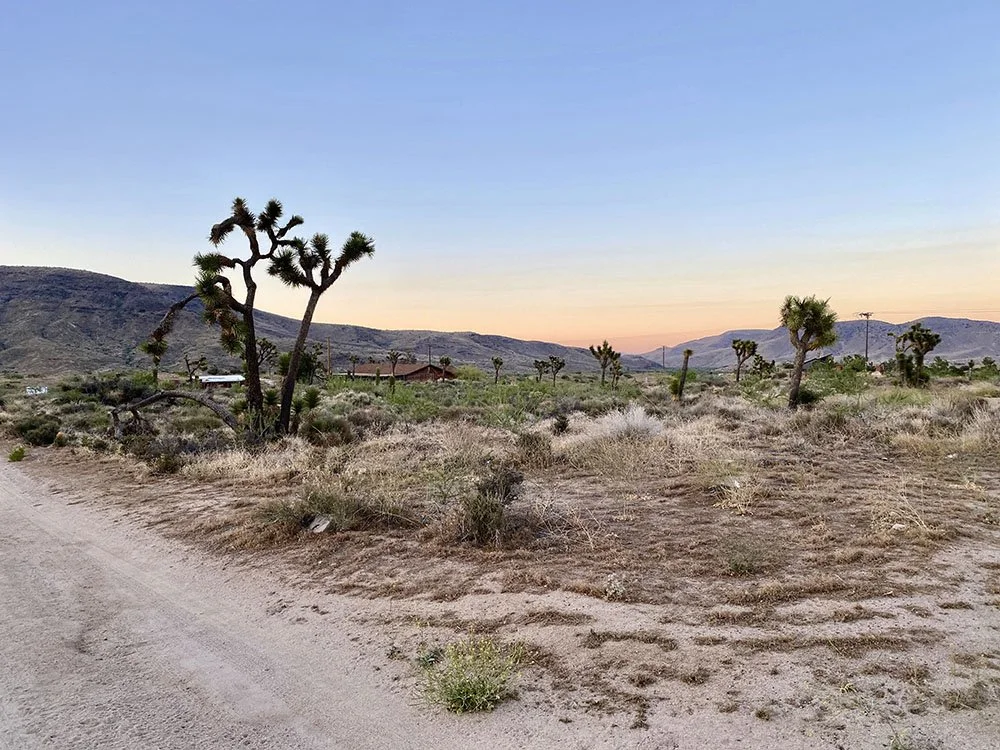
![Desert landscape with Joshua trees, dry grass, distant hills, and a clear sky during sunset or sunrise.]()
Permitting Support for Private Residential + Small Business