Transportation Infrastructure
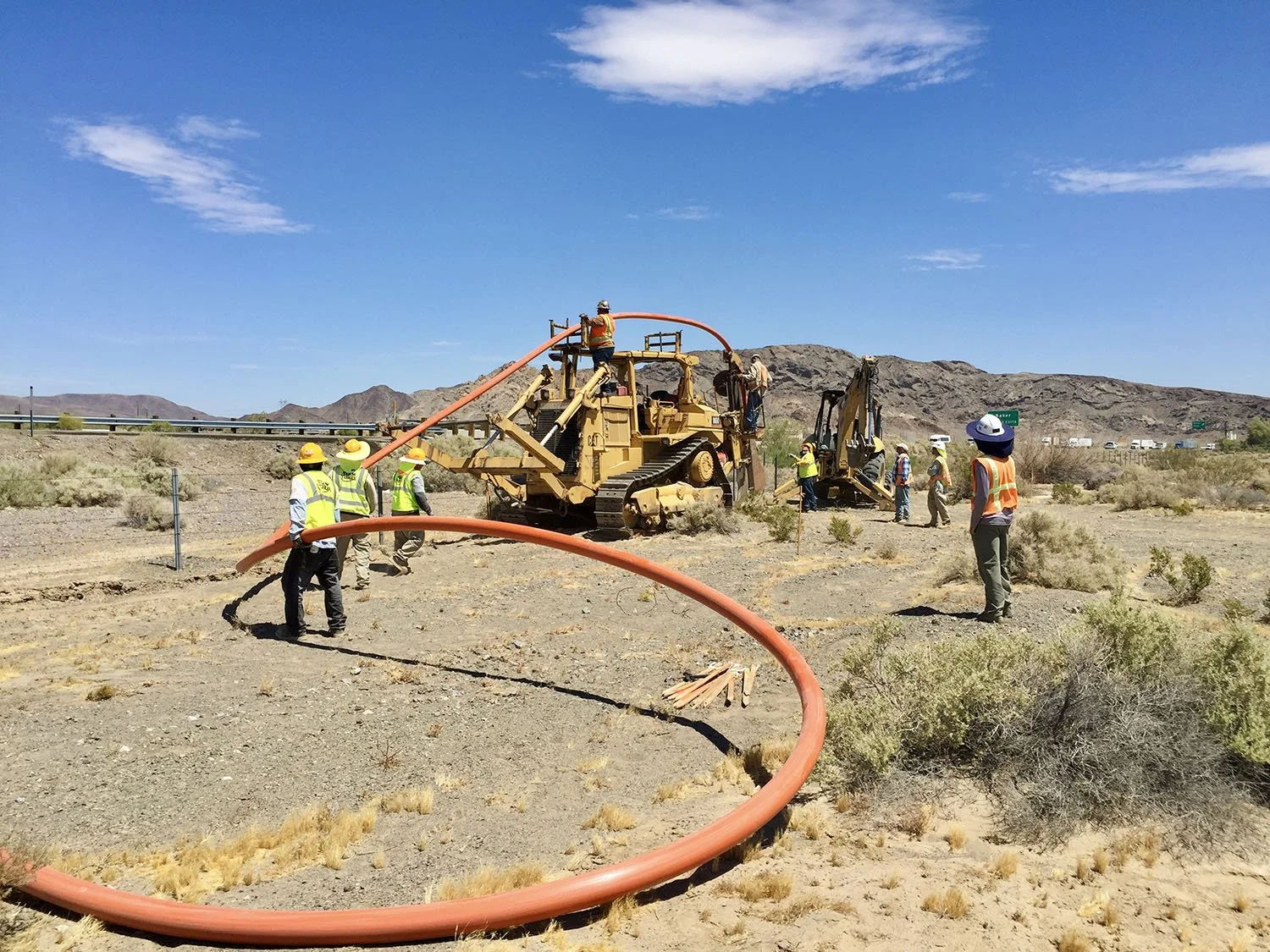
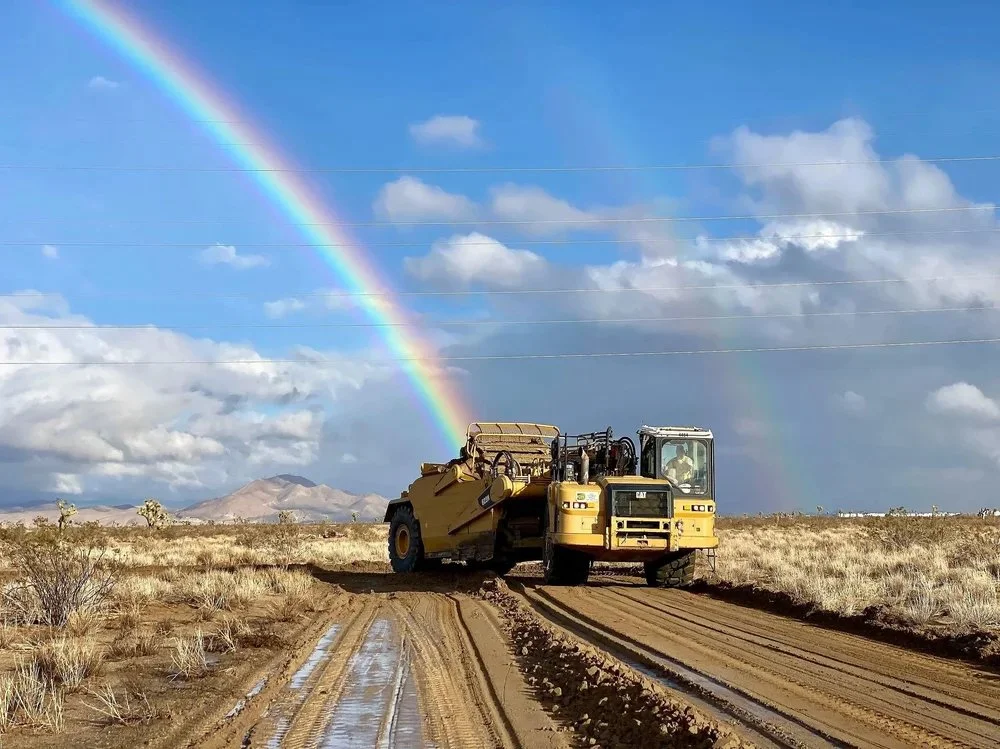
Transportation infrastructure projects can range in size and scope from improvements to drainage culverts under a graded rural road, to bridge retro-fitting activities, to dynamic and far-ranging construction on major interstate or rail line routes. Whereas small jobs on rough county roads may involve some simple linear surveys and a single biological monitor, larger projects can require multiple environmental consulting companies, each applying specific subject matter expertise.
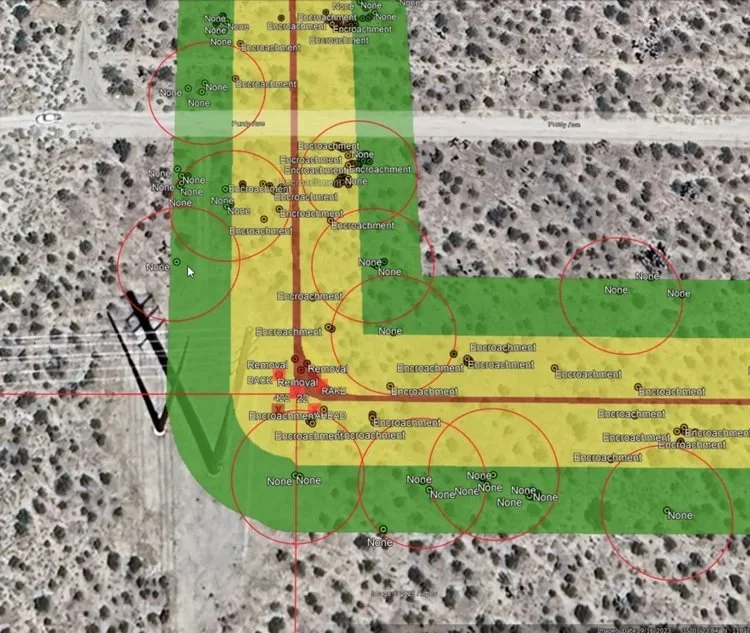
As linear projects, many longer routes are characterized by the regulatory complexities of layered permit jurisdictions and multiple agencies, where federal and state environmental laws are often intertwined in permit compliance. In addition, transportation projects can span multiple environments, requiring expertise in the flora and fauna of waterways, deserts, and mountain systems. It is rare that any one company has the in-house talent to address such diversity, and sub-consultants are usually brought on to address specific aspects.
As with utility transmission projects, many transportation routes are defined by a relatively narrow, permitted Right-of-Way (ROW) that constrains areas available for work activities. This presents unique logistical hurdles during construction and maintenance operations, and it also means linear routes are uniquely vulnerable to buffer constraints associated with even a single-point discovery of sensitive biological resources. One protected bird nest with a 250-foot no-disturbance buffer can halt progress on a two-lane rural road construction project while further complicating the workflow for trades teams already hampered by limited working areas within a project ROW.
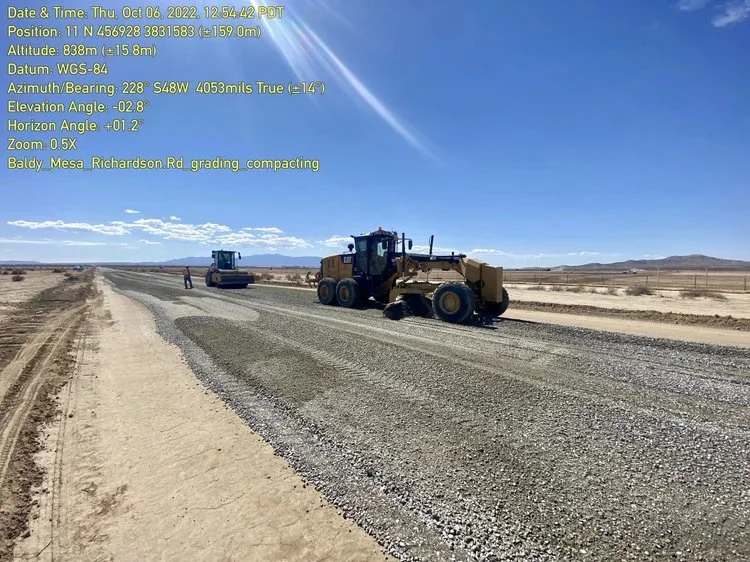
In the field on active linear jobs, environmental compliance monitors are subject to many of the same job hazards that threaten trades workers because the limited work areas often confine all parties and prevent optimal distancing from kinetic activities. Examples can include overhead work with cranes and helicopters, energized lines under tension, pressurized pipes, explosive gases, speeding vehicles, and limited mobility amidst multiple machines operating in a constrained ROW.
Agency-authorized monitors, with years of region and industry-specific experience, can be invaluable team members that contribute to job site safety and assure project momentum is not interrupted by unexpected biological resource challenges.
See More Sectors
-
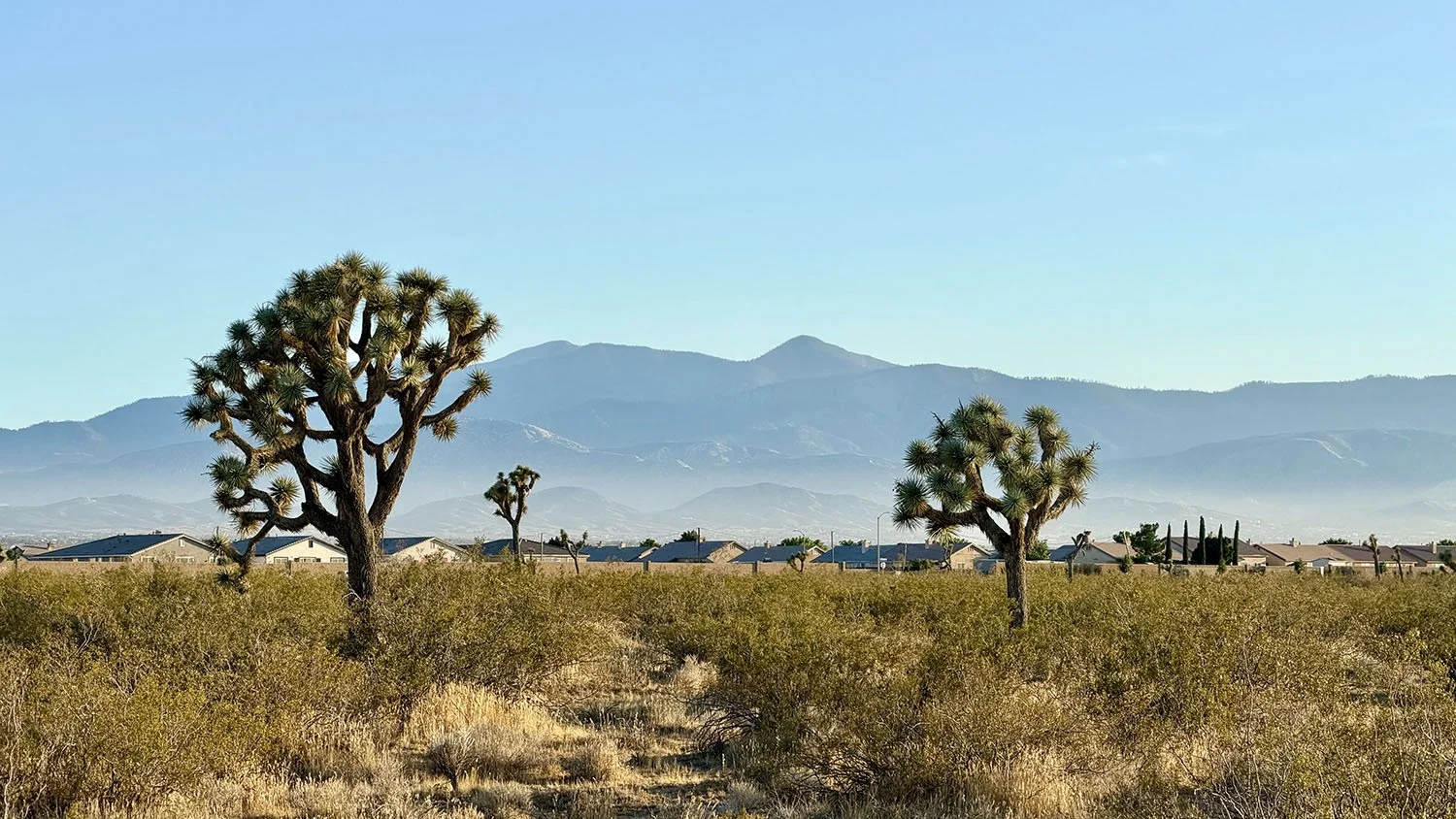
![Desert landscape with Joshua trees, small bushes, distant houses, and mountains in the background under clear sky.]()
Private Residential + Small Business
-
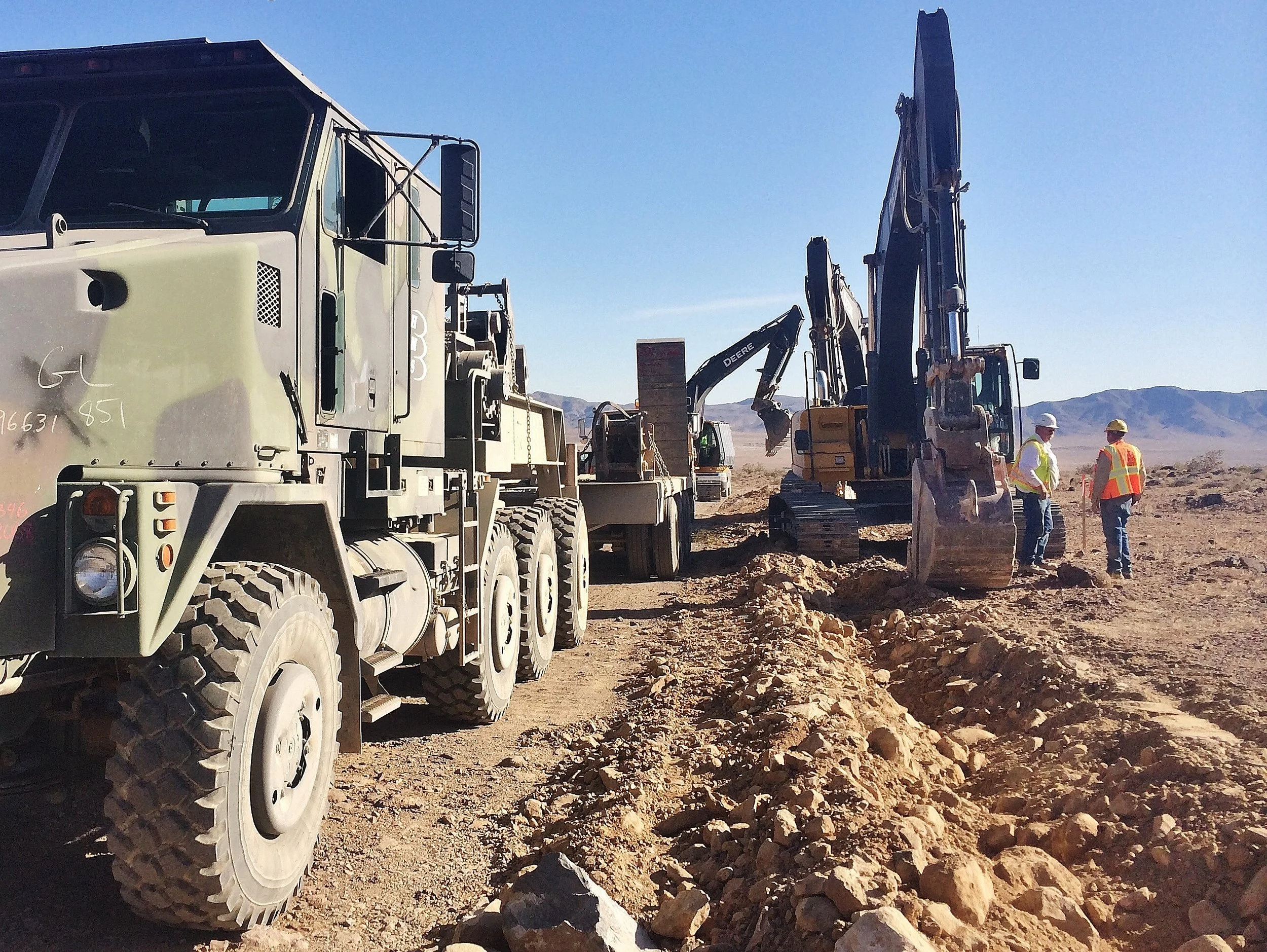
![Construction site with large dump trucks and excavators, with two workers wearing safety vests and helmets, working on the dirt ground under a clear blue sky.]()
Federal Lands Management + Department of Defense Infrastructure
-
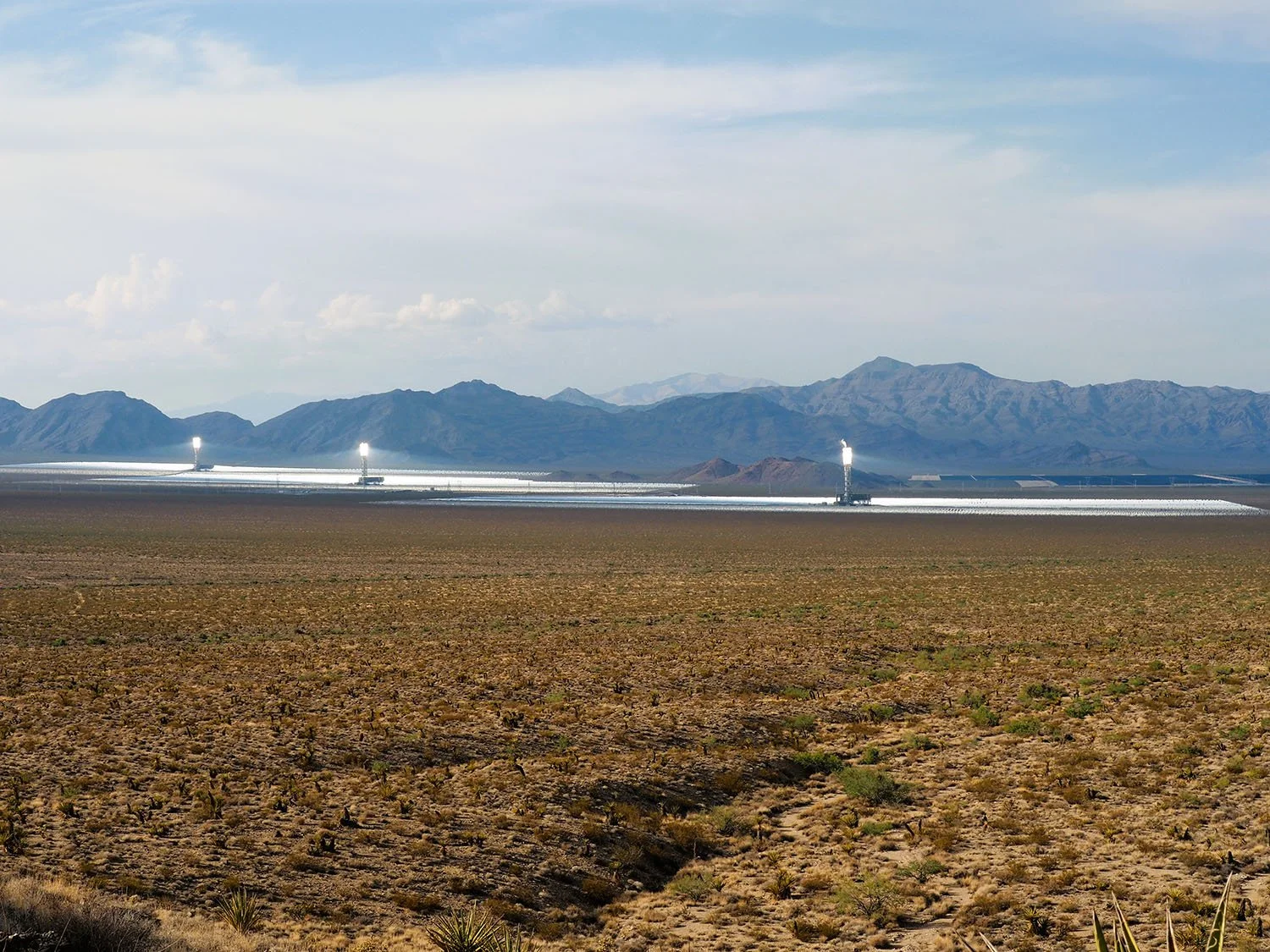
![A desert landscape with dry shrubs and cacti in the foreground, salt evaporation ponds with white surfaces and wind turbines in the middle ground, and mountain ranges with cloudy skies in the background.]()
Utilities: Energy Generation Facilities
-
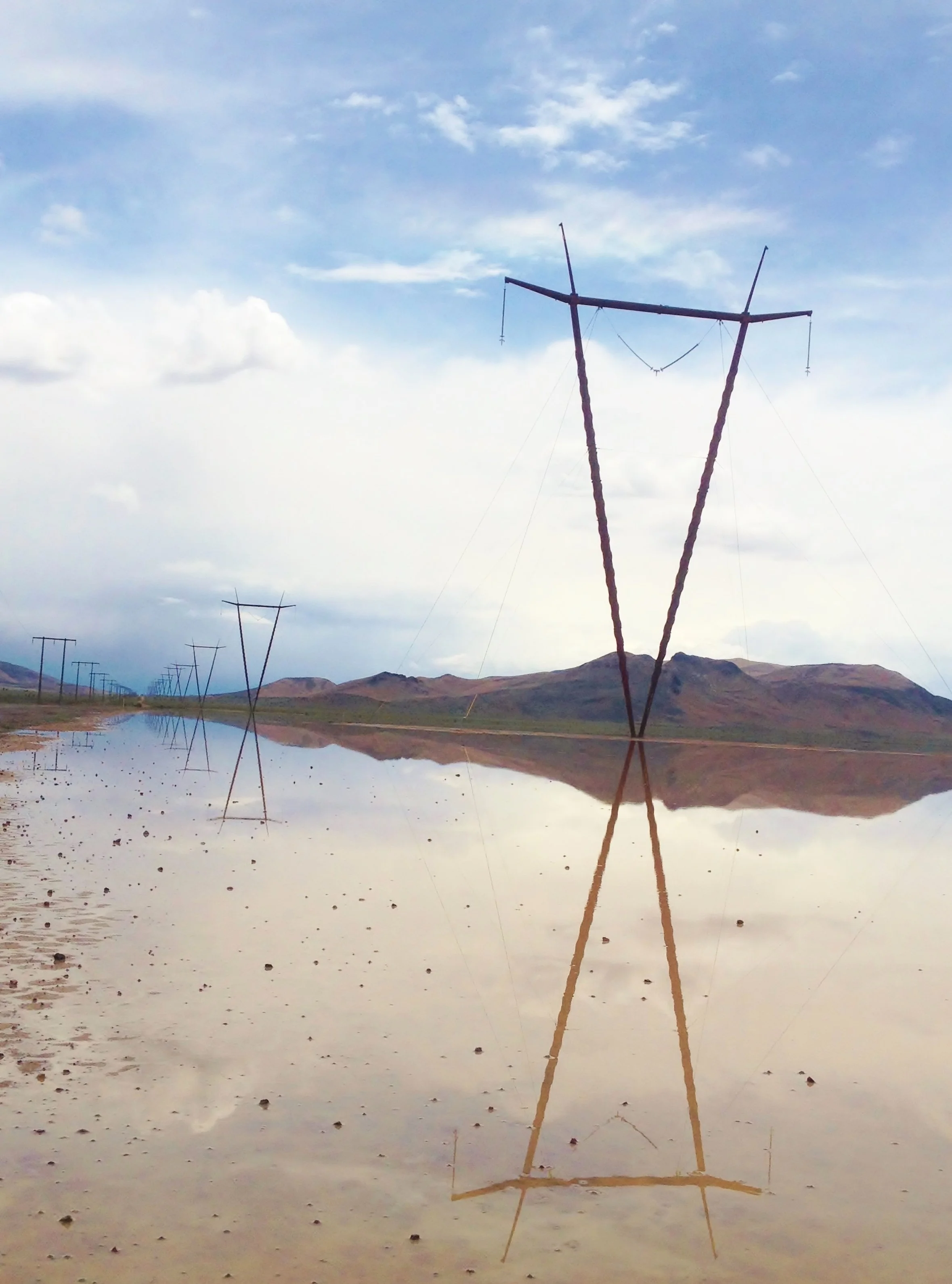
![Reflection of a tall, wooden, Y-shaped utility pole with wires hanging from it in a body of water with mountains and a partly cloudy sky in the background.]()
Utilities: Transmission Lines
-
![Close-up of a person holding a small, gray, textured lizard, possibly a gecko, on their fingers.]()
Biological Research + Conservation Projects
-
![Construction workers and machinery working on a pipeline in a desert landscape under a blue sky.]()
Telecommunications Infrastructure