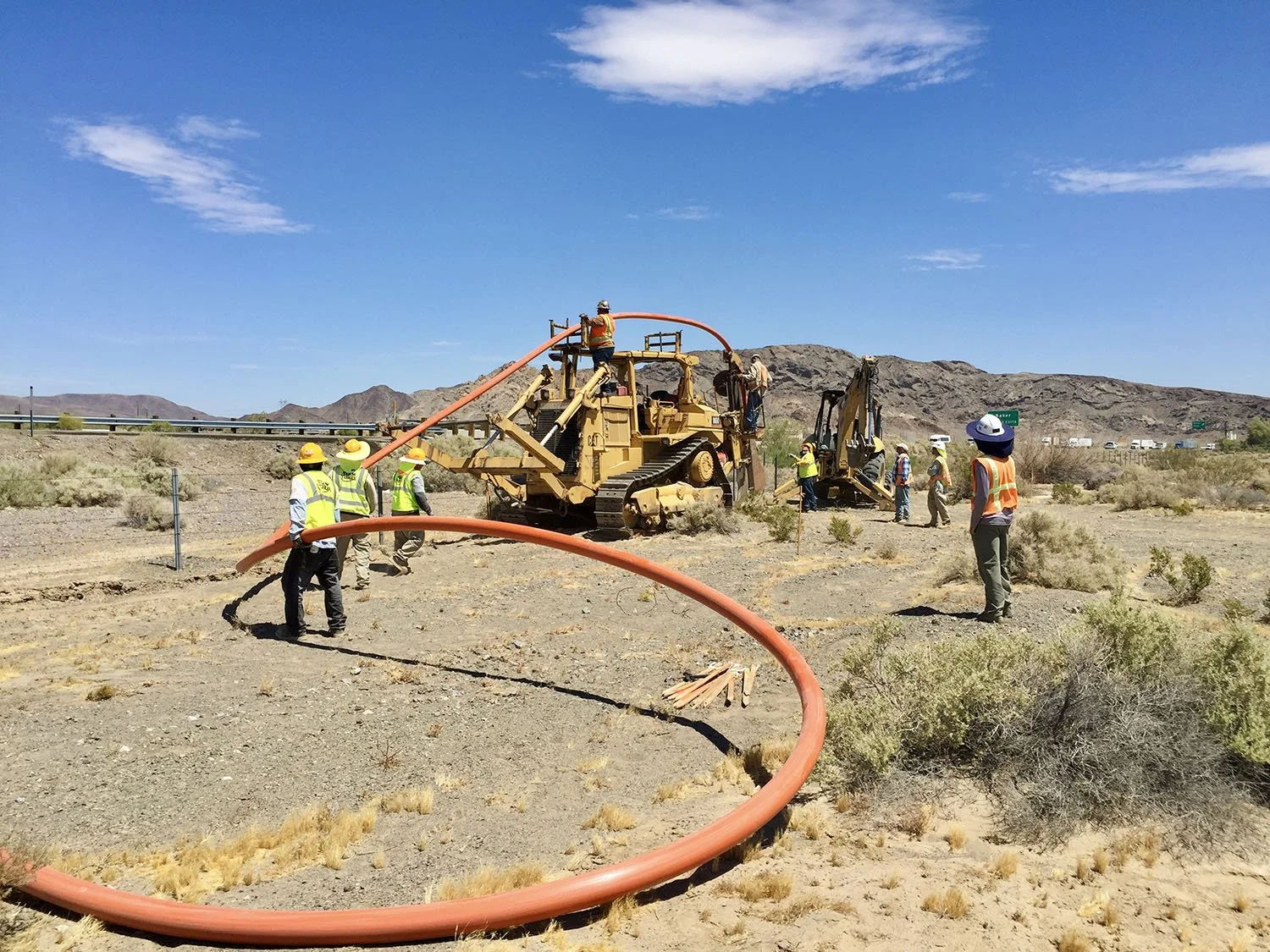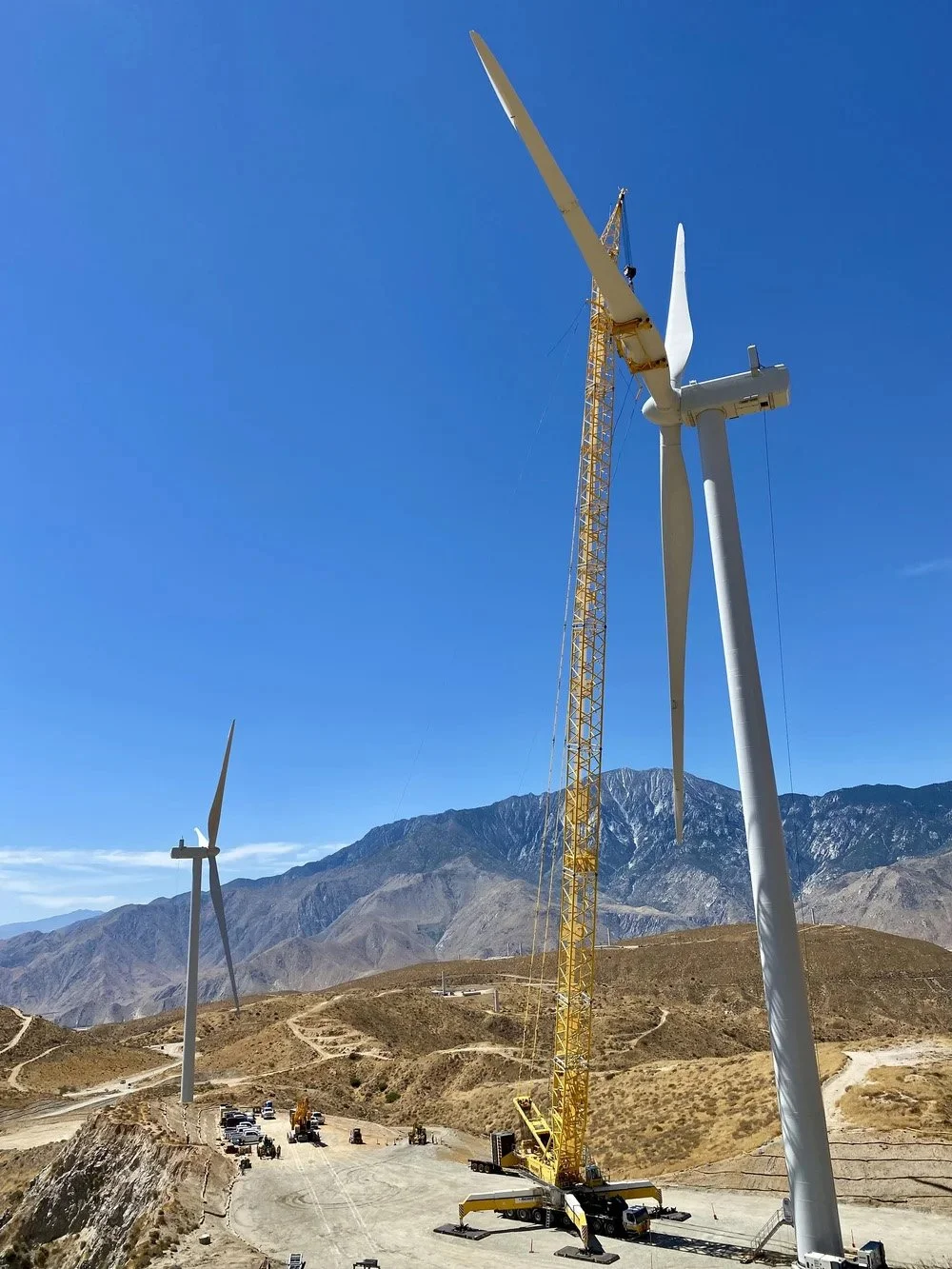
Energy generation facilities such as solar fields, natural gas power plants, geothermal plants, and wind farms are often large in scale, both in the actual acreage of the project footprint and in the breadth of regulatory compliance needed during construction and operation.
Utilities: Energy Generation Facilities
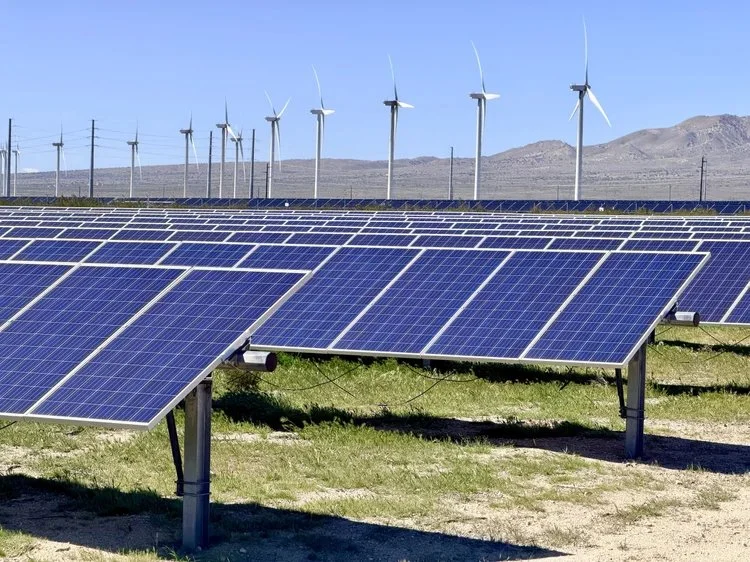
In the desert southwest, such facilities have often been sited on federally-owned land (NEPA, and associated federal laws, administered primarily by the Department of the Interior, often through the Bureau of Land Management).
More recently, new construction has increasingly been sited on private land, even in states dominated by federal land ownership. Private parcels then face overlapping layers of state and federal law, which can present additional challenges. Regardless of the underlying ownership and jurisdiction, energy companies often need subject matter experts to help navigate environmental compliance requirements while maintaining project timelines.
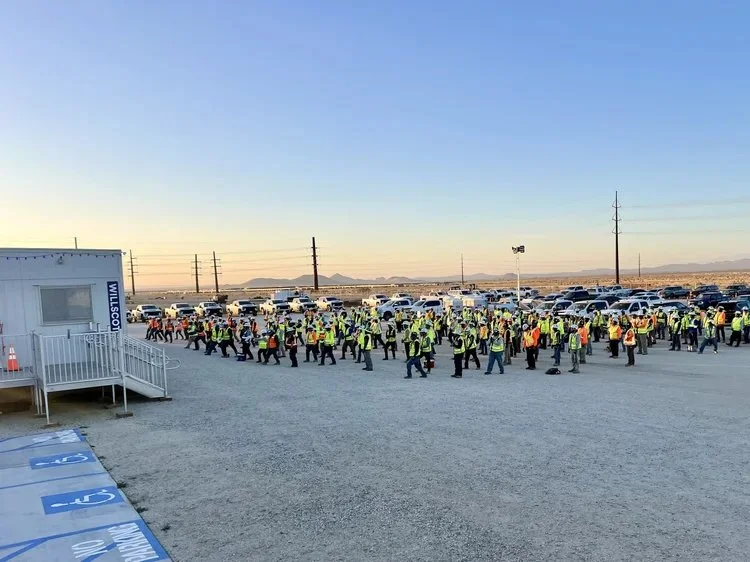
This is especially true during the construction phases of a project, when the mobilization and coordination of hundreds of workers, with the associated equipment and materials, represents a significant commitment of time and resources.
Construction delays and unexpected plan changes can be extremely costly, and the complexity of overlapping permits, each with specific mitigation measures, can present a formidable array of potential biological resource choke points. It often takes teams of several environmental compliance specialists working together to manage a successful timeline.
See More Sectors
-
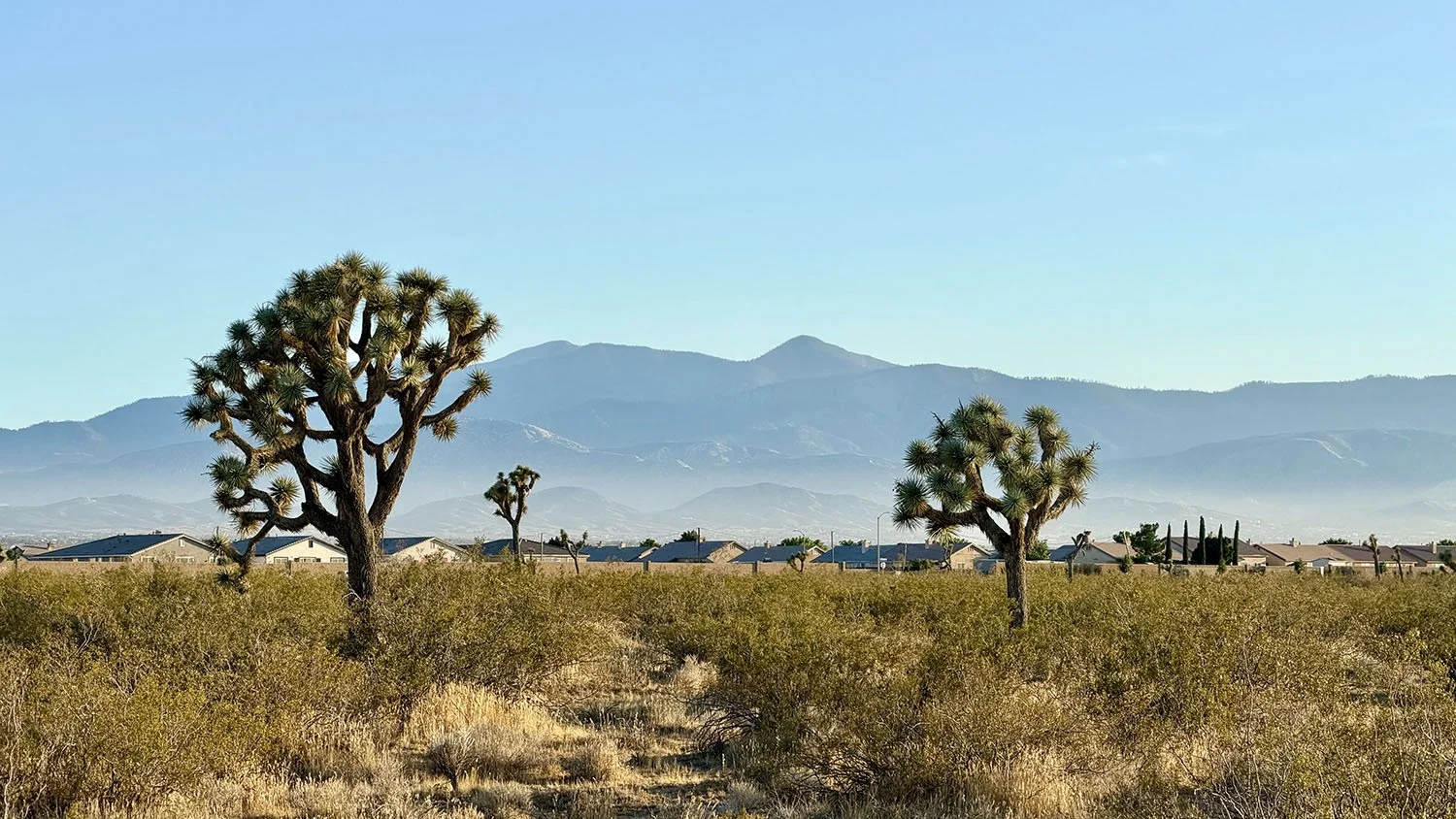
![Desert landscape with Joshua trees, shrubs, and houses in the foreground, mountain range in the background, clear blue sky.]()
Private Residential + Small Business
-
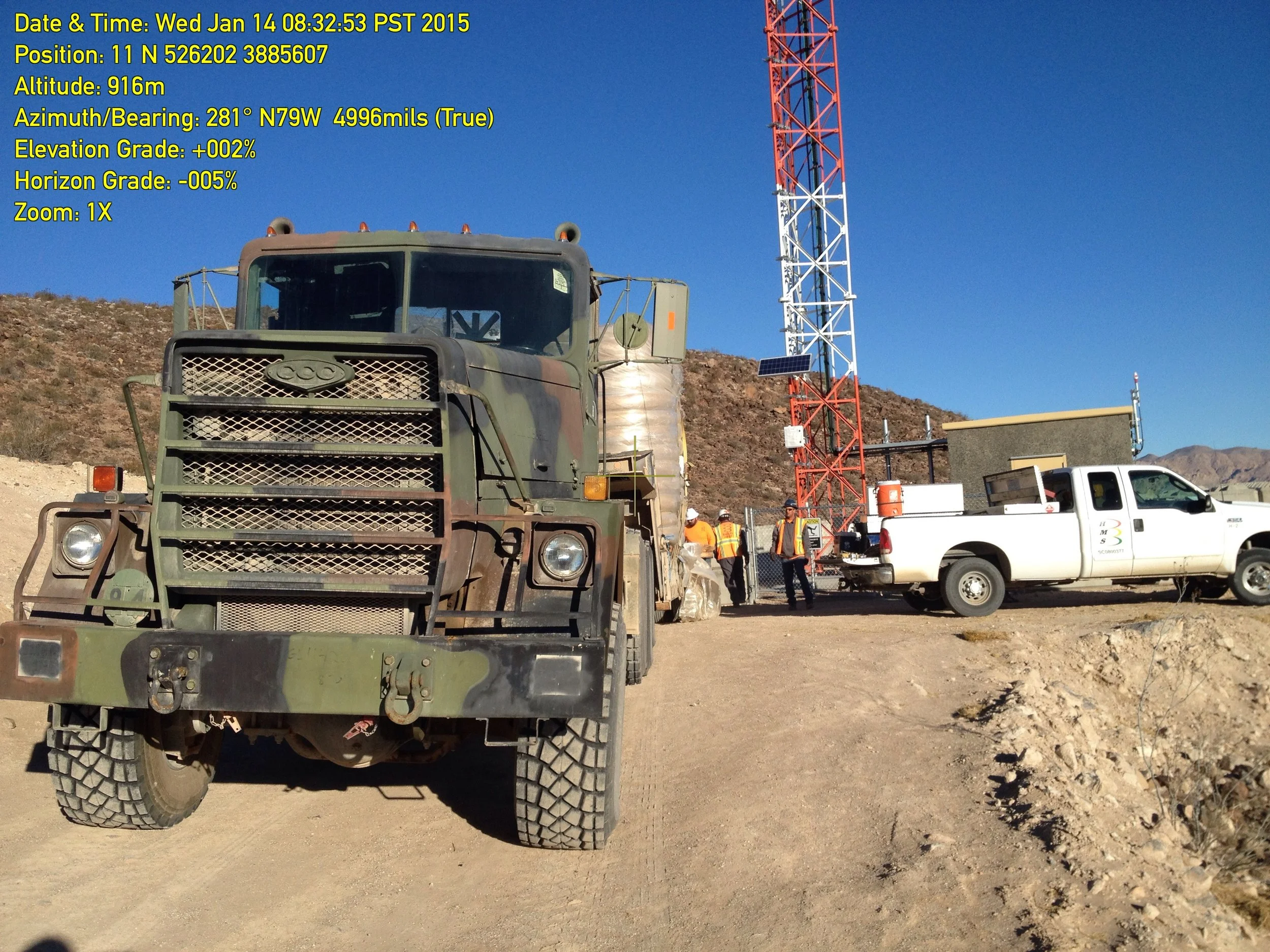
![A military truck parked on a dirt road with a water tank on its back, near a telecommunications tower, in a desert landscape with mountains in the background. Several construction workers are visible near the truck and the tower.]()
Federal Lands Management + Department of Defense Infrastructure
-
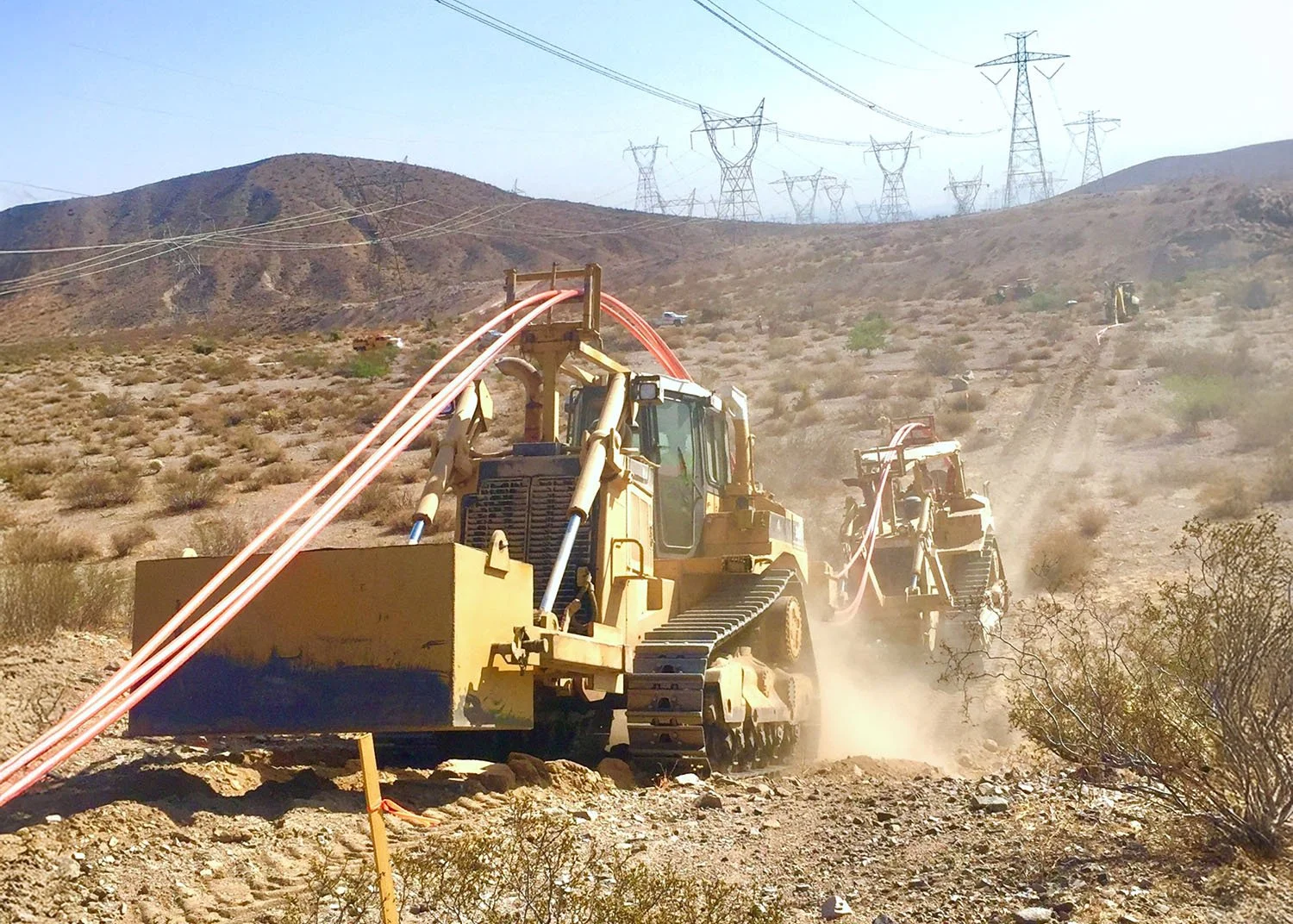
![Heavy machinery working on a dry, rocky hillside with hoses connected to a water source, dust rising, and power lines in the background.]()
Utilities: Transmission Lines
-
![Close-up of a small, pale-colored gecko resting on a person's fingers.]()
Biological Research + Conservation Projects
-
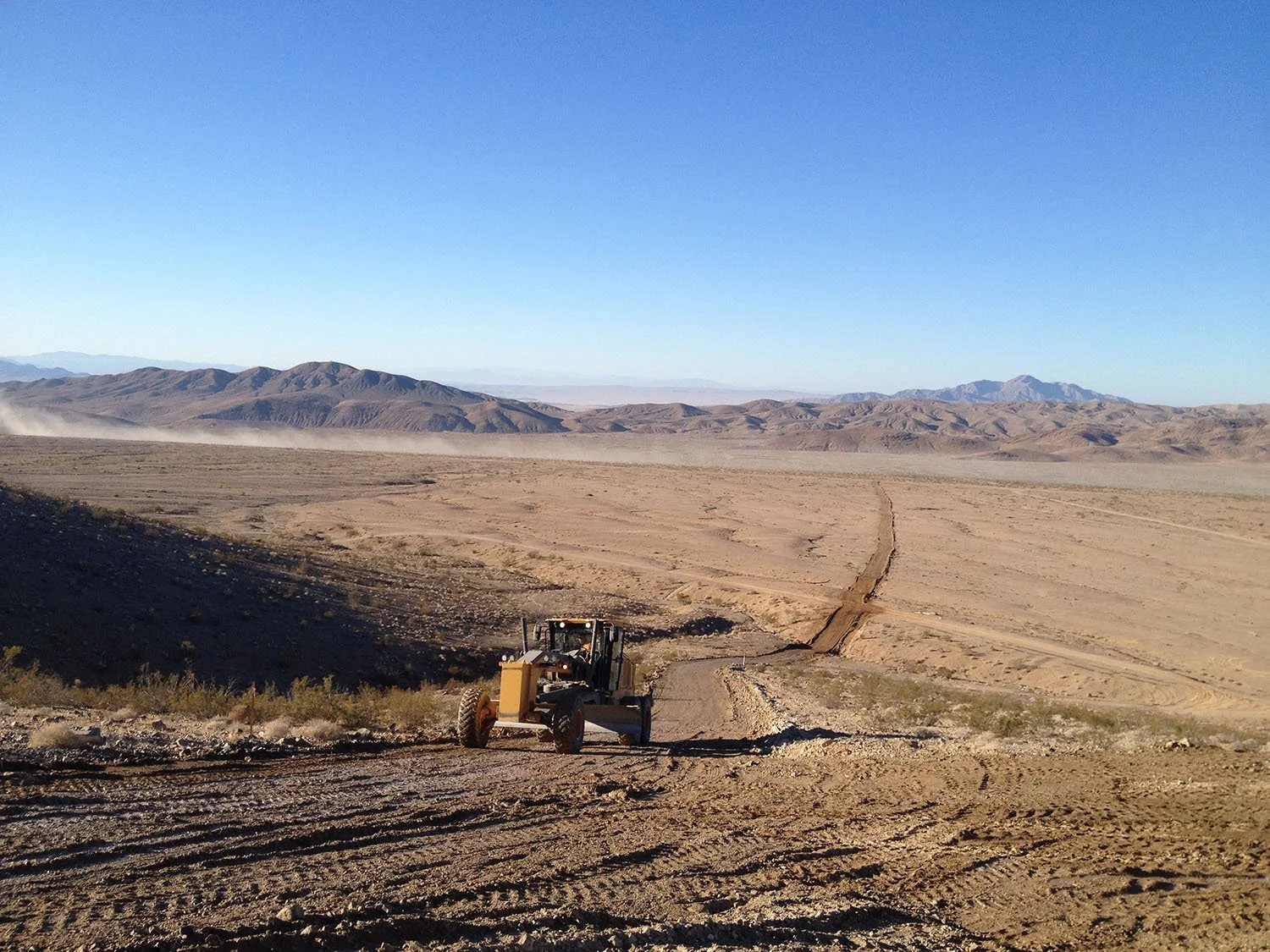
![A bulldozer working on a dirt road in a desert landscape with mountains in the background under a clear blue sky.]()
Transportation Infrastructure
-
![Construction workers in safety gear operating heavy machinery and handling large orange pipes in a desert landscape with mountains in the background.]()
Telecommunications Infrastructure