Utilities: Transmission Lines
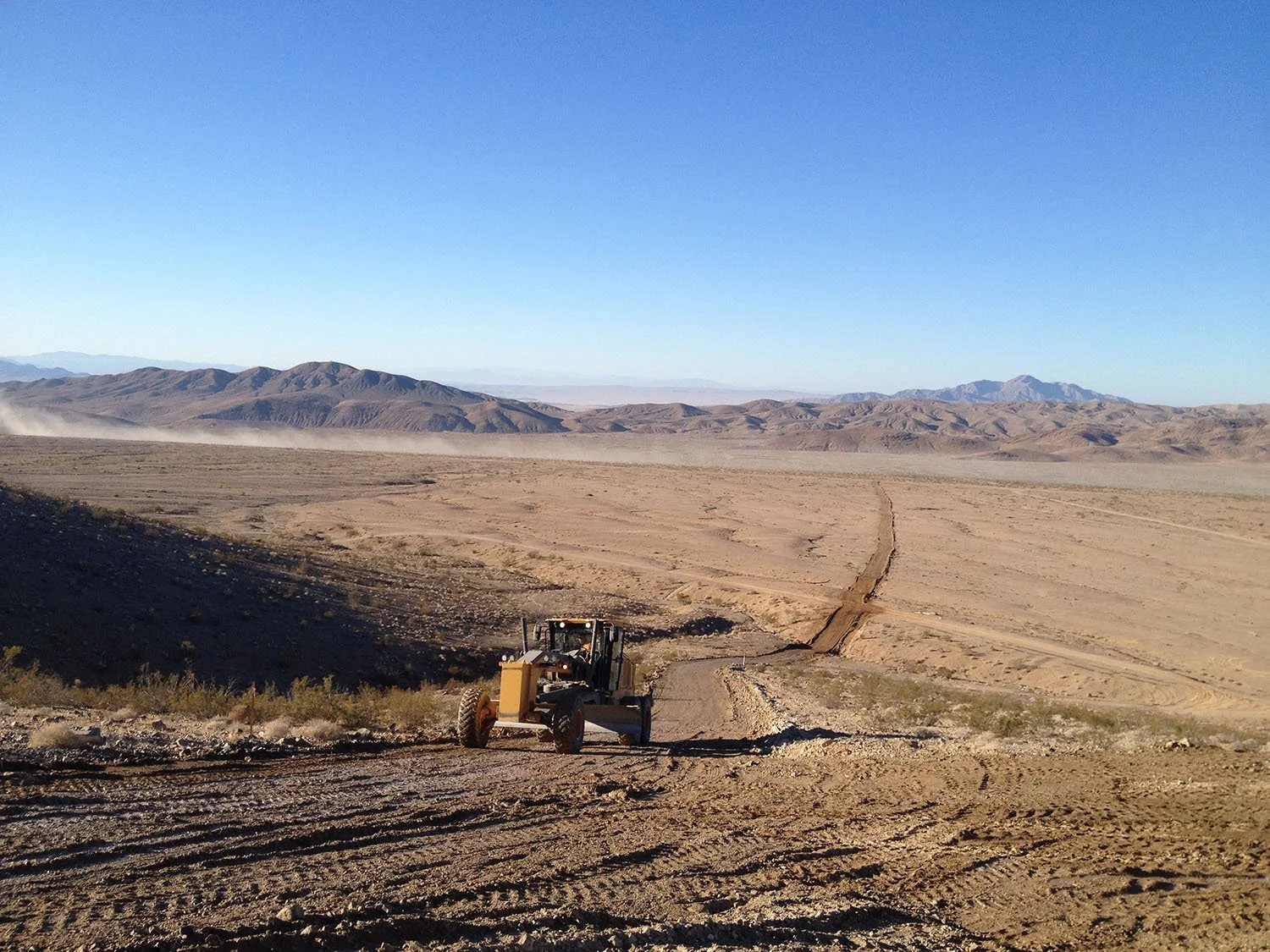
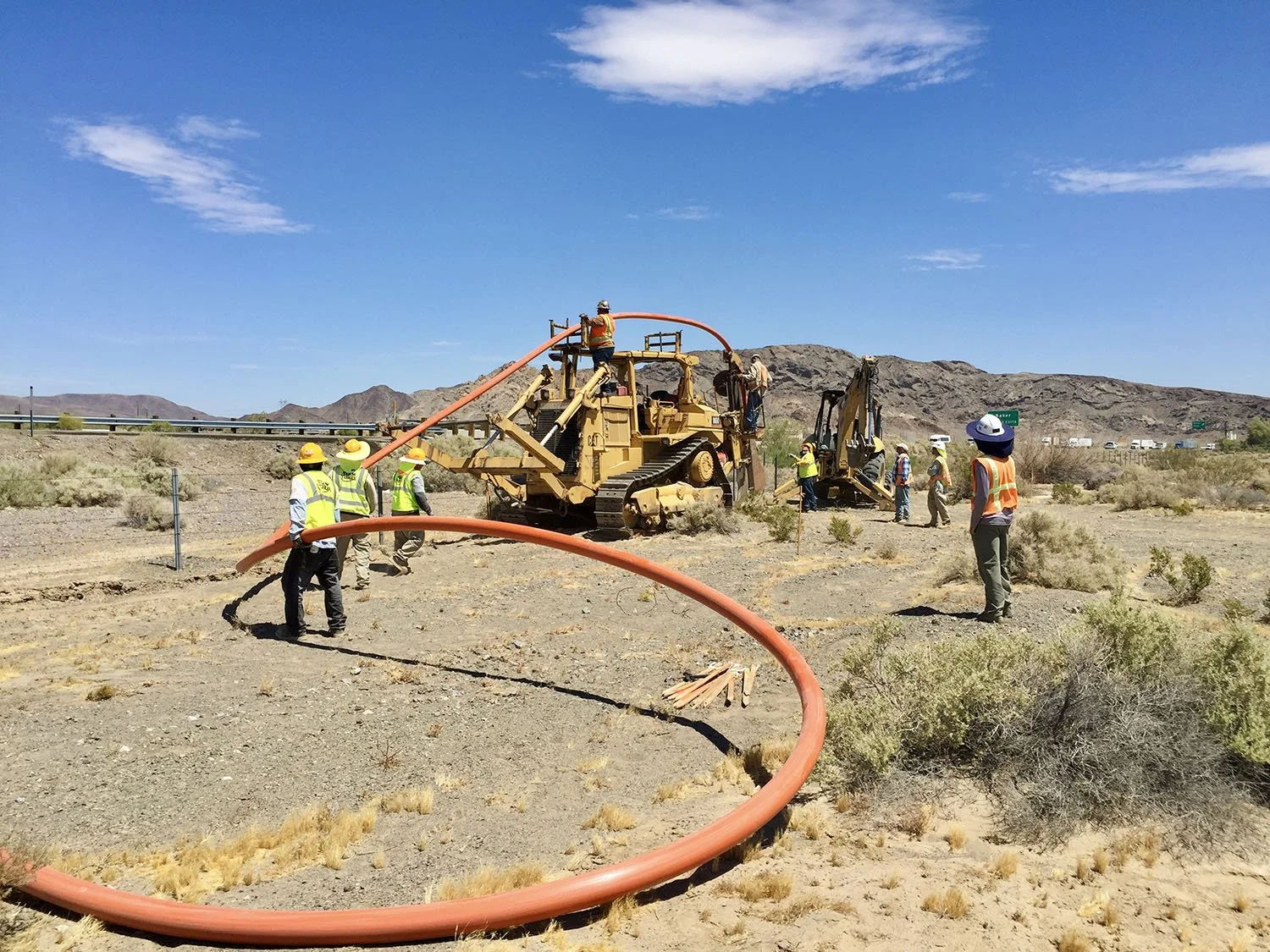
Utility transmission lines – natural gas, electrical, water, fiber optic – span thousands of linear miles across federal, state, tribal, and private lands throughout the US southwest. Most are subject to environmental permitting regimes from multiple jurisdictions, and as a result some of the longer transmission routes can be the most complex projects in terms of permit compliance.
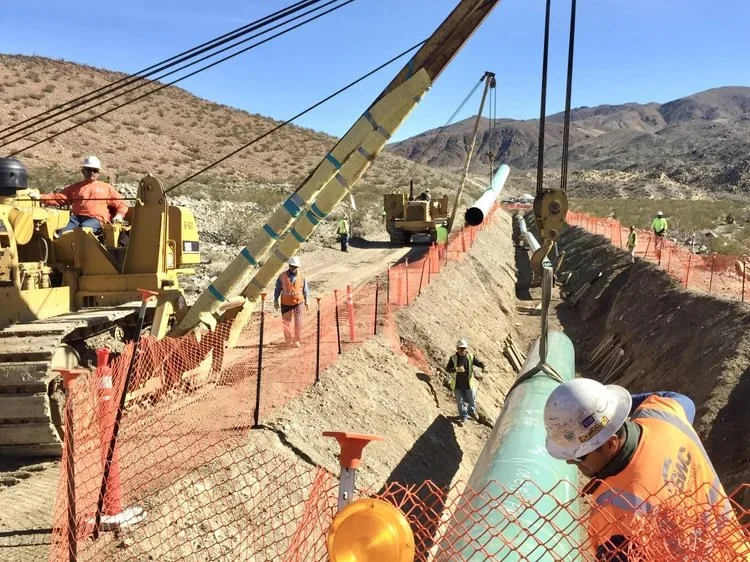
Working within project permit limits often means containing activities to leased work areas (a Right-of-Way; ROW) that can be as narrow as 20 feet in width.
This presents unique logistical hurdles during construction and maintenance operations, and it also means utility lines are uniquely vulnerable to buffer constraints associated with even a single-point discovery of sensitive biological resources. One protected bird nest with a 250-foot no-disturbance buffer can slow progress and further complicate the workflow for trades teams already hampered by limited working areas within a project ROW.
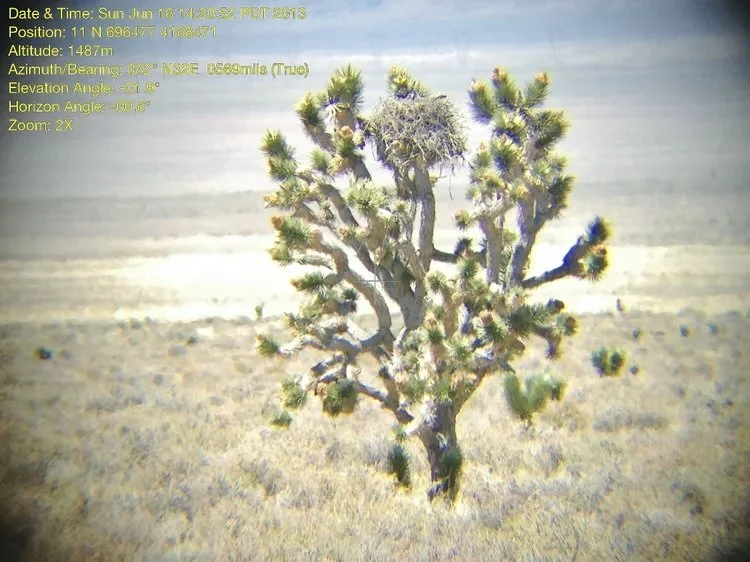
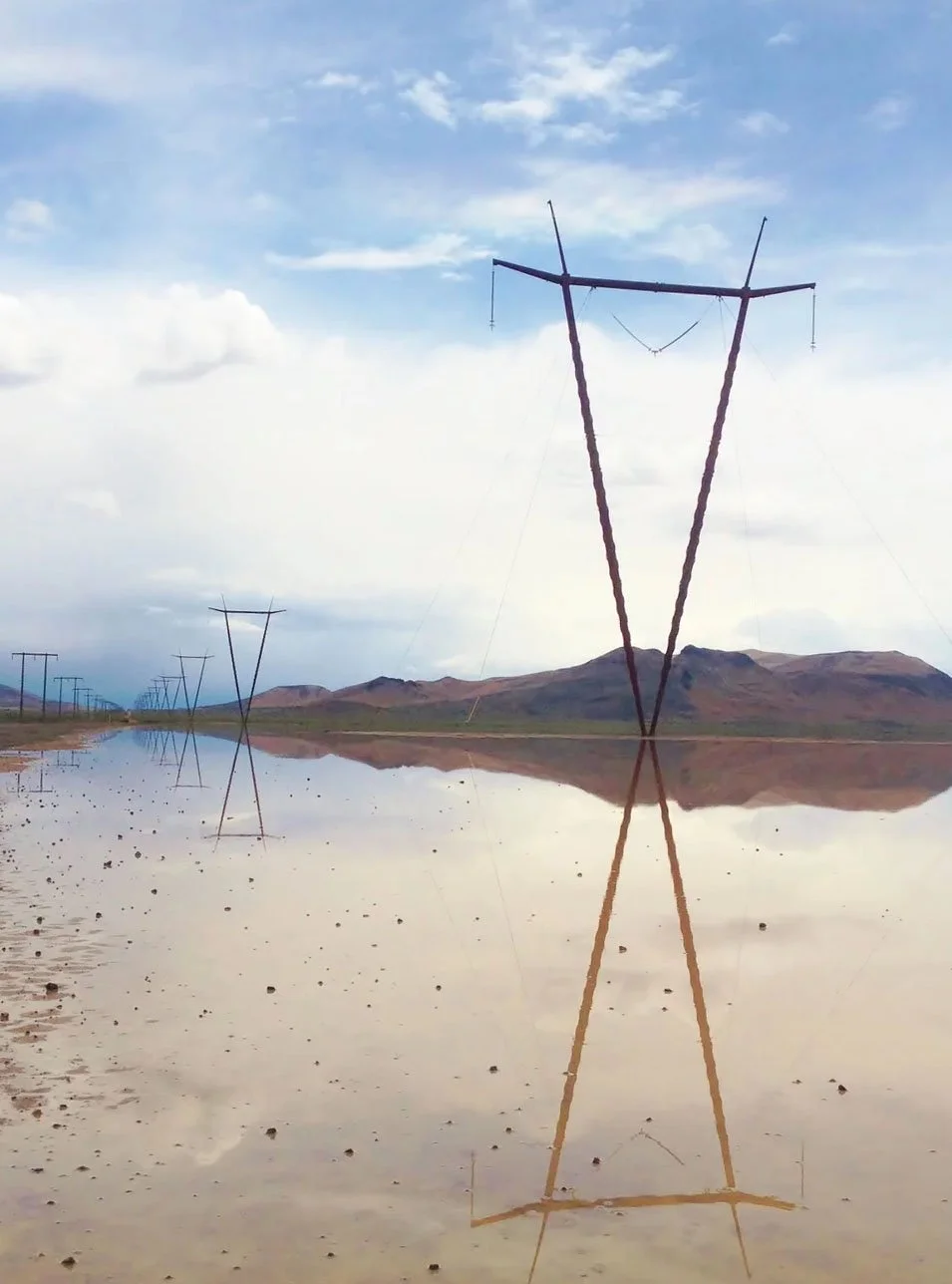
Avian concerns are especially relevant for electrical transmission lines because towers and antenna structures are also attractive nesting and perching substrate for ravens, raptors, and other native birds.
These birds are protected under the Migratory Bird Treaty Act and, where applicable, the Bald and Golden Eagle Protection Act, and these species can factor into siting and construction timing decisions, particularly in the open desert, where a tower may represent the only elevated structure for miles.
In the field on active jobs, environmental compliance monitors are subject to many of the same job hazards that threaten trades workers because the limited work areas often confine all parties and prevent optimal distancing from kinetic activities. Examples include overhead work with cranes and helicopters, energized lines under tension, pressurized pipes, explosive gases, and limited mobility amidst multiple machines operating in a constrained ROW.
Agency-authorized monitors, with years of region and industry-specific experience, can be invaluable team members that contribute to job site safety and assure project momentum is not interrupted by the presence of unexpected biological resource challenges.
See More Sectors
-
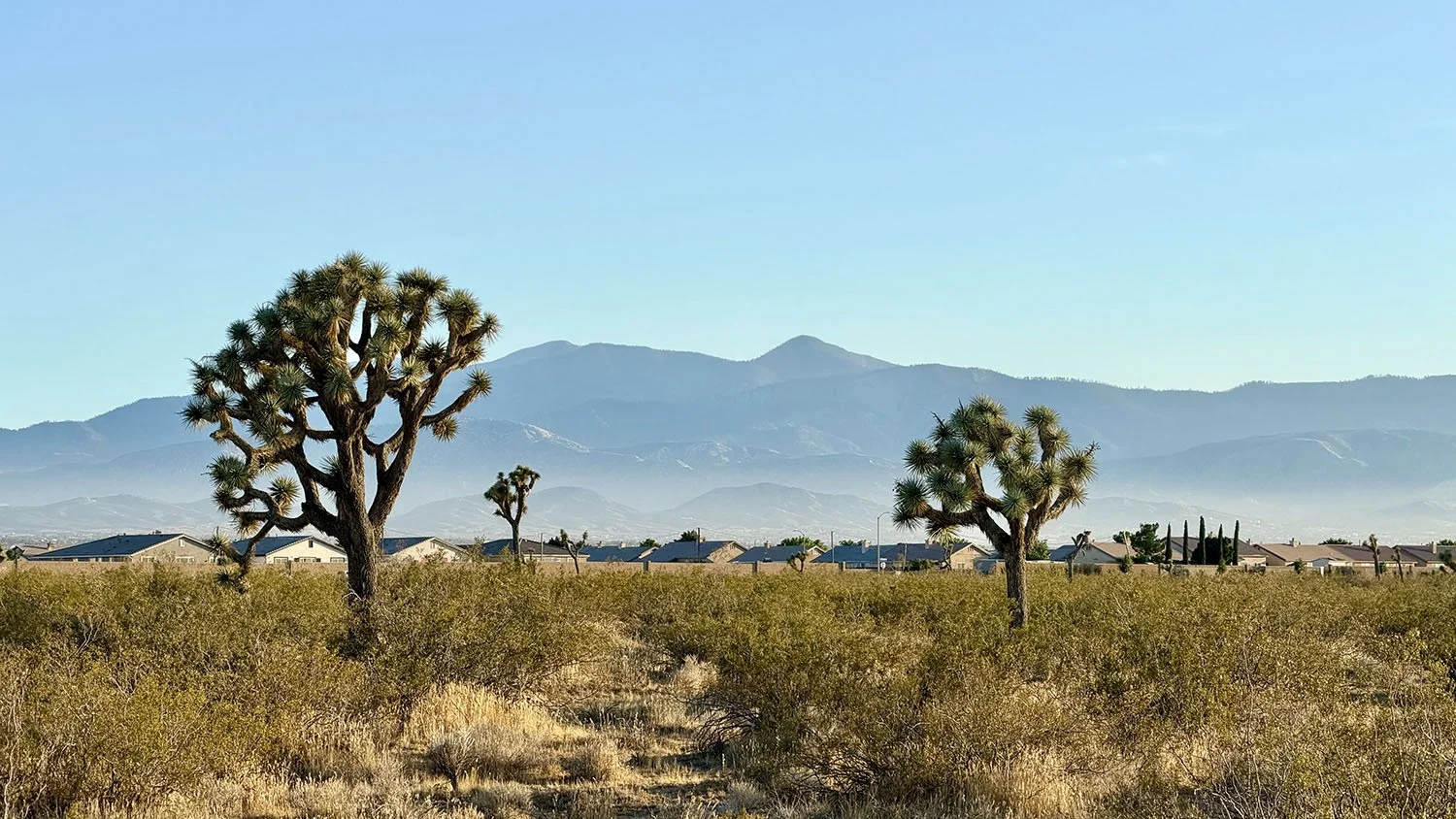
![A desert landscape with Joshua trees, low shrubs, and houses in the background, with mountains under a clear blue sky.]()
Private Residential + Small Business
-
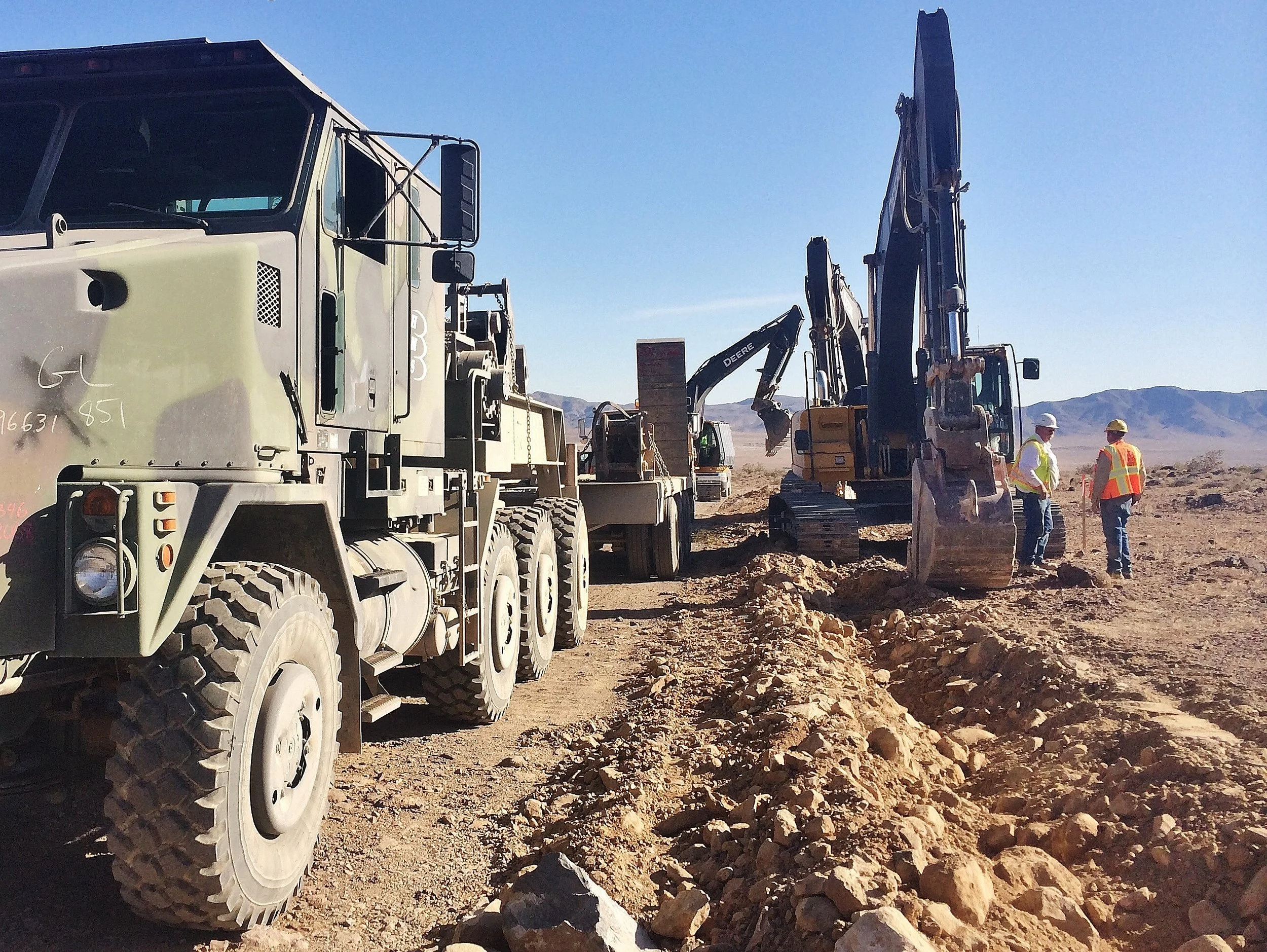
![Construction site with a large military-style truck and excavators, two workers wearing hard hats and safety vests, and mountains in the background under a clear blue sky.]()
Federal Lands Management + Department of Defense Infrastructure
-
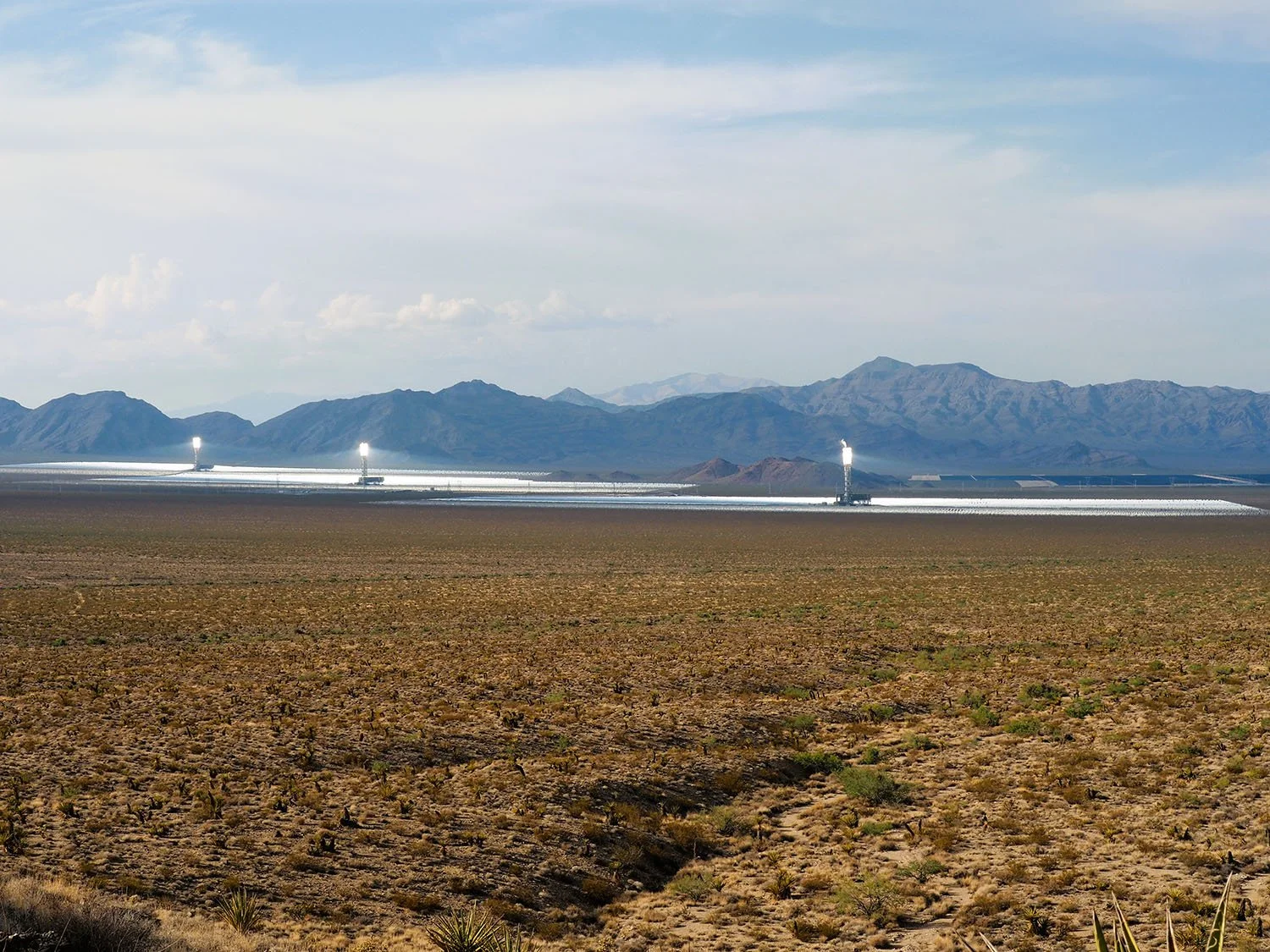
![Solar power plants with reflective mirrors situated in a desert landscape, with mountains in the background under a partly cloudy sky.]()
Utilities: Energy Generation Facilities
-
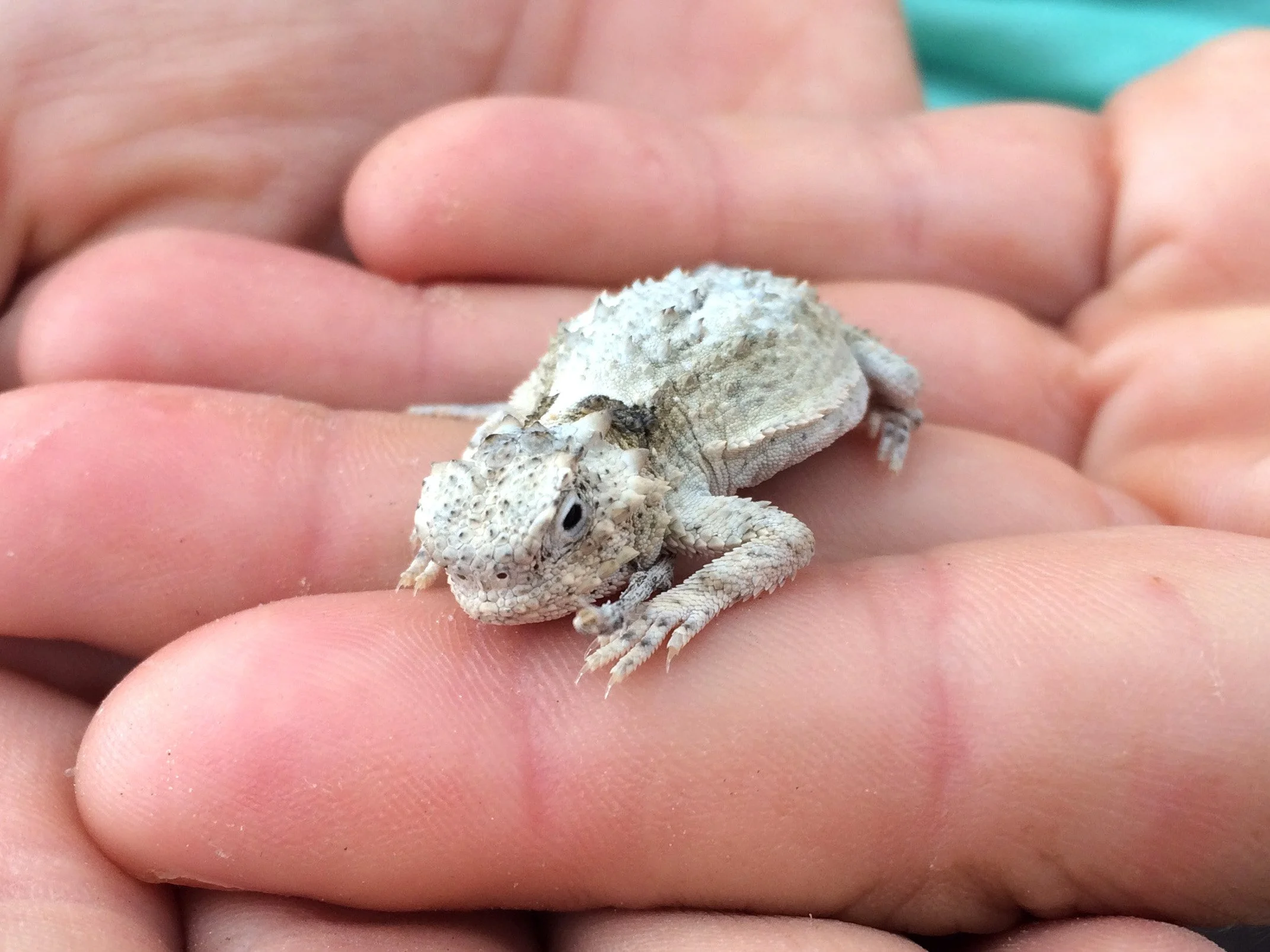
![A small, white, textured gecko sitting on a person's fingers.]()
Biological Research + Conservation Projects
-
![Construction vehicle working on a dirt road in a dry desert landscape with mountains in the background]()
Transportation Infrastructure
-
![Construction workers in safety vests and helmets working on a pipeline in a desert landscape with mountains in the background, using heavy machinery.]()
Telecommunications Infrastructure