Biological Research + Conservation Projects
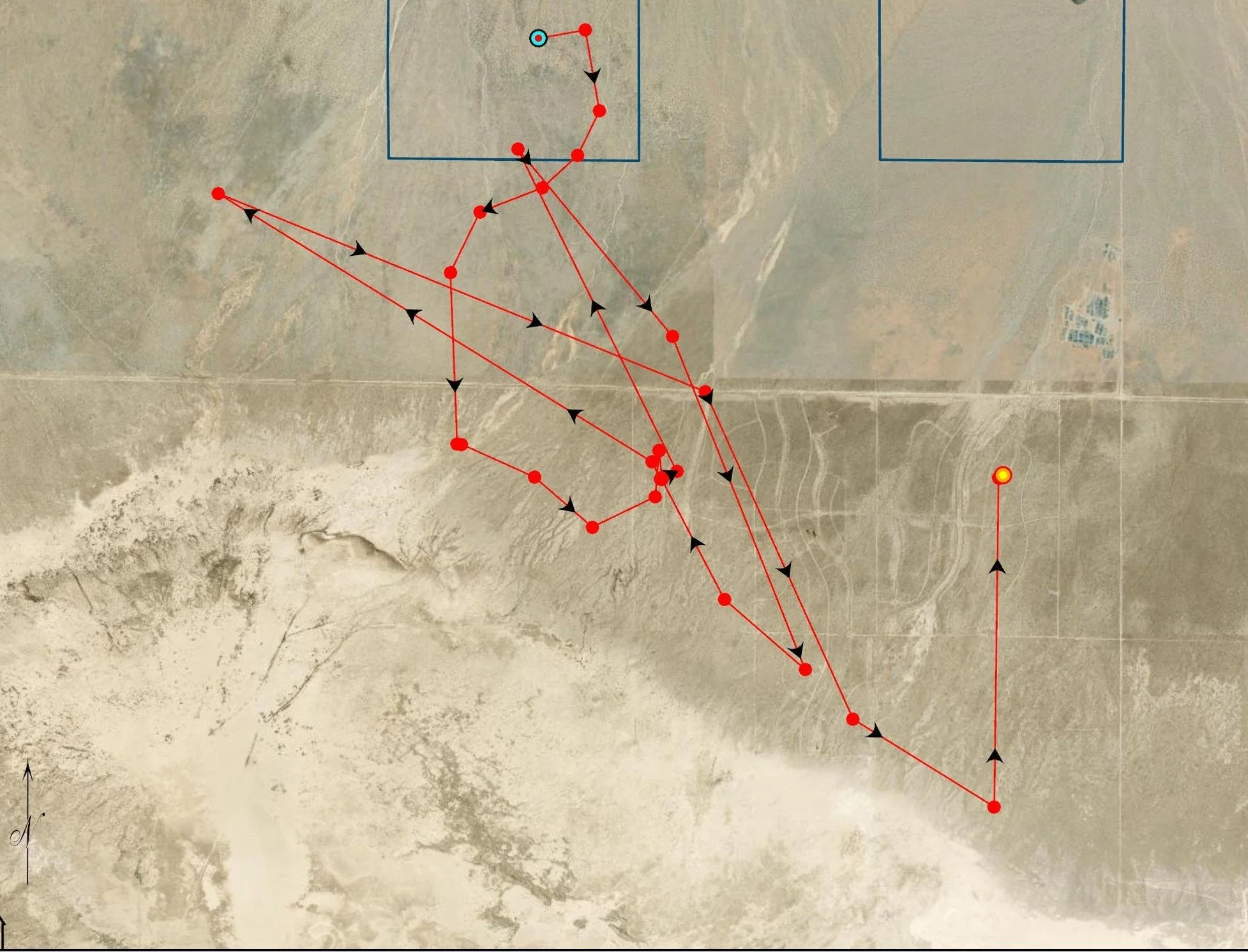
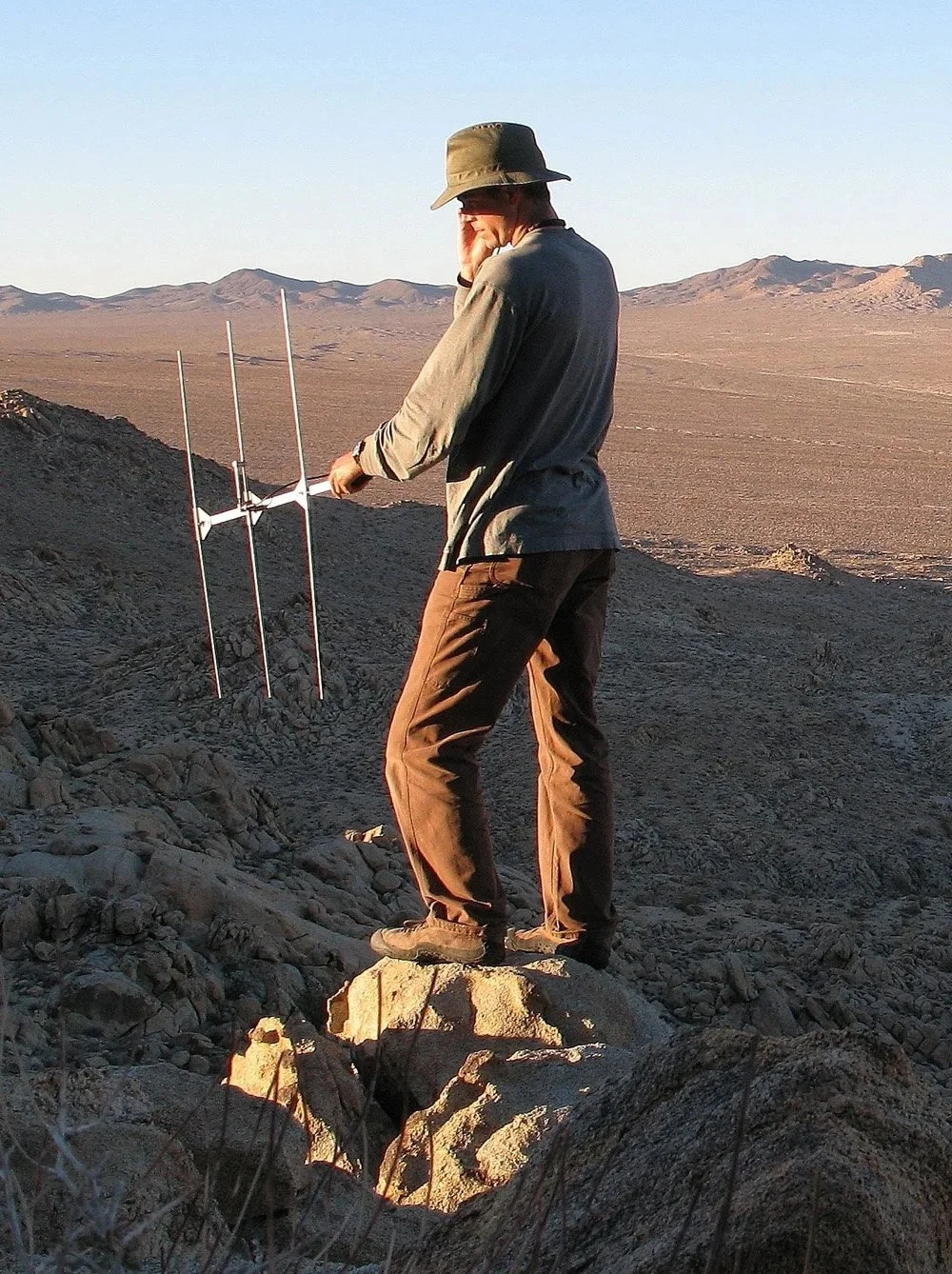
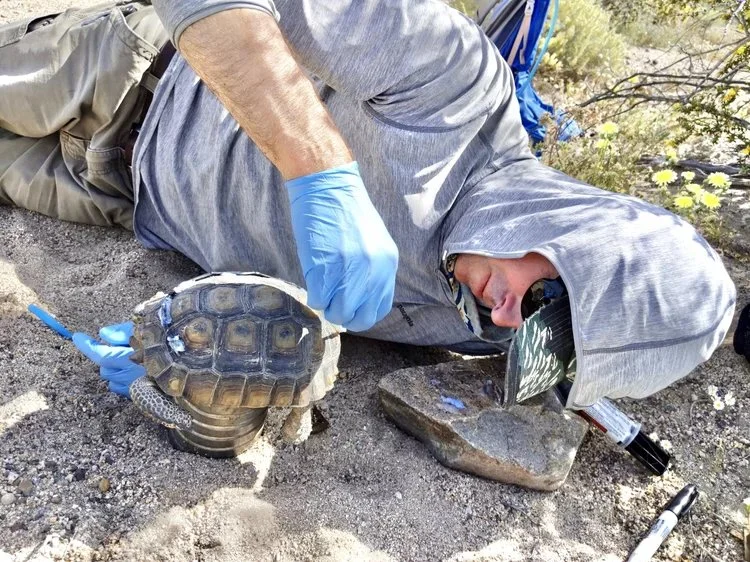
Many large infrastructure projects are required to perform some kind of monitoring and mitigation study to assess the effects of the permitted actions on the plants and animals that were impacted. For example, permitting frequently outlines the need for follow-on monitoring of desert tortoises after their translocation from a solar site onto a mitigation parcel under a conservation easement.
The types of questions that such studies might seek to answer include:
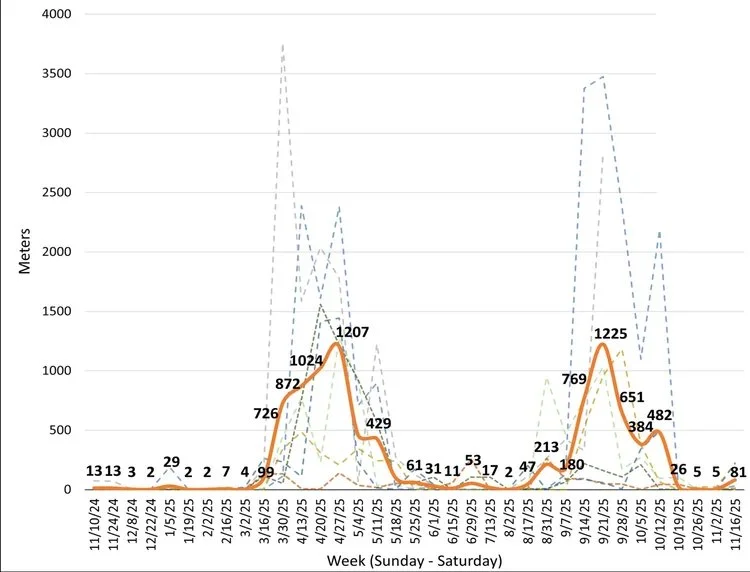
What are the movement patterns of translocated tortoises; daily, weekly, seasonally? Are these patterns any different from those of the surrounding, native tortoises?
What is the mortality rate among translocated tortoises? Does this differ statistically from surrounding baseline mortality rates?
What are the most common causes of mortality among translocated tortoises? Does this differ in kind from the surrounding baseline?
How is the health of the tortoises in the area? Translocated vs. Resident vs. Control
Do translocated tortoises breed successfully with each other? With existing residents?
How many months does it take for translocated tortoises to “settle down” into a predictable home range? How does this home range compare to existing residents and baseline measures?
Similar studies are often prescribed in permitting for large federal lands management projects as well, with data collection timelines of several years or more.
Other research projects are funded through non-profit entities on behalf of conservation coalitions. These can be ongoing mitigation actions such as invasive species management, native habitat enhancement, and long-term monitoring of ecosystem health. An example of such funding is the National Fish and Wildlife Foundation (NFWF) Desert Tortoise Recovery Partnership, which is funded jointly by Department of Defense installations, the USFWS, BLM, and U.S. Army Corps, and the NFWF Raven Studies Program, in consultation with the Renewable Energy Action Team (REAT) — California Fish and Wildlife, the California Energy Commission (CEC), BLM, and USFWS — with money originating from DoD and mitigation fees from renewable energy expansion in desert ecosystems.
See More Sectors
-
![Desert landscape with Joshua trees and bushes, northern California mountains in the background, clear blue sky.]()
Private Residential + Small Business
-
![Construction site with heavy machinery, including a large truck and excavators, and workers wearing safety vests and helmets, on a dirt terrain with mountains in the background.]()
Federal Lands Management + Department of Defense Infrastructure
-
![A desert landscape with mountains in the background and white solar power towers in the mid-ground.]()
Utilities: Energy Generation Facilities
-
![Construction equipment working on a dry, desert landscape with power lines and hills in the background, dust rising from the ground.]()
Utilities: Transmission Lines
-
![A desert landscape with a road and a bulldozer in the foreground. Mountains stretch into the horizon under a clear blue sky.]()
Transportation Infrastructure
-
![Construction workers in safety vests and helmets working outdoors with large machinery, including a bulldozer, in a desert landscape under a blue sky.]()
Telecommunications Infrastructure